
Cell functional study platform

Cell functional study platform

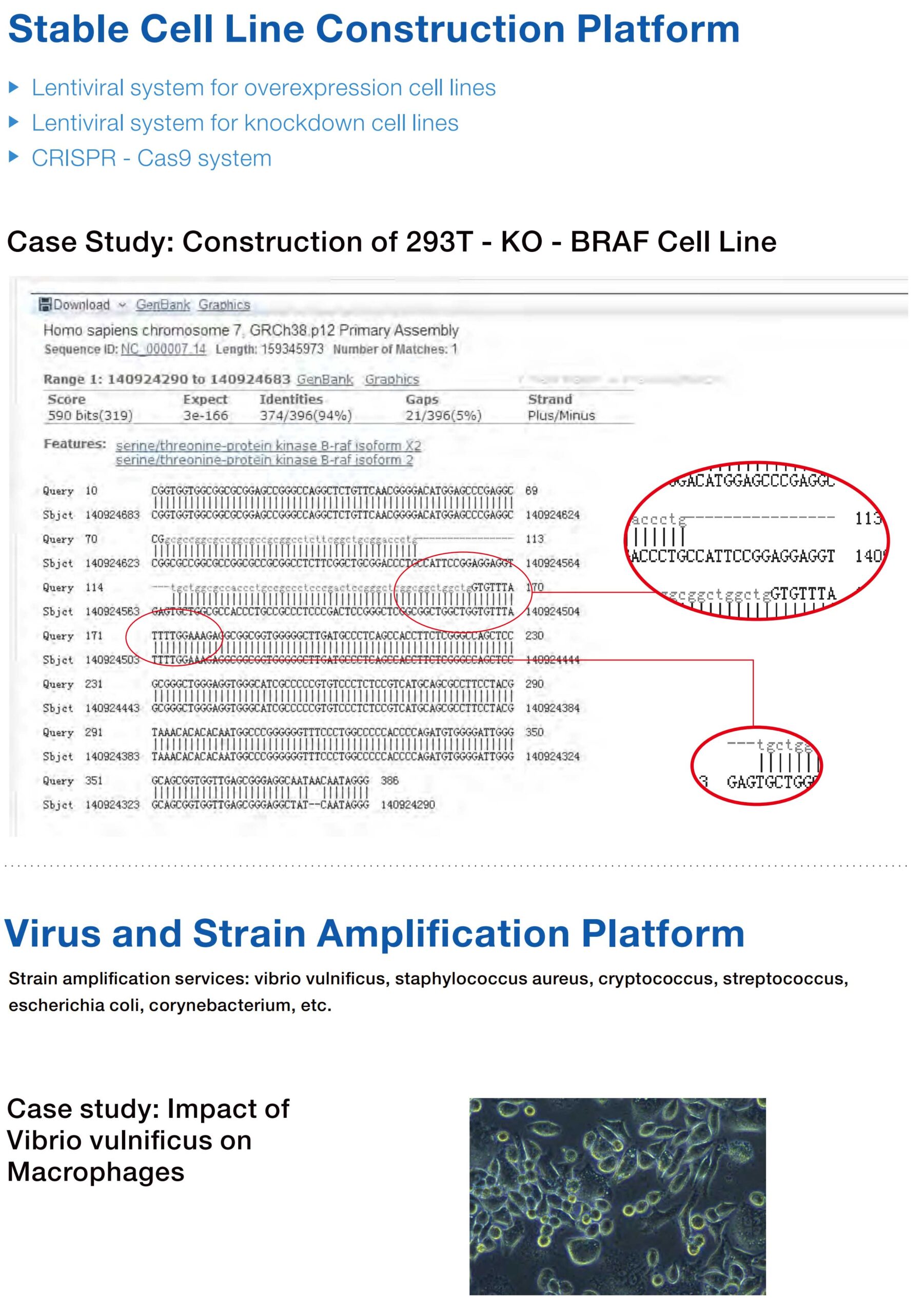
Primary cell lines derived from clinical tumor samples have the characteristics of easy cultivation, stable passaging, and the ability to conduct functional studies. They also retain the initial DNA genetic information and pathological features of tumors well, especially for rare disease specimens with special pathogenic mechanisms and genetic backgrounds. The effective construction of primary cell lines can greatly promote preclinical disease mechanism research and drug discovery efficiency.

Details

1、Accelerate New Drug R&D | Precision In Vitro Efficacy Evaluation System Based on Cell Functional Study Platform

2、Service Overview

In vitro drug efficacy research is a critical step in preclinical candidate drug screening. Traditional cell models fail to faithfully mimic the human microenvironment, leading to low clinical translation rates. Leveraging a standardized cell functional study platform, Jennio Bio adopts cutting-edge technologies such as high-content screening and 3D cell culture to build a highly biomimetic in vitro efficacy evaluation system, which significantly shortens drug R&D cycles and lowers clinical failure risks.

3、 Our Services

  1. High-Throughput Drug Screening Services
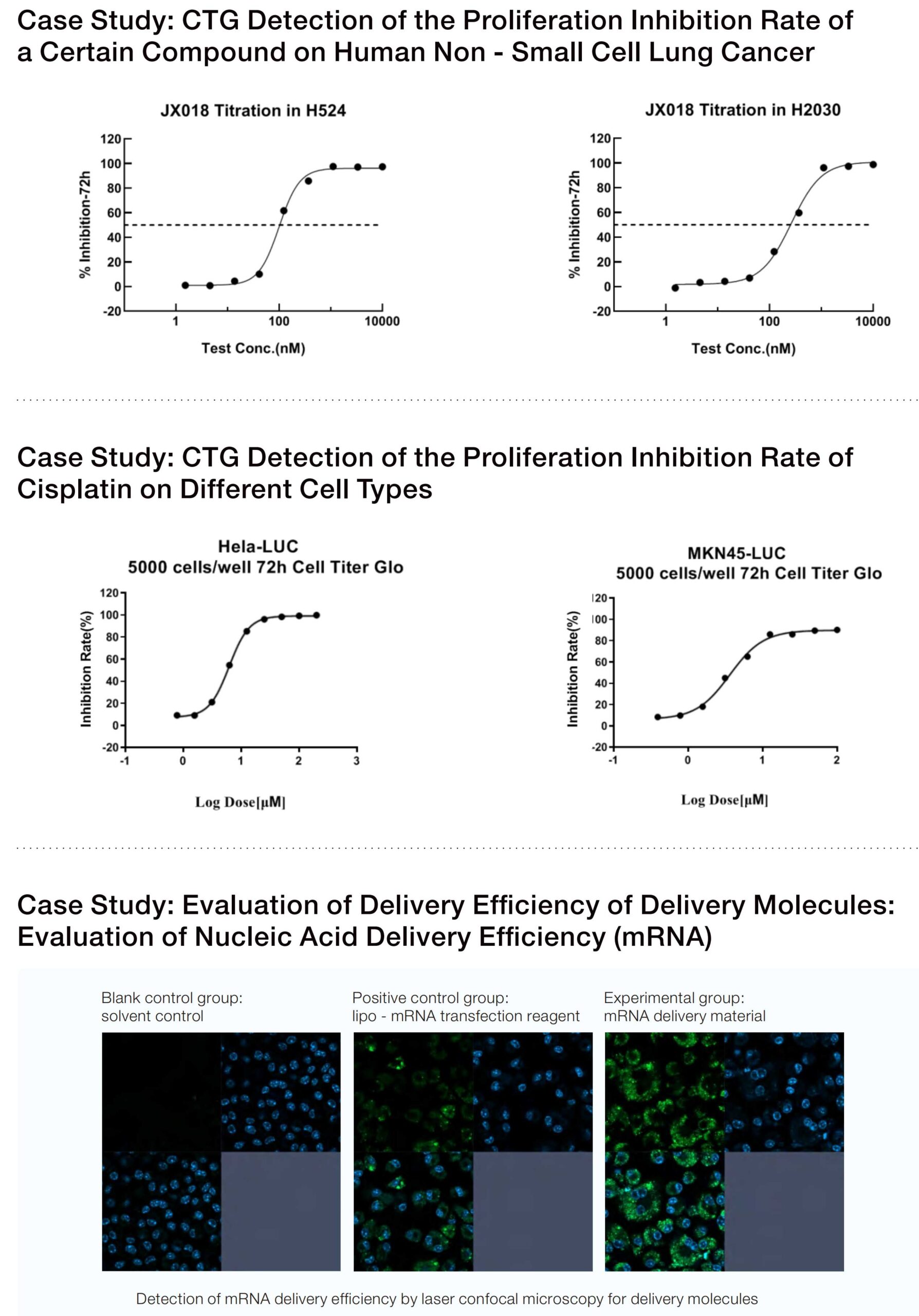
    • Small molecule compound screening: Proliferation inhibition activity of compounds against 60+ human tumor cell lines (lung, gastric, liver cancer, etc.) detected by CCK-8/MTT, with IC50 values and dose-response curve analysis provided.
    • Nucleic acid drug delivery efficiency evaluation: Delivery system efficiency assessed via mRNA transfection (e.g., LUC luminescence), supporting nanocarrier toxicity testing (CCK8/CTG).
  1. Cell Mechanism Research Platform
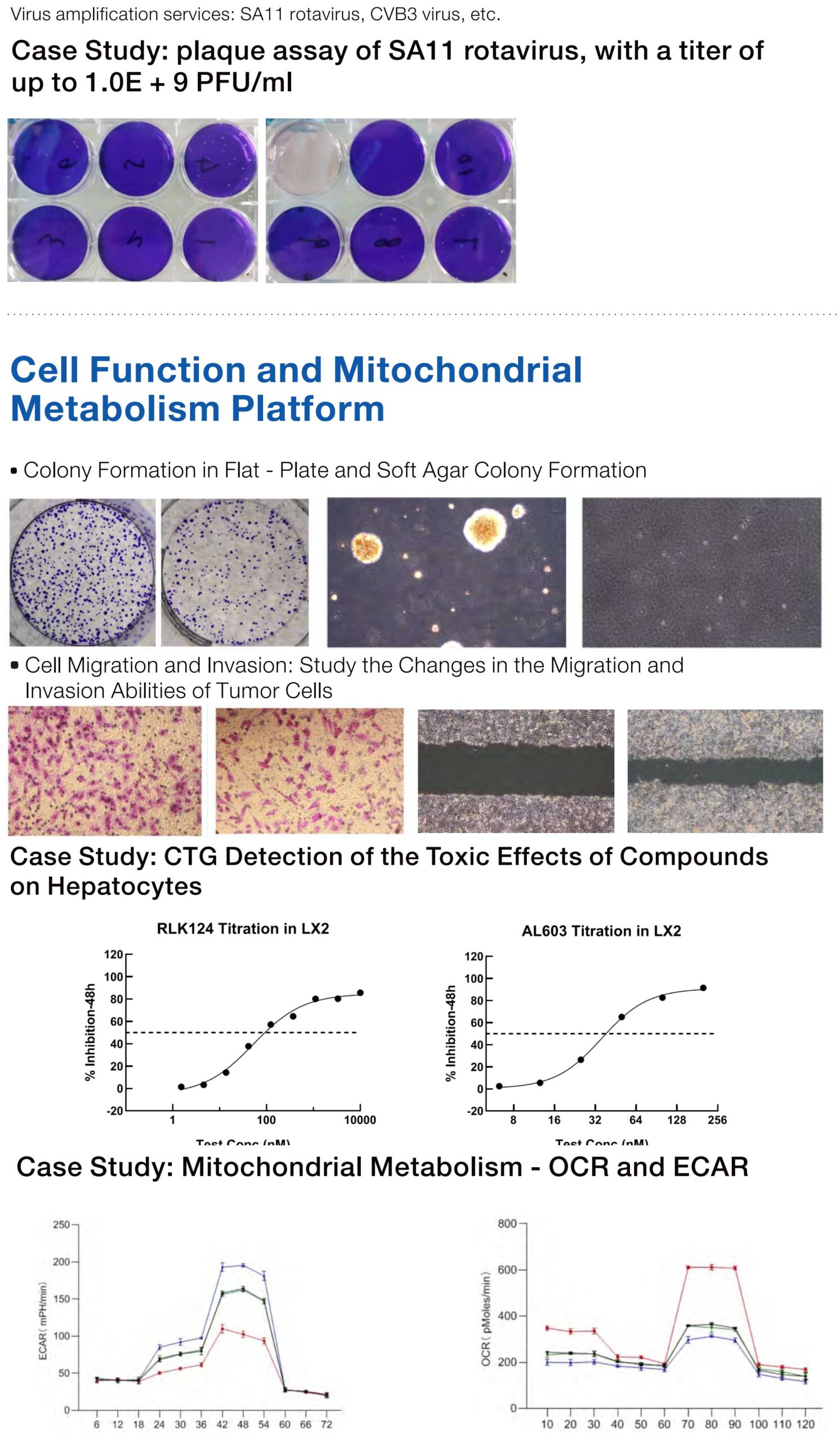
  • Cell behavioral analysis: Migration (Transwell), invasion (Matrigel), wound healing, colony formation (plate/soft agar).
  • Cell function detection: Apoptosis (Annexin V/PI), cell cycle (PI staining), reactive oxygen species (ROS), mitochondrial membrane potential (JC-1), OCR/ECAR, Mitosox Red/Green.
  • Stem cell function evaluation: Osteogenic/adipogenic induced differentiation, tube formation assay.
  • Molecular protein detection: qPCR, WB, IHC, IF.
  1. In Vitro Immunology Research Platform
  • Drug delivery evaluation: T cell detection.
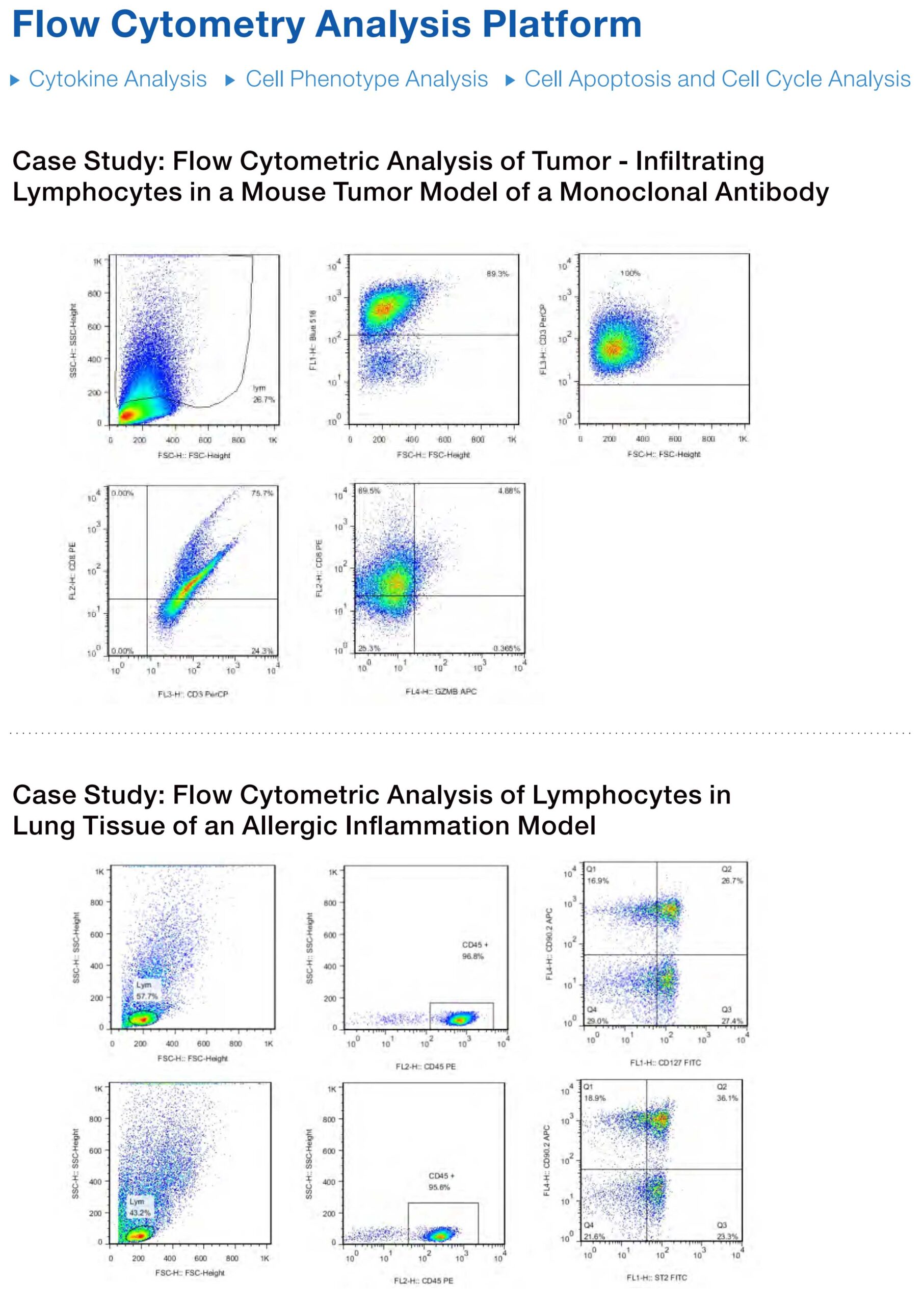
  • Immune activation/inhibition study: Multicolor flow cytometry for T cells.
  • Elispot assay: T cells, plasma cells, memory B cells / ELISA detection.
  • Cell killing function study: CD8+CD108A+.
  1. Specialized Model Services
  • Primary tumor cell drug sensitivity: 100+ Chinese human primary tumor cell bank, supporting personalized drug response testing.
  • 3D organoid rapid drug sensitivity: Liver, colorectal and other organoid models simulating in vivo microenvironment for high-throughput in vitro screening.
  • Immune co-culture model: Co-culture of tumor cells with immune cells (e.g., PBMC) to evaluate immunomodulatory drug effects.

4、Technology Platform & Advantages

Technology Platform

  • Automated high-throughput platform: Integrated with Molecular Devices microplate readers and automated liquid handling systems, processing 1000+ samples daily with 50% higher efficiency.
  • 3D organoid culture platform: Breaks through traditional 2D limitations, improving drug sensitivity prediction accuracy by 40%.
  • Live-cell dynamic monitoring: Incucyte real-time imaging system for continuous tracking of cell proliferation, apoptosis and other dynamic responses.

Infrastructure

  • Class 10,000 clean cell laboratory: GMP-compliant, equipped with BSL-2 safety facilities.
  • Cell resource library: 1000+ cell lines (including 300+ fluorescent tracer lines, drug-resistant lines and gene-edited tool cells).

Differentiated Advantages

  • Unique platform supporting combined primary cell and organoid services: One-stop solution from patient samples to efficacy evaluation.
  • Cross-platform data integration: Combined with in vivo PDX model data to build a multi-dimensional efficacy evaluation system.

5、Service Process

  1. Requirement communication (24h response): customize experimental protocol.
  2. Sample preparation: Cell recovery/subculture, with STR identification and mycoplasma detection report provided.
  3. Experiment execution: Real-time progress sharing via customer-exclusive platform (e.g., live-cell images, raw data).
  4. Data delivery: GLP-aligned standard report (including statistical analysis and methodological validation).

6、Quality Control & Compliance

  • Operating specifications: Comply with ISO/IEC 17025, regular calibration of key equipment (annual metrology certification).
  • Data traceability: Electronic experimental records, supporting double review and raw data retrieval.
  • Cell quality control: All cell lines validated by STR authentication, species verification and sterility testing.

7、Case Studies

Case 1: High-Throughput Screening of Antitumor Drugs

  • Client: Top 10 global pharmaceutical company
  • Requirement: Screen lead compounds across 15 lung cancer cell lines.
  • Outcome: 180 compounds tested within 7 days; 3 candidate molecules with IC50<10μM identified; dose-response curves predict clinical dosage.
  • Data support: [Dose-dependent inhibition curve attached]

Case 2: Antibody Immune Effect Evaluation
  • Client: European biotechnology company
  • Model: PBMC-tumor cell co-culture system.
  • Outcome: Accurate assessment of ADCC effect and cytokine release, predicting Phase II clinical efficacy (r=0.89).
  • Link: [View more cross-cancer cases]

8、Cooperation Advantages

  • Flexible customization: Supports full-cycle protocol adjustment from target validation to IND filing.
  • Efficient delivery: Standard project timeline 30% faster than industry average; urgent projects launched within 48h.
  • Cost optimization: Pre-deposit of 200,000 RMB enjoys 60% off management fee and 20% off cage fee.
  • Global compatibility: Bilingual Chinese-English reports conforming to FDA/EMA formatting requirements.

9、FAQ

Q: Do you support in vitro evaluation of immune checkpoint drugs (e.g., PD-1/PD-L1)?

A: Yes. We have established PD-L1 fluorescent reporter lines and immune co-culture models to detect antibody blocking effects and T cell activation.

Q: What is the culture cycle and success rate of organoids?

A: Standard cycle 4–6 weeks, success rate >85%, with imaging records of the culture process provided.


10、Laboratory Highlights

  • Automated high-throughput screening workstation (processing 1000+ samples daily)
  • 3D colorectal cancer organoids (brightfield/fluorescent dual-channel imaging)
  • BSL-2 cell laboratory (Class 10,000 clean environment)

11、Contact Us

  • Technical inquiry: 3691125803@qq.com
  • Tel: +86 18802035152
  • [Submit inquiry form, 24h response]
  • [Download Cell Functional Study Platform Service Manual]

Listen to the voice of every customer

Share details of your inquiry, and we’ll contact you shortly.​

Contact us

Room 238, Building A, Guangzheng Science and Technology Park, No. 11 Nanyunwu Road, Huangpu District, Guangzhou, Guangdong Province, China

Business Cooperation

3691125803@qq.com

Mobile phone number/WeChat ID

+86 18802035152