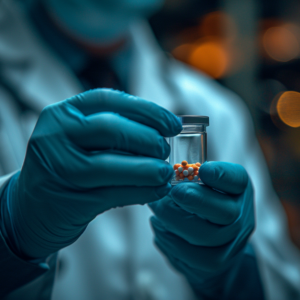

In vitro drug efficacy research

In vitro drug efficacy research

Categories:

In vitro pharmacological studies play a key role in drug development, directly influencing the fate of candidate drugs. It can rapidly screen candidate drugs, uncover drug mechanisms, evaluate drug toxicity, save time and costs, as well as guide follow-up research.
Jennio in vitro pharmacological research platform is stable, efficient, and reliable, with multiple functional features. It provides comprehensive services covering rich cell library resources, high-throughput screening, tool cell development and customization, as well as cellular functional studies. We can provide professional technical support and solutions based on the different research needs and objectives of our customers.

Details

Why In Vitro Drug Efficacy Evaluation Matters

In vitro pharmacology studies serve as the critical gateway in preclinical drug development. Before a candidate compound advances to costly in vivo studies or clinical trials, it must demonstrate meaningful biological activity at the cellular level. Well-designed in vitro efficacy evaluations enable pharmaceutical companies and research institutions to:

  • Identify lead compounds rapidly from large chemical libraries through systematic biological screening
  • Elucidate mechanisms of action (MOA) by characterizing how compounds interact with specific molecular targets and signaling pathways
  • Assess therapeutic windows by evaluating dose-response relationships and selectivity profiles across relevant cell models
  • Reduce late-stage attrition by filtering out ineffective or off-target compounds early, saving both time and R&D expenditure
  • Inform clinical translation by generating predictive efficacy data that guides dosing strategy and patient selection

At Jennio Biotech, we understand that the quality of your in vitro data directly shapes the trajectory of your drug development program. Our integrated platform combines extensive cell resources, advanced screening technologies, and deep expertise in cell biology to deliver reliable, reproducible, and regulatory-relevant efficacy data for programs ranging from oncology and immunotherapy to infectious diseases and rare genetic disorders.

Our Integrated In Vitro Pharmacology Platform

Jennio Biotech’s in vitro drug efficacy research platform is built on four interconnected pillars, each designed to address a specific stage of the drug discovery and evaluation workflow. Together, they provide a seamless pipeline from initial hit identification to in-depth mechanism characterization.

Service PillarCore CapabilityKey Applications
Cell BankExtensive repository of cell lines and primary cellsModel selection, drug sensitivity profiling, reproducibility
High-Throughput ScreeningAutomated, multi-parameter compound screeningLead identification, hit-to-lead optimization, selectivity assessment
Tool Cell Development & CustomizationGenetically engineered cell lines (CRISPR/Cas9, stable transfection)Target validation, reporter assays, isogenic disease modeling
Cell Functional Study PlatformMulti-parametric functional readouts (proliferation, apoptosis, migration, signaling)MOA elucidation, phenotypic characterization, biomarker discovery

Explore Our In Vitro Efficacy Services

Click on each service below to learn more about our capabilities and how we can support your specific research needs.

Cell Bank — Comprehensive Cell Resources for Drug Discovery

A robust cell model is the foundation of any credible in vitro efficacy study. Jennio Biotech maintains a well-characterized cell bank comprising hundreds of cell lines and primary cells, spanning a wide range of tissue origins, cancer types, and disease-relevant genetic backgrounds.

Our cell bank includes:

  • Human cancer cell lines — covering major solid tumors (lung, breast, colorectal, liver, gastric, pancreatic) and hematological malignancies
  • Animal cell lines — murine, rat, and other species models for cross-species translational studies
  • Asian primary tumor cell lines — patient-derived tumor cells reflecting the genetic diversity of Asian populations, a critical resource for oncology programs targeting regional markets
  • Disease-specific and target-overexpressing models — including EGFR, HER2, KRAS, BRAF, PD-1/PD-L1, and other clinically relevant variants

All cell lines undergo rigorous authentication (STR profiling) and routine mycoplasma testing to ensure data integrity and experimental reproducibility. Our team can also source, culture, and bank rare or client-specified cell models on request. Browse Our Cell Bank Catalog →

In Vitro High-Throughput Candidate Drug Screening

Identifying the right compound from thousands of candidates demands speed, precision, and scale. Jennio Biotech’s high-throughput screening (HTS) platform enables rapid, multi-parametric evaluation of compound libraries against carefully curated cell panels tailored to your therapeutic area.

Screening capabilities include:

  • Blind Box Cell Panels — discover unexpected sensitivities by screening compounds against diverse, blinded cell collections for serendipitous hit identification
  • Cancer Type-Based Panels — focused panels grouped by tumor type (e.g., lung cancer panel, GI cancer panel) for tissue-specific efficacy profiling
  • Target-Based Panels — cell panels stratified by molecular marker expression (e.g., EGFR-mutant, HER2-amplified) for precision oncology applications
  • Custom Cell Panels — personalized panels designed to match your specific drug targets, disease models, or competitive benchmarking requirements

Our screening infrastructure supports multi-dose, multi-time-point experimental designs with standardized readouts including cell viability (MTT/CCK-8), apoptosis (Annexin V/PI), colony formation, and real-time cell analysis. Data are delivered in comprehensive reports with IC50 values, selectivity indices, and statistical analysis. Explore Screening Options →

Tool Cell Development & Customization

Standard cell models often fall short when studying specific molecular targets, resistance mechanisms, or disease-associated mutations. Jennio Biotech’s tool cell development service creates customized cell lines engineered to meet your exact research specifications.

Our genetic engineering services encompass:

  • CRISPR/Cas9 gene-edited cell lines — precise knockout, knock-in, and point mutation models for functional genomics and target validation studies
  • Disease-related gene stable strain construction — stable overexpression or knockdown of disease-relevant genes to recapitulate pathological phenotypes in vitro
  • Reporter cell lines — cells engineered with luciferase, GFP, or other reporter systems driven by pathway-specific promoters for real-time monitoring of signaling activation
  • Primary cell lines from clinical tumor samples — patient-derived primary cultures that preserve the heterogeneity and drug response characteristics of original tumors, ideal for ex vivo drug sensitivity testing

Each engineered cell line undergoes comprehensive validation including genomic confirmation, functional characterization, and stability testing over multiple passages. We provide detailed documentation and quality certificates with every deliverable. Request Custom Cell Line →

Cell Functional Study Platform

Understanding how a compound affects cellular behavior is as important as knowing whether it works. Jennio Biotech’s cell functional study platform provides a comprehensive suite of assays to dissect the phenotypic and mechanistic effects of your drug candidates.

Functional assay categories include:

  • Cell proliferation assays — MTT, CCK-8, EdU incorporation, and real-time cell analysis (RTCA) for quantifying growth inhibition and cytostatic effects
  • Cell apoptosis and cell cycle analysis — flow cytometry-based Annexin V/PI staining, caspase activity assays, and PI-based cell cycle profiling
  • Cell migration and invasion assays — transwell (Boyden chamber), wound healing (scratch), and 3D invasion models for evaluating anti-metastatic potential
  • Signal pathway analysis — Western blot, phospho-protein arrays, and reporter gene assays for mapping drug-induced signaling events
  • Cell differentiation and stemness studies — for programs targeting cell fate decisions in cancer stem cells, immune cells, or regenerative medicine

Our experienced scientists work closely with you to design assay cascades that align with your program’s stage and decision criteria, ensuring that every experiment generates actionable insights for your drug development team. View Functional Assay Capabilities →

Why Partner with Jennio Biotech for In Vitro Efficacy Studies

Selecting the right CRO partner for your in vitro pharmacology program requires more than access to equipment — it demands scientific expertise, flexible experimental design, and a commitment to data quality. Here is what sets Jennio Biotech apart:

1. Scientific Expertise Across Therapeutic Areas

Our team of PhD-level scientists and experienced cell biologists brings deep domain knowledge in oncology, immunology, antiviral research, and rare disease modeling. We don’t just run assays — we actively contribute to experimental design, data interpretation, and strategic decision-making.

2. Comprehensive, Integrated Workflow

By offering all four pillars — cell banking, HTS, tool cell engineering, and functional assays — under one roof, we eliminate the fragmentation and communication overhead of working with multiple vendors. Your project transitions seamlessly from model selection through screening to mechanism characterization.

3. Asian Primary Tumor Cell Resources

Our unique collection of Asian primary tumor cell lines provides a critical advantage for programs targeting patient populations in China and the broader Asia-Pacific region, where genetic backgrounds and drug response patterns can differ significantly from Western cohorts.

4. Rigorous Quality Control & Data Integrity

Every cell line in our bank is authenticated and mycoplasma-free. All experiments include appropriate controls, replicate validation, and statistical analysis. We follow standardized SOPs and provide full experimental records for regulatory documentation support.

5. Responsive, Collaborative Service Model

We assign dedicated project managers to each engagement, ensuring rapid communication, flexible protocol adjustments, and on-time delivery. Our 24-hour inquiry response policy means you never wait for critical answers.

How We Work: Typical In Vitro Efficacy Study Workflow

Every project at Jennio Biotech follows a structured yet flexible process designed to maximize efficiency and scientific rigor:

PhaseActivitiesDeliverables
1. Consultation & Model SelectionUnderstand research objectives; review target biology; select optimal cell models from our cell bank or client-specified sourcesProject proposal with cell model recommendation, experimental design outline, and timeline estimate
2. Assay Development & OptimizationEstablish assay conditions (cell density, incubation time, readout method); validate positive/negative controls; determine Z’ factorValidated assay protocol with QC parameters (signal-to-background ratio, Z’ factor ≥ 0.5)
3. Compound Screening / TestingExecute multi-dose screening or focused testing; collect primary and secondary readouts; perform replicate experimentsRaw data, dose-response curves, IC50/EC50 values, and preliminary hit selection
4. Mechanism CharacterizationConduct follow-up functional assays (apoptosis, migration, signaling); perform rescue or combination studies as neededComprehensive mechanism-of-action data package with statistical analysis
5. Data Analysis & ReportingCompile all data; perform statistical analysis; generate figures and tables; prepare final study reportComplete study report with methodology, results, discussion, and recommendations for next steps

Frequently Asked Questions

What types of cell lines are available in your cell bank?
Our cell bank houses a comprehensive collection including human cancer cell lines (covering major solid tumors and hematological malignancies), animal cell lines (murine, rat, and other species), and Asian primary tumor cell lines derived from patient samples. We also maintain disease-specific models with clinically relevant mutations (e.g., EGFR, KRAS, HER2, BRAF). If you need a specific cell line not in our current inventory, we can source and bank it for your project.

What is the minimum number of compounds for high-throughput screening?
Our HTS platform is flexible and can accommodate projects of varying scales. While traditional high-throughput screening typically involves thousands to tens of thousands of compounds, we also support focused screening of smaller libraries (as few as 50–100 compounds) using our automated liquid handling and detection systems. We can recommend the most appropriate panel format and scale based on your program’s stage and budget.

How long does it take to complete a typical in vitro efficacy study?
Timelines vary depending on project complexity. A standard single-agent dose-response study using established cell lines typically requires 2–4 weeks from assay validation to final report. Custom tool cell development (CRISPR/Cas9 editing or stable line construction) may require 6–12 weeks depending on the engineering complexity. High-throughput screening campaigns of 1,000+ compounds generally take 4–8 weeks. We provide detailed timeline estimates during the project consultation phase.

Do you provide services for non-oncology therapeutic areas?
Yes. While oncology is a major focus area, our platform supports in vitro efficacy studies across multiple therapeutic areas including autoimmune/inflammatory diseases, antiviral drug development, metabolic disorders, and rare genetic diseases. Our cell bank includes relevant non-cancer cell models, and our engineering capabilities allow us to create disease-specific models for diverse therapeutic programs.

Can you help design the experimental plan for our specific drug candidate?
Absolutely. Our scientific team will work closely with you to design a tailored experimental plan based on your drug’s mechanism of action, target indication, and development stage. This includes cell model selection, assay cascade design, dosing strategy, control selection, and endpoint definition. We believe that thoughtful experimental design is the foundation of high-quality efficacy data, and we invest significant time in this phase before any wet-lab work begins.

Ready to accelerate your drug discovery program? Contact our scientific team today to discuss your in vitro efficacy research needs. We’ll respond within 24 hours with a tailored project proposal.
Email: 3691125803@qq.com | Phone/WeChat: +86 18802035152

Listen to the voice of every customer

Share details of your inquiry, and we’ll contact you shortly.​

Contact us

Room 238, Building A, Guangzheng Science and Technology Park, No. 11 Nanyunwu Road, Huangpu District, Guangzhou, Guangdong Province, China

Business Cooperation

3691125803@qq.com

Mobile phone number/WeChat ID

+86 18802035152