Human cell lines

Human cell lines

Categories:

The human cell lines in our cell bank include various types, covering a wide range of tissues and organ sources. They are widely used in biomedical research, drug development, and exploration of treatment methods.
Whether you need to conduct basic cell biology research or find specific cell types for particular experiments, we guarantee the purity, stability, and consistency of cells to the highest standards to ensure that you obtain reproducible and reliable experimental results.
At the same time, our team has rich experience and professional knowledge to provide personalized support and advice. We can customize the best cell solutions for you based on your specific needs.

Details

1、Overcoming the In Vitro Prediction Gap | Precision Screening Based on Human Cell Lines Accelerates Drug Efficacy Validation

Traditional 2D cell models fail to simulate the human microenvironment, leading to a disconnect between preclinical data and clinical outcomes. Jennio Bio provides a customized in vitro drug efficacy platform based on standardized human cell lines, which significantly improves the accuracy of drug response prediction and shortens the R&D cycle by more than 30%.
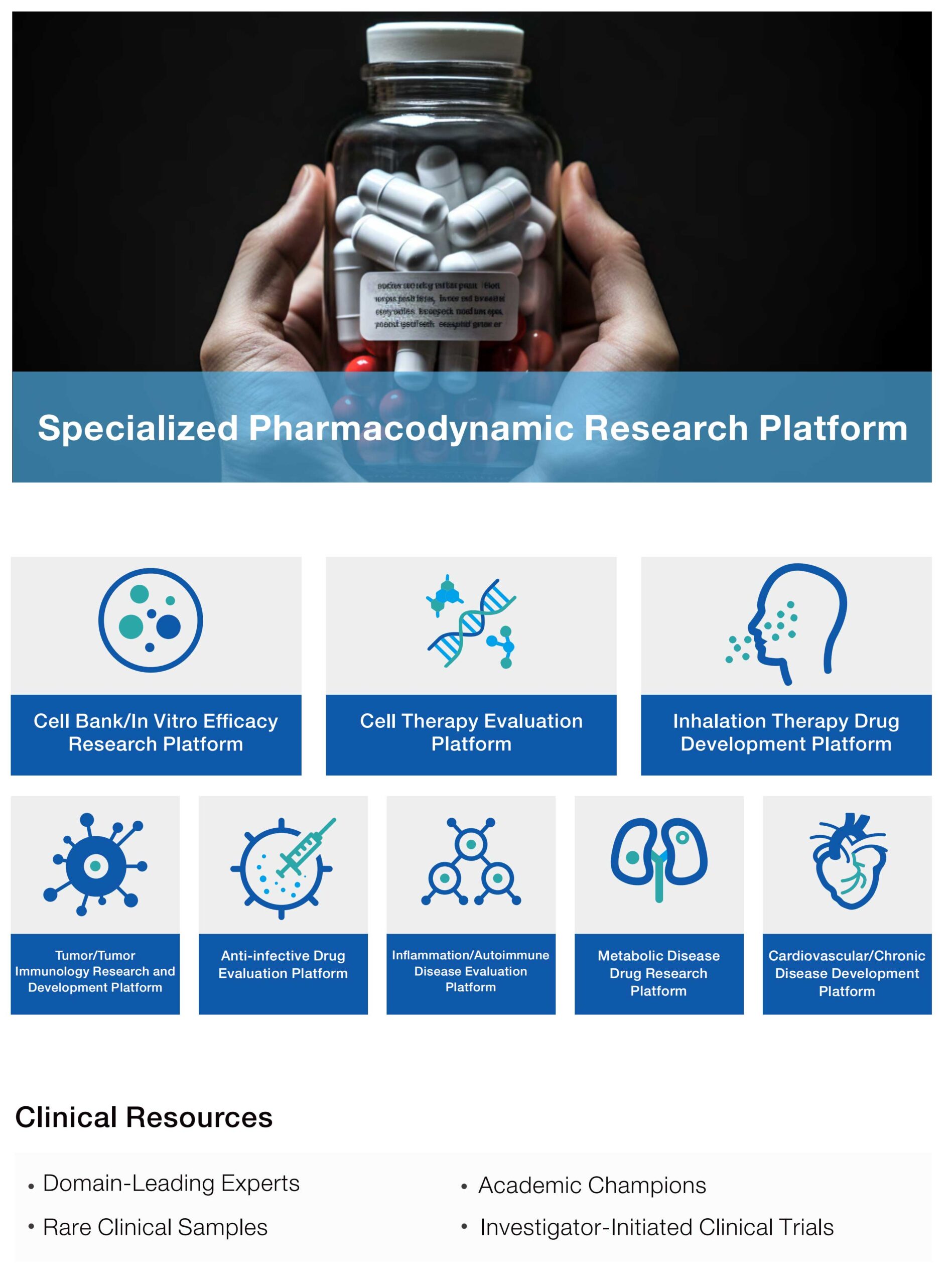
2、Service Overview

In drug R&D, in vitro human cell line models serve as the first gate for evaluating the efficacy of candidate compounds. However, the industry is generally faced with two major challenges:

  1. Model Limitations: Commercial cell lines have a single genetic background and cannot reflect patient heterogeneity, resulting in misjudgment of drug efficacy.
  2. Low Data Conversion Rate: Only 20% of in vitro positive results can be reproduced in in vivo validation, increasing R&D costs and failure risks.

Jennio Bio builds a highly predictive in vitro drug efficacy model through a clinical-grade human cell bank and functional verification platform, supporting pharmaceutical companies accurately identify candidate drugs and reduce the elimination rate in Phase I clinical trials.

3、Our Services

End-to-end solutions tailored to application scenarios across drug development stages:

  1. Early Screening: High-Throughput Activity Evaluation
  • Targeted Drug Sensitivity Analysis
    • Covering more than 15 cancer types such as lung cancer, liver cancer, and breast cancer (e.g., HCC1937, Hep3B)
    • Detection indicators: WB target detection, IC50 value calculation, proliferation inhibition rate (MTT/CTG), apoptosis induction (Annexin V/PI)
  • Drug Resistance Mechanism Research
    • Customized construction of EGFR-TKI-resistant cell lines (e.g., PC-9/ER), combined with CRISPR technology to verify target pathways
  1. Mechanism Verification: Functional Phenotypic Analysis
    • Migration/invasion ability: Transwell® for quantitative assessment of tumor metastasis potential (Matrigel matrix simulates the microenvironment)
    • Angiogenesis evaluation: Endothelial cell tube formation assay (HUVEC model)
    • Immunomodulatory effect: Co-culture system (tumor cells + PBMC) to detect the impact of PD-1/CTLA-4 antibodies on T cell activation
  1. Primary Cell Transformation Research

Patient-Derived Tumor Cells (PDTC)

  • Isolated and cultured from surgical samples, retaining the original tumor characteristics (STR identification)
  • Supporting personalized drug sensitivity testing (e.g., anti-tumor drug response profile of colorectal cancer)

4、Technology Platforms and Advantages

Cell Resource Bank

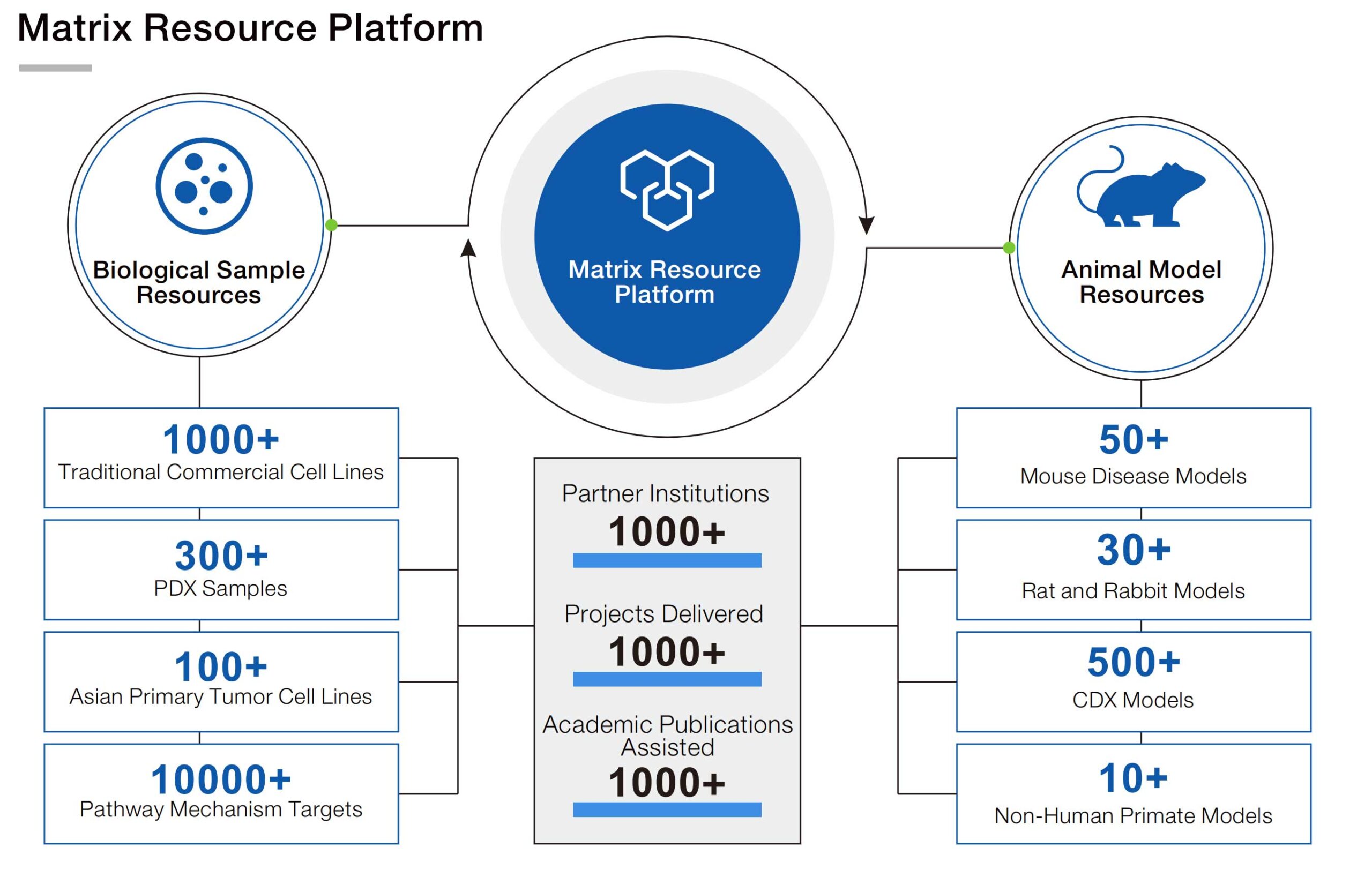
  • More than 1,000 human-derived cell lines (from ATCC/DSMZ, including over 300 fluorescent tracer lines)
  • Chinese primary tumor cell bank: 38 liver cancer strains, 42 colorectal cancer strains, etc., covering high-frequency mutations in the Asian population

Innovative Technology Platforms

  • CRISPR-Cas9 gene editing: Construction of KO/overexpression tool cells
  • 3D spheroid culture: Simulating the tumor microenvironment

Differentiated Advantages

  • The only integrated PDX-derived cells: In vivoand in vitro data linkage (e.g., PDX model drug efficacy → in vitro drug resistance mechanism tracing)
  • Automated high-throughput screening: 96-well plate compatible, processing more than 1,000 samples per day

5、Service Process

  1. Demand consultation: Response within 24 hours, customized experimental protocols (target/cell line/detection matrix)

2.Model Construction

  • STR identification of cell lines → QC release (mycoplasma/virus detection)
  • Gene editing verification (Sanger sequencing + WB)

3.Experiment Execution

  • Real-time data sharing
  • Recording of key milestones
  1. Deliverables
  • GLP-aligned standard reports (including raw data + statistical analysis)
  • Scalable to in vivovalidation (seamless connection with CDX/PDX models)

6、Quality Control and Compliance

International Standard Certifications

  • ISO 9001:2015 Quality Management System
  • BSL-2 Laboratory Safety Certification (CDC/NIH standards)

Data Integrity Assurance

  • Double-blind review mechanism (cross-validation by third-party institutions)
  • Electronic Lab Notebook (ELN) for full traceability

7、Case Studies

Case 1: In Vitro Screening of Lung Cancer Targeted Drugs

Requirement: Screen EGFR-T790M mutation-sensitive drugs in 10 lung cancer cell lines

Solutions:

  • WB confirmation of target expression
  • High-throughput CTG detection (8 concentration gradients, n=3)

Results:

  • Rapid in vitro screening of highly sensitive compounds
  • Consistency of in vivo validation > 90% (H1975 CDX model)

Lung Cancer Cell Drug Sensitivity Heatmap

View the complete case report >

8、Benefits of Partnership

  • Custom Flexibility:On-demand combination of cell lines/detection panels (e.g., “comprehensive screening of 81 lung cancer strains” or “in-depth mechanism verification of a single target”).
  • Efficiency Improvement: Standardized processes shorten the cycle: cell delivery ≤ 15 days, drug efficacy report ≤ 15 days (30% faster than the industry average).
  • Cost Control:Shared database avoids repetitive experiments (e.g., direct access to pre-validated data for HER2+ breast cancer).
  • Risk Aversion:Design of preclinical-clinical translation pathways (in vitro → PDX → toxicology → IND application support).

9、FAQ

Q1: Is the construction of rare mutant cell lines supported?

A: Yes! We have successfully constructed the FGFR2-fused cholangiocarcinoma cell line (ICC-1) and provide one-stop services for mutation verification and drug sensitivity analysis.

Q2: Can the data be used for FDA/EMA applications?

A: We support GLP-aligned standard reports that comply with the ICH S9 guidelines. We have helped 3 anti-cancer drug IND applications obtain approval.

10、Laboratory Highlights

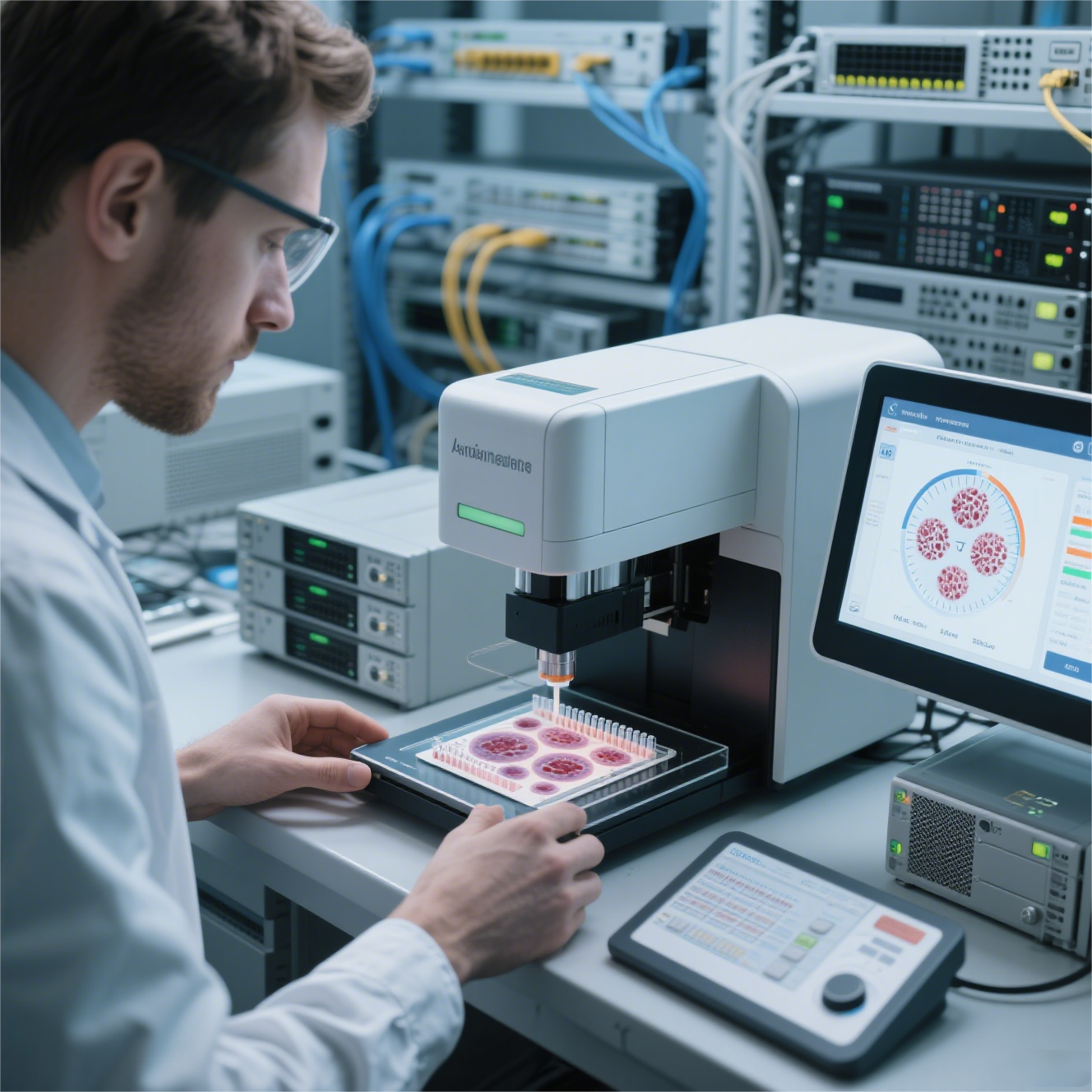
Automated High-Throughput Screening Platform

Core Facilities:

  • Hamilton STAR Automated Liquid Handling System (error < 1%)
  • High-content imaging analyzer (ImageXpress Micro, 40X dynamic tracking)

11、Contact Us

Consult Experts: 3691125803@qq.com | +86 18802035152

Listen to the voice of every customer

Share details of your inquiry, and we’ll contact you shortly.​

Contact us

Room 238, Building A, Guangzheng Science and Technology Park, No. 11 Nanyunwu Road, Huangpu District, Guangzhou, Guangdong Province, China

Business Cooperation

3691125803@qq.com

Mobile phone number/WeChat ID

+86 18802035152