mRNA is a naturally occurring molecule that carries the “blueprint” of human cells, capable of generating target proteins or antigens to activate the immune response in the body against various pathogens. With the rapid development of biotechnology and molecular medicine, introducing mRNA into the human body as a vaccine or therapeutic agent can produce almost all functional proteins. This represents the emergence of a precision medicine field with broad prospects in preventing and treating many refractory diseases. However, due to the inherent instability of mRNA, its delivery remains a significant challenge in current mRNA-based therapies.
Industry Pain Point and Value Proposition: Targeting core pain points in nanomedicine R&D such as low delivery efficacy and disconnection between in vitro and in vivo predictions, we provide highly precise and integrated delivery efficacy evaluation solutions to shorten the R&D cycle and reduce clinical failure risks.
2、Service Overview
Industry Pain Point:Molecular delivery efficacy research is a critical link in preclinical drug development. Traditional methods struggle to simulate the complex in vivo microenvironment, leading to a disconnect between in vitro data and in vivo efficacy and increasing R&D uncertainty.
Solutions: By integrating nanocarrier characterization, dynamic monitoring of cellular/in vivo absorption and release, and targeting validation, we establish a highly predictive evaluation system to provide pharmaceutical companies with end-to-end support from carrier design to in vivo efficacy translation.
3、Our Services
Nanocarrier Characterization
Particle Size/Zeta Potential/Stability: Quantify carrier homogeneity and stability via Dynamic Light Scattering (DLS) and Electron Microscopy (TEM/SEM) (e.g., Literature Case: Carrier particle size controlled at 50-100nm, PDI < 0.2).
Carrier-Drug Binding Optimization: Optimize the ratio of nucleic acids/small molecules to carriers through microfluidic technology, and verify an encapsulation efficiency > 95% via gel electrophoresis and RiboGreen assay.
Cellular Uptake and Release Efficacy Assay
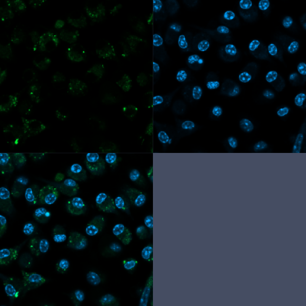
In Vitro Uptake Kinetics: Real-time tracking of intracellular carrier localization via laser confocal microscopy (e.g., GFP-mRNA delivery into 293T cells) for quantitative analysis of intracellular fluorescence intensity at different time points.
Release Kinetics: Detection of drug release profiles under simulated lysosomal conditions, providing release half-life (t½) data.
In Vivo Distribution and Targeting Validation
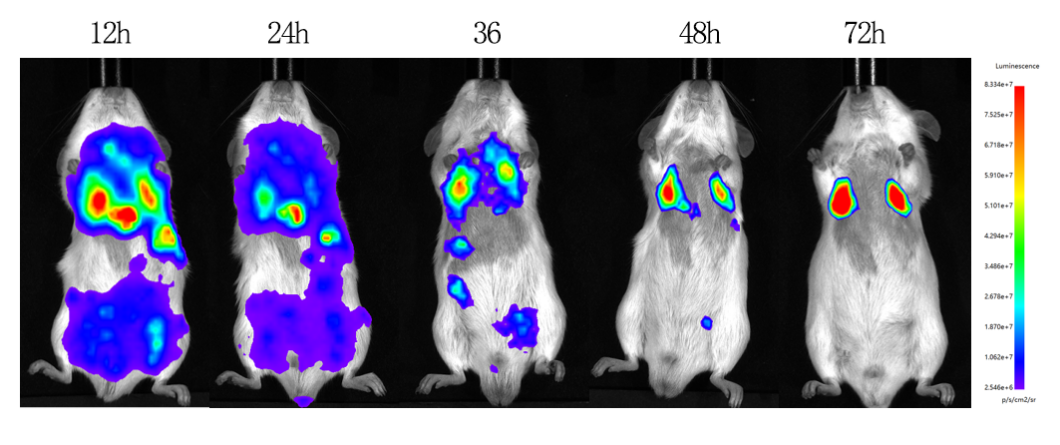
In Vivo Imaging: Dynamic monitoring of the accumulation efficiency of nanomedicines in organs such as tumors and the liver via fluorescence/bioluminescence labeling (e.g., Luc-mRNA).
Tissue Quantitative Analysis: LC-MS/MS detection of drug concentrations in target tissues, with a targeting index (TI ≥ 2.0 considered effective) calculated.
Toxicology and Safety Evaluation
Acute Toxicity: Non-GLP acute toxicity test (rodents), detecting serum AST/ALT levels and histopathological changes (HE staining).
Chronic Toxicity: Evaluate organ accumulation and immunogenicity risks via a 28-day repeated administration test.
4、Technology Platforms and Advantages
Technology Platforms
Nanocarrier Characterization Platform: Malvern Zetasizer Pro (particle size/zeta potential), Transmission Electron Microscopy (TEM, morphological analysis), HPLC (drug encapsulation efficiency).
Cellular/In Vivo Imaging Platform: Laser Confocal Microscope (subcellular localization), In Vivo Imaging System (IVIS, in vivo distribution tracking).
Enhanced Predictability: Cross-platform data integration (in vitro cellular uptake + in vivo distribution) with high correlation.
Comprehensive Coverage: Supports full-range evaluation of nucleic acid drugs (siRNA/mRNA), small molecules, and peptide carriers, covering needs from early-stage screening to IND filing.
5、Service Process
Requirements Communication (24-hour response): Customized experimental plan (vector type, detection endpoints, species selection).
Experimental Execution (Real-time Monitoring): Clients can access raw data (e.g., DLS particle size charts, in vivo imaging videos) via a dedicated platform.
Report Delivery (5–15 working days): GLP-aligned compliant report, including raw data, statistical analysis, and conclusion recommendations.
6、Quality Control and Compliance
Standard Compliance: Experimental procedures adhere to FDA/EMA technical guidelines (e.g., guidelines for nanomedicine characterization), and data verification is conducted through double-blind analysis.
Quality Control Measures: Regular instrument calibration (ISO 9001 certification) and third-party cross-validation (critical data with ≥3 replicates).
7、Case Studies
Case 1: Nanocarrier Characterization
This primarily involves the analysis of nanocarrier properties including particle size, stability and homogeneity. (Crystallographic structure methodologies and index detection, together with electron microscopy methodologies and index detection, are applied for the characterization of nanocarriers themselves.) This step shall be conducted if the client is unable to provide nanocarrier characterization data. (Deliverables include electron microscopy images, particle size profiles and an experimental analysis report.)
Reference Example (from literature):
particle size distribution stability stability & particle size homogeneity
(DOI: 10.1002/advs.202101840)
Case 2: Conjugation and Assembly of Nanocarriers with Drugs (Qualitative Analysis)
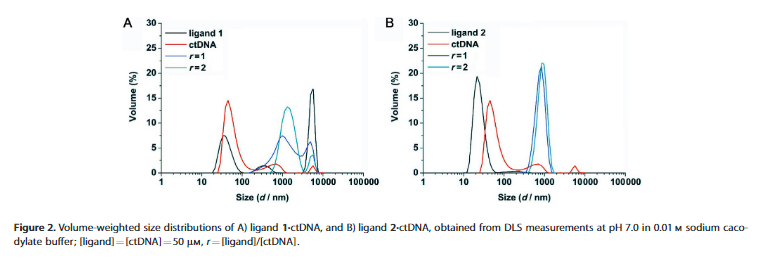
Drug loading is performed in accordance with the properties of different nanomaterials and drugs. (Deliverables include particle size profiles and an experimental analysis report.)
Example: Particle size composition of nano molecules formed by the conjugation of two nanocarriers (peptide-based carriers) with ctDNA at two different mass ratios (r1 and r2).
(DOI: 10.1186/1477-3155-11-18)
Case 3: Optimization of Conjugation, Assembly and Mass Ratio for Drugs and Carriers
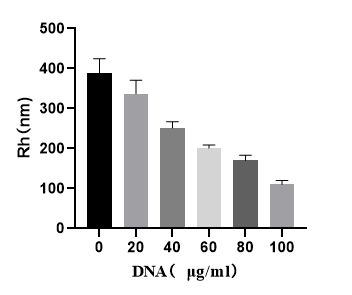
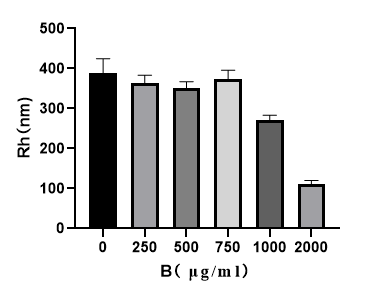
Taking nucleic acid drugs as an example, the optimal mass ratio of nucleic acids to carriers is analyzed via Dynamic Light Scattering (DLS) assays. (Deliverables include particle size profiles and an experimental analysis report.)
Two exploratory experiments were conducted: first, the variation in particle size of self-assembled molecules with the increase in DNA amount at a fixed peptide molecular weight; second, the variation in particle size of self-assembled molecules with the increase in peptide molecular weight at a fixed DNA amount.
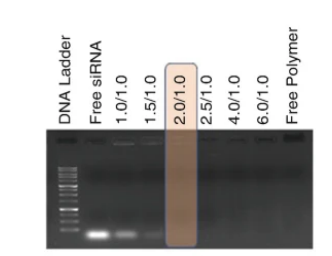
Taking nucleic acid drugs as an example, electrophoresis assays are performed at different mass ratios to determine the optimal mass ratio of nucleic acids to carriers. (Deliverables include electrophoresis profiles and an experimental analysis report.)
For in vivo experiments of the delivery platform, mRNA encoding luciferase (LUC) is delivered into mice. (Deliverables include fluorescence imaging profiles and an experimental analysis report.)
Case 4: Assay of Cellular Uptake Efficiency and Drug Release Efficiency
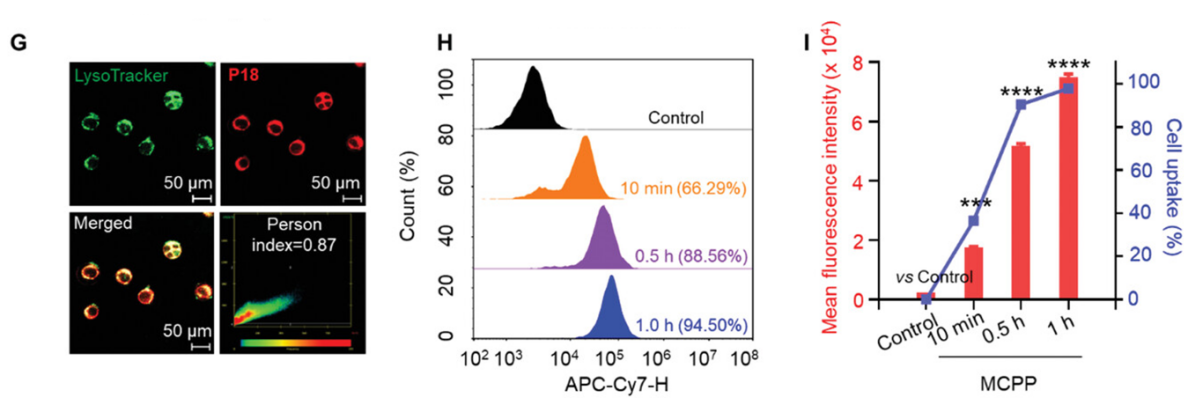
Example 1– Assay of Cellular Uptake Efficiency: The Time-Dependent Cellular Uptake Process of Drugs (Deliverables include fluorescence images and an experimental analysis report.)
Example 2– Simultaneous Assay of Uptake and Release Efficiency (Deliverables include cellular fluorescence images and an experimental analysis report.)
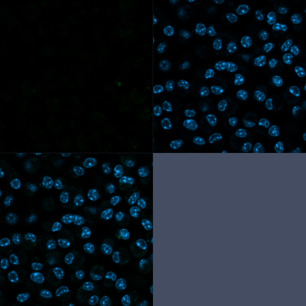
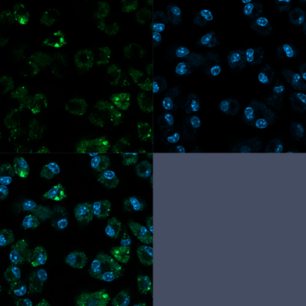
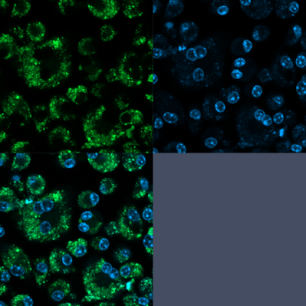
Experiment on the delivery of GFP-encoding mRNA into 293T cells via the delivery platform for in vitro assays(Confocal Laser Scanning Microscopy Images)
Control Group
Delivery Platform A
Delivery Platform B
Lipo2000
Case 5: Assay of In Vivo Distribution and Targeting Specificity
Through targeted modification, the nano delivery system enables the efficient and selective delivery of therapeutic drugs to specific organs, tissues or cells, while mitigating the toxic and side effects induced by off-target drug delivery.
Example 1: Case Study on the Delivery Efficiency of In Vivo Delivery Platforms
Luciferase-encoding (LUC) mRNA is delivered into mice via the delivery platform in in vivo experiments. (Deliverables include fluorescence imaging profiles and an experimental analysis report.)
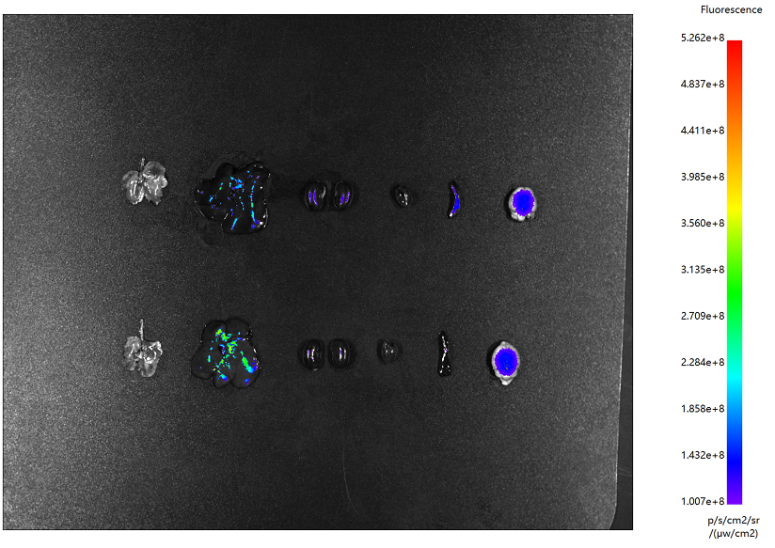
Example 2 – In Vivo Distribution of Nanodrugs (from literature):
Compared with drugs unencapsulated by nanocarriers, those encapsulated by target-modified nanocarriers can effectively target and accumulate in tumor tissues. (Deliverables include fluorescence imaging profiles and an experimental analysis report.)
Case 6: Toxicity Assay
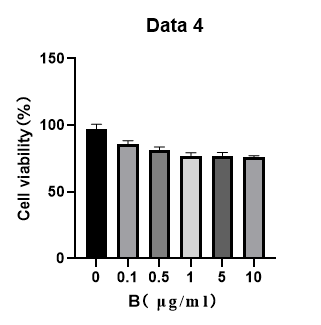
Example 1 (from literature): CT26 cells treated with test substance B at various concentrations were assayed for cell viability after 48 hours of incubation (Deliverables: an experimental analysis report).
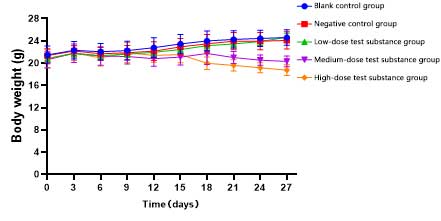
Example 2: In Vivo Toxicity Assay of Test Substance B, the impacts of the drug on animals were investigated via acute and chronic toxicity tests to evaluate the toxicity of the test substance. (Deliverables: mouse dissection photographs, pathological section images and an experimental analysis report).
8、Collaboration Advantages
Flexible Customization: One-stop solutions from carrier screening (10+ formulations) to GLP-aligned toxicology tests are provided on demand.
Efficient Turnaround: Our standard experimental cycle is 30% faster than the industry average (e.g., in vivo distribution assay can be completed in only 7 days).
Cost Optimization: Integration of in vitro and in vivo platforms reduces the cost of individual tests by up to 20%.
9、FAQ
Q1: Is cross-species delivery efficiency validation supported?
Rodent (mouse/rat) and non-human primate (NHP) models are supported, with the provision of an interspecies translation analysis report.
Q2: Can data processing be expedited?
An expedited channel (initiated within 48 hours) is available, with priority delivery of key data (e.g., preliminary results of in vivo distribution).
10、Laboratory Highlights
Equipment
Function
Application Case
Laser Confocal Microscope
Subcellular drug localization (resolution: 0.2 μm)
Dynamic tracking of mRNA cytoplasmic release
In Vivo Imaging System (IVIS)
Real-time monitoring of in vivo distribution (sensitivity: 10⁵ photons/s)
Quantitative analysis of tumor-targeted enrichment
White Paper on Nanomedicine Delivery Evaluation Technology
Guideline for In Vitro-In Vivo Correlation Analysis
12、Why Choose Jennio?
Precision: Data-driven decision-making to reduce the risk of clinical disconnect.
Speed: 30% faster than traditional CROs, from project design to final report.
Reliability: Serving over 100 pharmaceutical companies in the past decade, supporting more than 20 projects to reach the IND stage.
Product Details
Product Details
mRNA is a naturally occurring molecule that carries the “blueprint” of human cells, capable of generating target proteins or antigens to activate the immune response in the body against various pathogens. With the rapid development of biotechnology and molecular medicine, introducing mRNA into the human body as a vaccine or therapeutic agent can produce almost all functional proteins. This represents the emergence of a precision medicine field with broad prospects in preventing and treating many refractory diseases. However, due to the inherent instability of mRNA, its delivery remains a significant challenge in current mRNA-based therapies.
Listen to the voice of every customer
Share details of your inquiry, and we’ll contact you shortly.
Contact us
Room 238, Building A, Guangzheng Science and Technology Park, No. 11 Nanyunwu Road, Huangpu District, Guangzhou, Guangdong Province, China