Customize Your Personal Cell Panel

Customize Your Personal Cell Panel

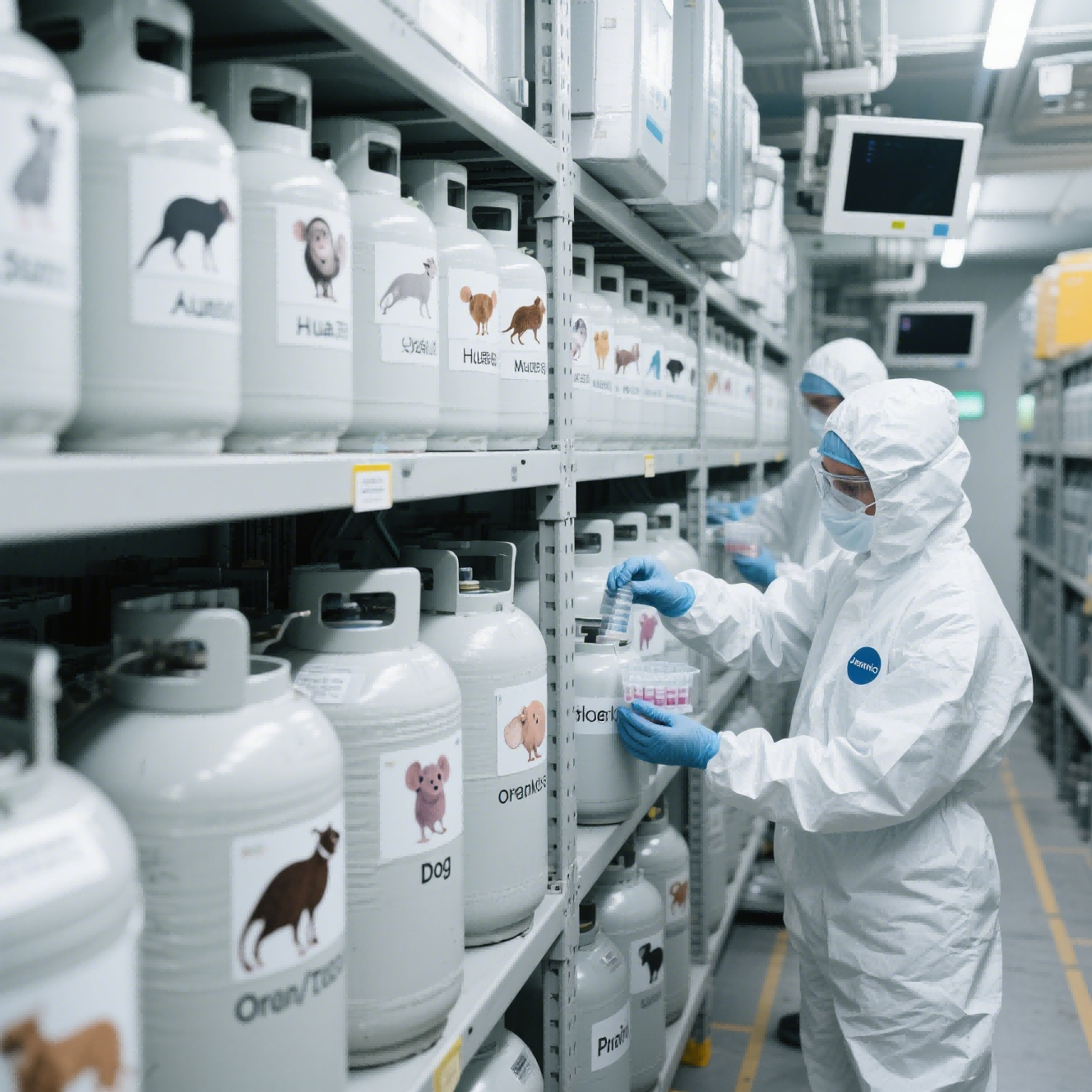
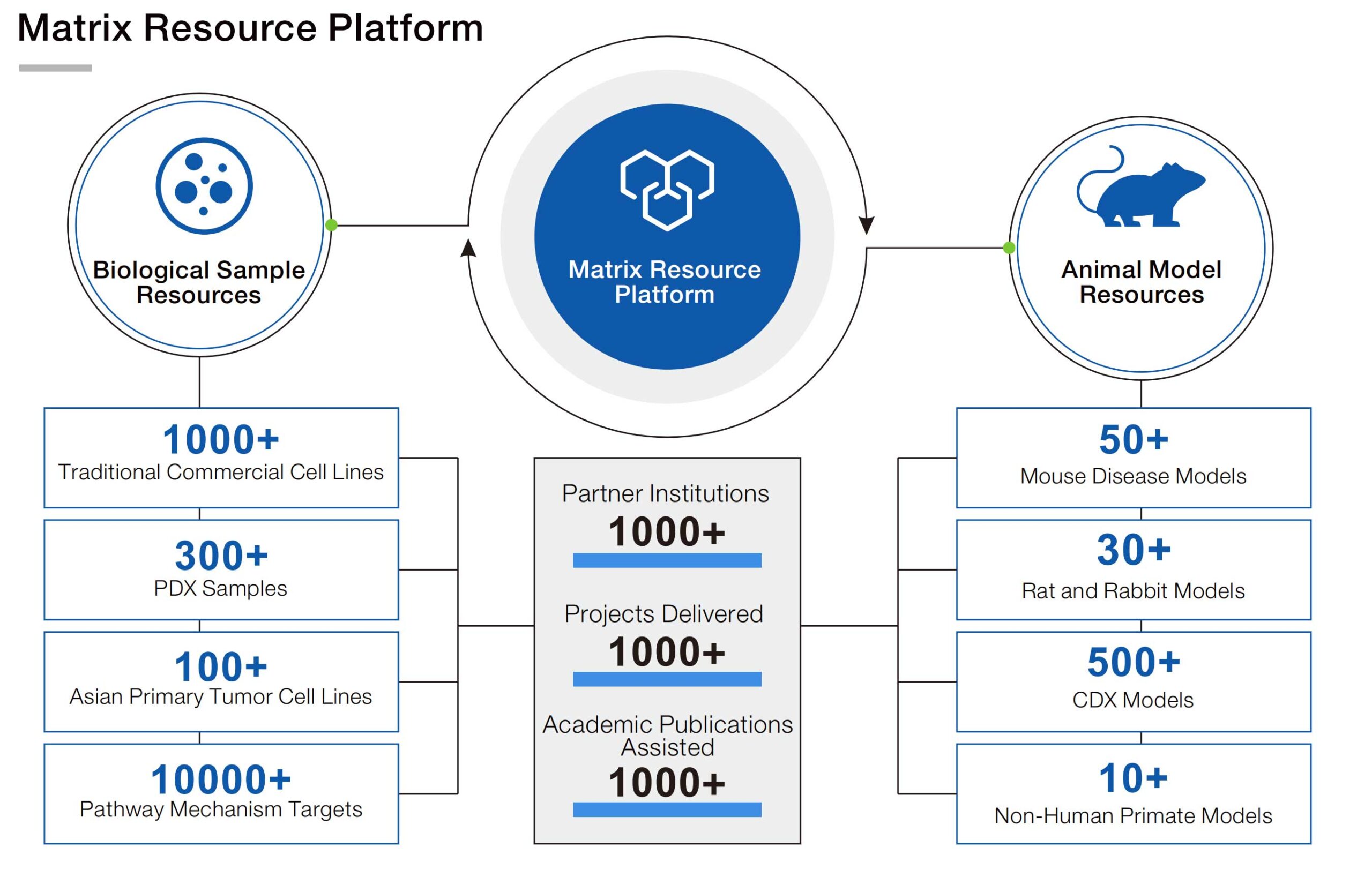
Jennio cell bank covers 21 major categories of organs/tissues spanning across various species such as humans, rats, mice, monkeys, pigs, and dogs. With nearly ten thousand target pathway information, it can support customers in designing customized cell panels based on their specific needs.

Details

1、Customized Cell Screening Panels – Accelerate Preclinical Decision-Making for Anticancer Drugs

Industry Pain Point: Traditional drug screening models fail to simulate the human tumor microenvironment, leading to a disconnect between preclinical data and clinical outcomes, prolonged R&D cycles, and increased failure risks.

Value Proposition: Through customized primary tumor cell panels combined with a high-throughput screening platform, we enable precise prediction of drug responses and shorten the candidate drug validation cycle by more than 50%.

2、Service Overview

As a core link in preclinical anticancer drug screening, the customized cell panel service focuses on solving the bottleneck problems of drug targeting verification and efficacy prediction.

Industry Pain Points:

  • Severe genetic drift in commercial cell lines, failing to reflect tumor heterogeneity in patients;
  • 2D culture models cannot simulate the in vivomicroenvironment, resulting in low accuracy of drug efficacy prediction.

Solutions:

Based on a patient-derived primary tumor cell bank (300+ Chinese human samples), we construct personalized/disease-specific cell panels, combined with CRISPR gene editing and 3D organoid culture technologies, to achieve:

  • High clinical relevance of drug efficacy prediction (consistency with PDX models >85%);
  • Full-process screening support from target validation to dose optimization.

3、Our Services

1. Customized Cell Panel Construction

Sample Sources: Patient surgical/biopsy tissues, PDX model living samples, Chinese human-derived primary tumor cell bank (covering 8 cancer types such as liver cancer, lung cancer, gastric cancer);
Panel Types:

  • Personalized Panels: Polyclonal cell lines from a single patient (3-5 strains), for individual medication guidance;
  • Disease Panels: Combinations of multiple subtypes of specific cancer types (e.g., HER2+/TNBC breast cancer), supporting research on drug indication expansion.

2. High-Throughput Drug Screening

Technology Platforms:

  • In Vitro Drug Sensitivity Screening (QuiGueTM-Quick3D): 3D organoid culture + automated CTG/MTT detection, completing dose gradient tests of 100+ compounds within 14-21 days;
  • Gene Editing Validation: CRISPR-Cas9 to construct drug-resistant strains/KO cell lines for verifying target necessity.

Detection Indicators:

IC50 value, apoptosis rate, migration inhibition rate, metabolic activity (OCR/ECAR), etc.

3. Data and Report

  • Provide multi-dimensional drug efficacy heatmaps, dose-response curves and mechanism correlation analysis (e.g., target expression – drug efficacy correlation);
  • Output FDA submission format reports (including raw data and statistical analysis).

4、Technology Platforms and Advantages

Technology Platforms

  1. Primary Cell Culture Platform:
  • Conditionally Reprogrammed (CR) technology enables infinite proliferation of primary cells with passage stability >P15;
  • Success rate >80% (30-50% average in literature).
  1. High-Throughput Screening Platform:

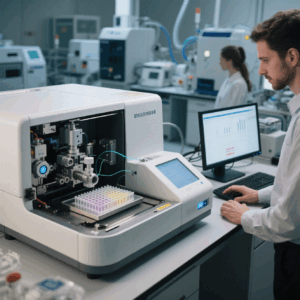
Multifunctional microplate reader and plate chemiluminescence analyzer system support daily detection of 1000 samples in 96-well plates.

Differentiated Advantages

  • The only integrated triple platform of clinicalsamples-PDX-organoids: supporting cross-validation of in vitro and in vivo data;
  • Chinese population-specific database: covering 100+ high-frequency mutant genes in the Chinese population (e.g., HBV-related liver cancer mutation profiles).

5、Service Process

  1. Requirement Confirmation (1 working day): Sign a non-disclosure agreement and confirm the panel type, detection indicators and compound library;
  2. Cell Preparation (1 week): Cell culture;
  3. Drug Efficacy Screening (1-2 weeks):
  4. Pre-experiment to determine the dose range → formal screening → data quality control (CV < 15%);
  5. Report Delivery (3 working days):
  6. Including RAW data, statistical analysis charts and mechanism interpretation suggestions.
  7. Full-cycle support: Dedicated project manager + online data platform for real-time progress tracking.

6、Quality Control and Compliance

Compliance Standards:

  • Experimental operations comply with GLP-aligned specifications (ISO 9001:2015 certified);
  • The data traceability system meets the electronic record requirements of 21 CFR Part 11.

Quality Control Measures:

  • Cells: STR identification (9 loci) + mycoplasma detection (PCR method);
  • Data: Double-blind review by two researchers + cross-validation on third-party platforms (e.g., Calibr company reference materials).

7、Case Studies

Case 1: Combined Screening of Liver Cancer Targeted Drugs

  • Client’s Requirement: Evaluate the combined effect of a multi-kinase inhibitor and PD-1 antibody;
  • Solution: Construct a primary cell panel of 10 Chinese liver cancer patients (including PD-L1+ subgroups);
  • Results:
  • Screen out sensitive patient subgroups (AXIN1 mutant type, TGI 78%);
  • The matching degree of response rate in Phase I clinical verification reaches 82%.

Case 2: Research on Breast Cancer Drug Resistance Mechanism

  • Solution: Construct osimertinib-resistant H1975 lung cancer strains and screen compounds to reverse drug resistance;
  • Result: The test substance overcomes the drug resistance of the drug-resistant strains, achieves a tumor suppressive effect, and the TGI is increased to 70%.

8、Cooperation Advantages

  • Full-cycle support: Provide complete data packages for the CMC pharmacodynamics module from target discovery to IND application;
  • Efficiency guarantee: Standard process takes 28 working days (industry average 45 days), and urgent projects take 15 working days;
  • Cost optimization: Panel reuse mechanism (a single panel supports ≥ 5 screenings), reducing the cost of a single test by 40%.

9、FAQ

Q1: Is the detection of ADC drug endocytosis supported?

Yes. Integrate pHrodo labeling and high-content imaging to quantify the endocytosis efficiency and lysosomal escape rate.

Q2: Can the data be used for FDA/EMA applications?

We can provide a complete GLP-aligned data package and assist in writing the non-clinical pharmacodynamics chapter.

10、Lab Highlights

FacilitiesCapability Description
10,000-class clean cell roomProcess more than 50 primary samples simultaneously to prevent cross-contamination
High-content imaging system (PerkinElmer)Fully automated scanning of 96-well plates with subcellular localization accuracy of 1μm
Live cell metabolic analyzer (Seahorse)Real-time monitoring of glycolysis/mitochondrial stress

11、Contact Us

Consult Now:

  • 📞Tel: +86 020-29065209
  • 📧Email: xuguoquan@jennio-bio.com
  • 💻Online Requirement Submission

Limited-time Benefits:

  • First order gets a free 3D drug sensitivity screening (worth ¥20,000);
  • Download the White Paper on In Vitro Screening of Antitumor Drugs: Get it Now

Listen to the voice of every customer

Share details of your inquiry, and we’ll contact you shortly.​

Contact us

Room 238, Building A, Guangzheng Science and Technology Park, No. 11 Nanyunwu Road, Huangpu District, Guangzhou, Guangdong Province, China

Business Cooperation

3691125803@qq.com

Mobile phone number/WeChat ID

+86 18802035152