
Disease-related gene stable strain construction

Disease-related gene stable strain construction

Stable Transgenic Strains refers to a cell line obtained stable overexpression or inhibition of a specific gene through gene editing. By means of loading disease-related gene sequences or shRNA sequences targeting specific genes onto a recombinant vector, and integrating the target gene sequence into the chromosome of the host cell through a lentivirus screening system or a transposon screening system, it can achieve sustained and stable expression and regulation of the target gene. Stable Transgenic Strains include overexpressing stable cell lines, knockdown stable cell lines, and disease-specific gene stable cell lines.

Details

1、Breaking Through Bottlenecks in Gene Target Validation | Rapid Construction of Disease-Related Gene Stable Cell Lines for Precise Drug Efficacy Evaluation Platform

Industry Pain Point: Traditional gene editing features long cycles and low efficiency, failing to meet pharmaceutical companies’ demand for rapid target screening.

Value Proposition: Customized gene stable cell line construction shortens drug target validation cycles by 50% and reduces preclinical R&D risks.

2、Service Overview

Target validation is a core bottleneck in preclinical research for innovative drug development. Traditional methods are time-consuming with low success rates and struggle to simulate the complex regulatory mechanisms in the human body. Jennio Bio provides construction of disease-related gene stable cell lines using gene-editing technologies such as CRISPR-Cas9 to precisely build overexpression, knockdown, and knockout cell models, enabling:

  • Rapid target validation: Shortens gene function research cycles to 4–8 weeks.
  • Stable experimental models: Exogenous genes integrated into the genome for longterm stable expression, eliminating batch variation from transient transfection and ensuring reproducible results.
  • Broad applications: Widely used in gene function research, drug target validation and screening, disease mechanism exploration, antibody specificity verification, and other core research areas.

3、Our Services

  1. Custom Gene Stable Cell Lines
  • Overexpression stable cell lines: Forced expression of target genes to validate agonist efficacy (e.g., oncogene activation models).
  • Knockdown stable cell lines: shRNAmediated gene silencing to evaluate inhibitor efficacy (e.g., drug resistance gene studies).
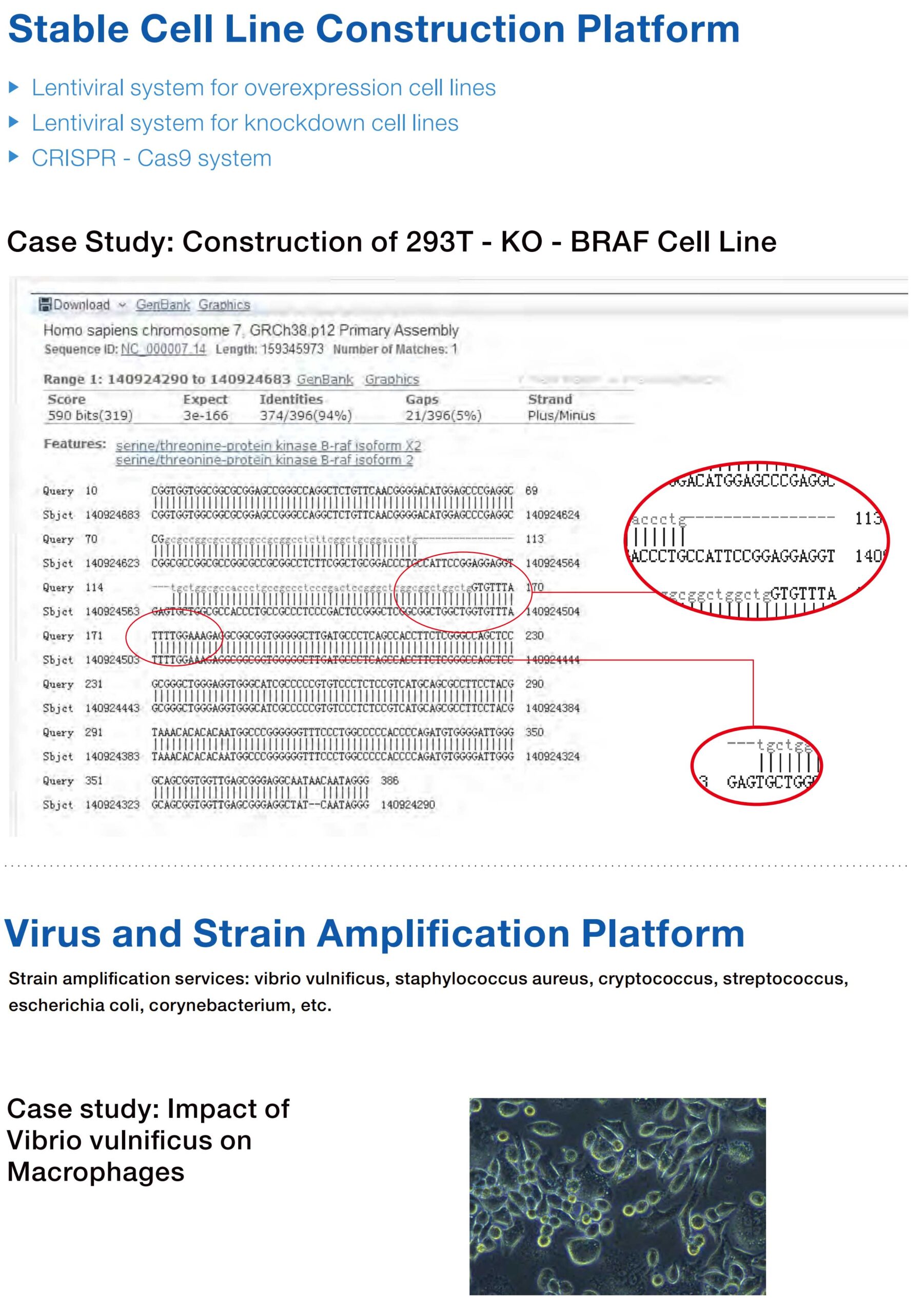
  • CRISPR-Cas9 knockout lines: Permanent gene deletion to model hereditary disease targets (e.g., BRAF mutation models).
  1. Integrated Disease Model Applications
    • Oncology target validation: Geneedited tumor cell lines combined with CDX models (e.g., liver cancer HBx gene cell lines).
    • Metabolic disease research: Gene editing of insulin pathways (e.g., GLUT4 overexpression diabetes models).
    • HBV in vitro drug efficacy tool cell lines: Construction of HepG2.2.15-HBV stable cell lines.
    • HIV in vitro drug efficacy tool cell lines: Construction of Hela-CD4&CCR5 stable cell lines.
  1. Supporting Functional Assays
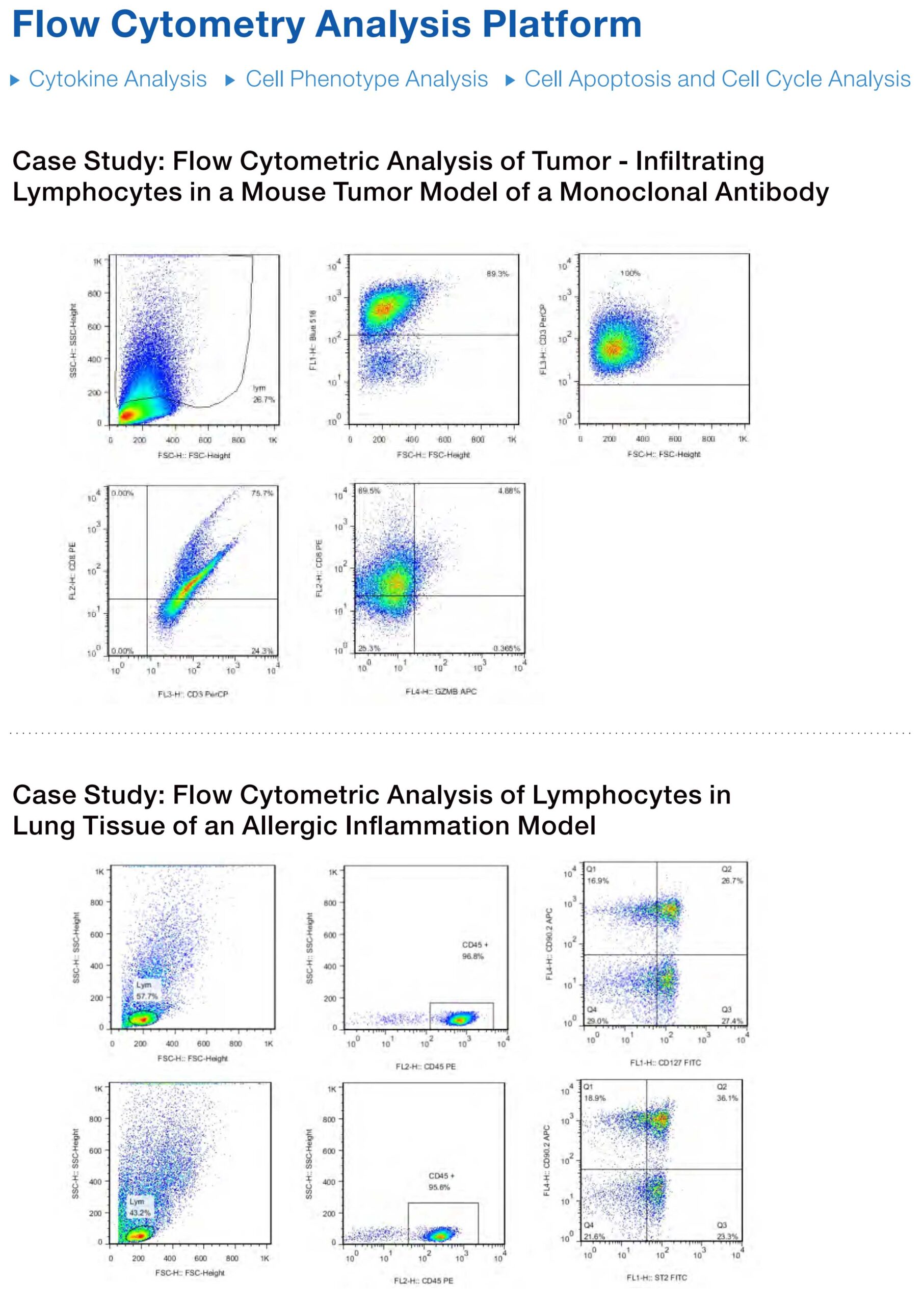
  • Phenotypic validation: Cell proliferation, apoptosis, migration assays (MTT / flow cytometry).
  • Molecular mechanism: Target protein expression quantification by Western Blot / qPCR.
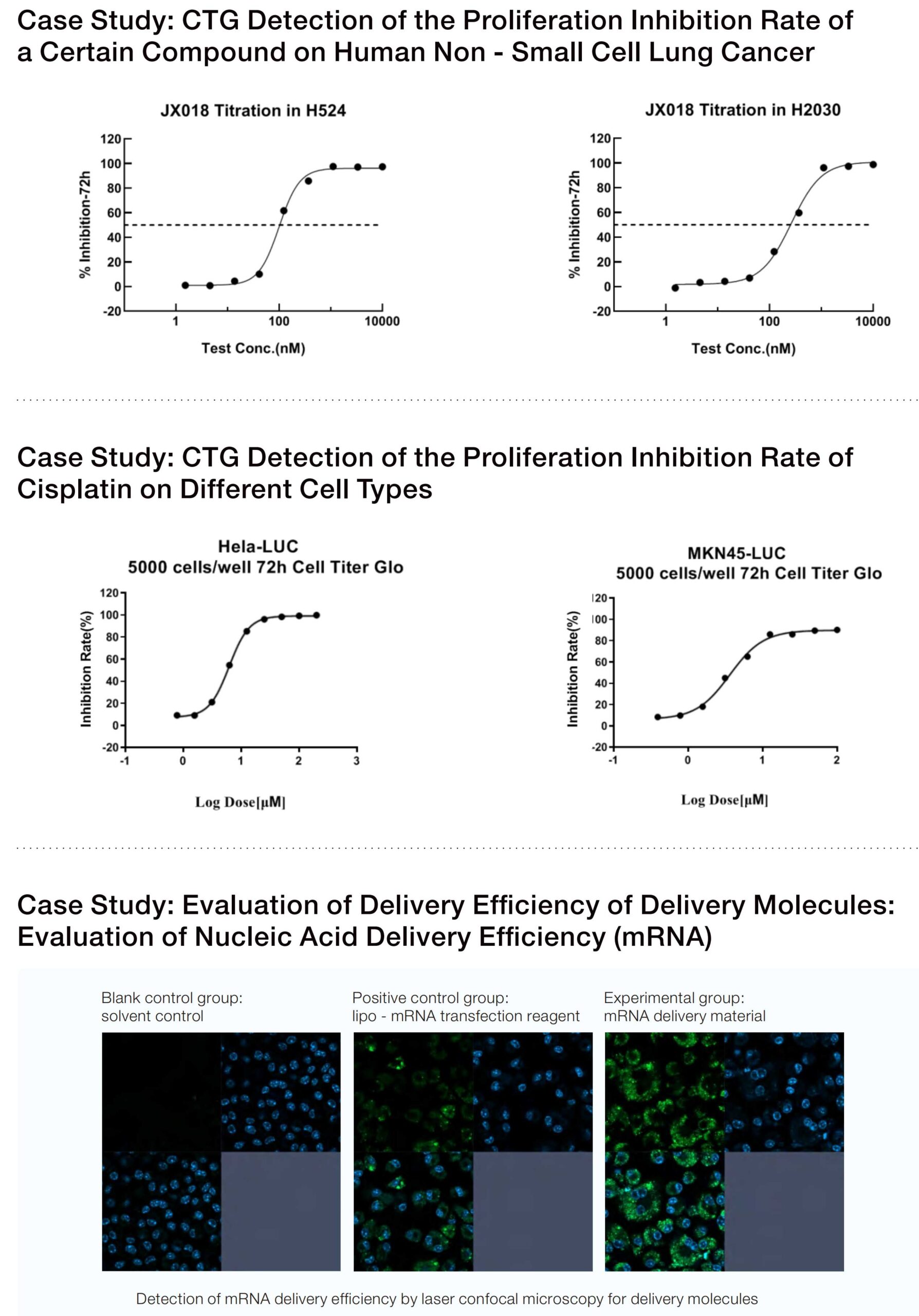
  • Preliminary drug screening: In vitro highthroughput drug sensitivity testing (CTG / CCK8); HIV pseudovirus infection inhibition assays.
  • siRNA sequence prescreening: Highthroughput in vitro siRNA transfection screening (qPCR).

4、Technology Platforms and Advantages

Core Platforms

  • CRISPR-Cas9 gene editing platform: Monoclonal screening efficiency improved by 40%.
  • Stable cell line construction system: Supports tool cells including 293T, Hela, HepG2, and primary tumor cell line establishment.
  • Monoclonal stable cell line isolation: Shortens monoclonal selection cycle by 4–6 weeks.
  • siRNA sequence screening platform: Highthroughput in vitro siRNA library screening.
  • Highthroughput chemiluminescence detection system: Supports drug efficacy testing for multiple pseudovirus infection models.

Differentiating Advantages

  • Unique multimodel linkage: Simultaneous provision of geneedited cell lines plus matching CDX/PDX animal models; data consistency > 95%.
  • Highthroughput screening system: Fast, lowcost, and precise screening.

5、Service Process

  1. Requirement consultation (1 working day): Submit target sequence → Customize protocol (vector /cell line selection).
  2. Gene editing (8–10 working days): Vector construction → Lentivirus packaging & infection → Monoclonal screening.

3.Drug efficacy evaluation model:

  • Functional data (drug proliferation inhibition curves, WB validation, flow validation, antipseudovirus infection fluorescence curves, etc.)
  • Full transparency: Dedicated project manager provides weekly updates; realtime sharing of raw data.

6、Quality Control & Compliance

GLPaligned standard: Experimental procedures comply with GLP guidelines.

Dual quality control:

  • Genetic level: Sanger sequencing + STR locus verification.
  • Protein level: Crossvalidation by Western Blot.

7、Case Studies

Case 1: Construction of HBx Gene Stable Cell Line for Liver Cancer Target
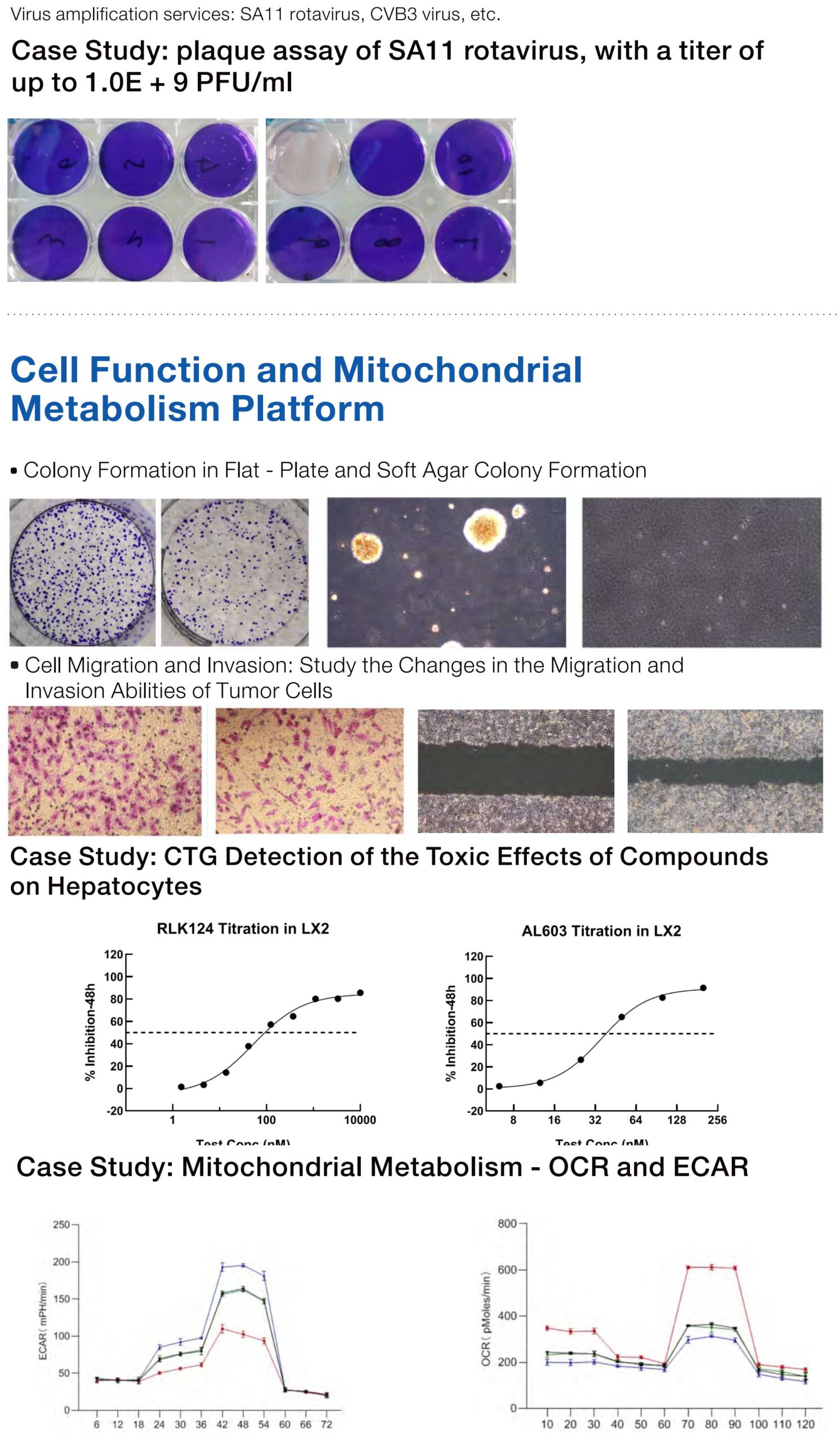
  • Client objective: Validate the role of HBx in sorafenib resistance.
  • Solution: Construction of HepG2-HBx overexpression line + control line.
  • Result: IC50 increased 3.2fold in the overexpression group (p < 0.01), confirming the resistance mechanism.
  • Deliverables: STR report + drugresistant cell bank .

8、Cooperation Advantages

  • Fullcycle support: From gene design to IND filing data packages.
  • Cost optimization: Shared cell bank resources reduce perproject costs by 30%.
  • Endtoend solutions: Linkage with in vivo efficacy platforms (CDX/PDX) to deliver target–efficacy correlation data.

9、FAQ

Q1: Do you support crossspecies gene editing (e.g., inserting human targets into mouse cells)?

A: Yes! We have successfully established humanized target tumor cell models combined with in vivo validation models (IOEasy).

Q2: Can you provide in vivo efficacy validation after gene editing?

A: We can link with the CDX platform to transplant stable cell lines into NCG mice and evaluate in vivo tumor inhibition rate.

10、Laboratory Highlights

Core Equipment

  • GMPgrade clean workstations: Monoclonal isolation efficiency > 80%.
  • Livecell imagers: Realtime monitoring of phenotypic changes after gene editing.
  • View more laboratory photos.

11、Contact Us

Consult Now:

  • Technical advisor: +86 18802035152
  • Email: 3691125803@qq.com
  • Submit inquiry online

Limited Resources:

  • Download Technical Manual for Gene Stable Cell Line Construction

Free custom protocol design: First order includes complimentary target feasibility assessment!

Listen to the voice of every customer

Share details of your inquiry, and we’ll contact you shortly.​

Contact us

Room 238, Building A, Guangzheng Science and Technology Park, No. 11 Nanyunwu Road, Huangpu District, Guangzhou, Guangdong Province, China

Business Cooperation

3691125803@qq.com

Mobile phone number/WeChat ID

+86 18802035152