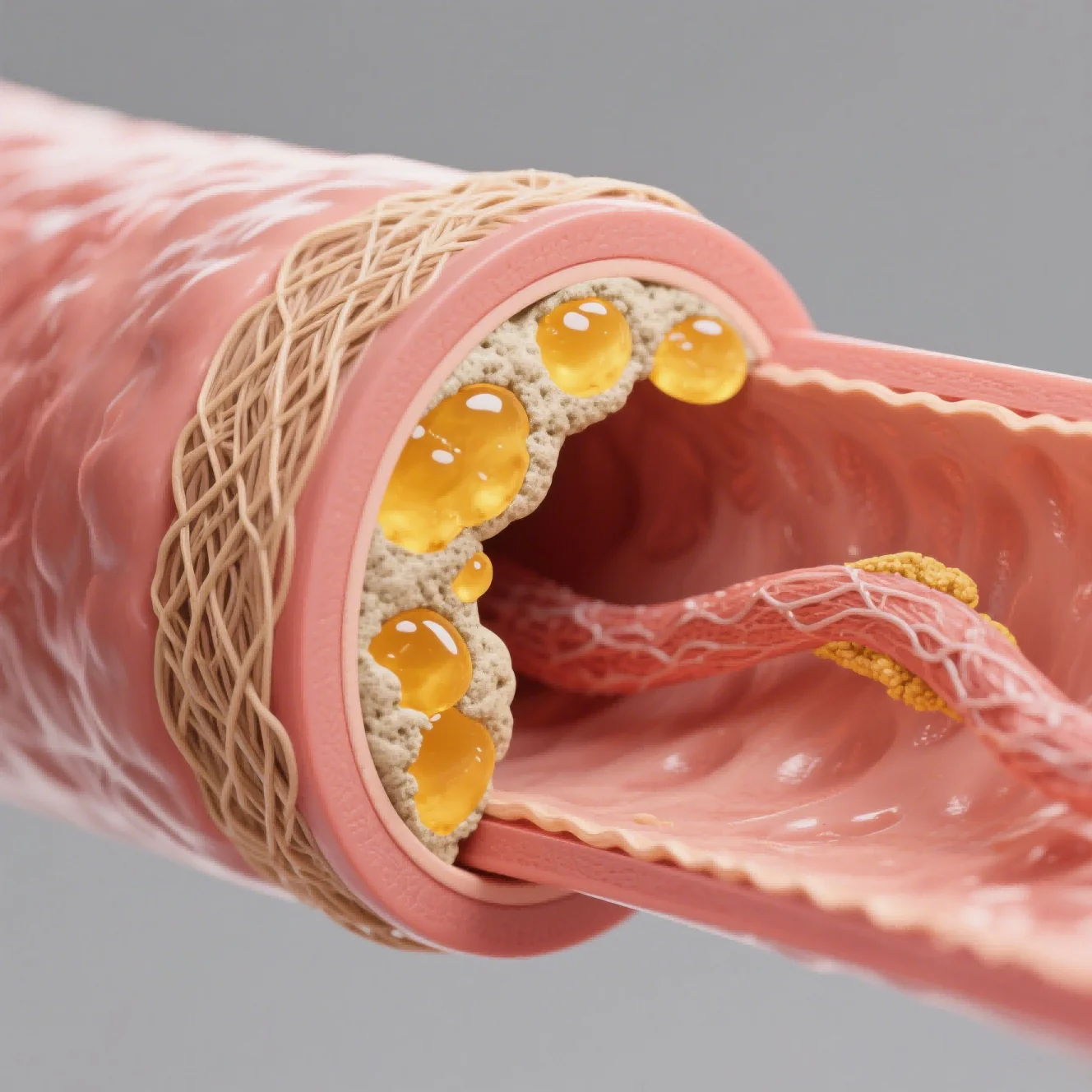
Developing a new therapeutic candidate requires careful planning, reliable data, and a structured research strategy before entering clinical trials. The early stages of drug development provide evidence to assess a compound’s efficacy, biological activity, preliminary tolerability, and potential development risks..
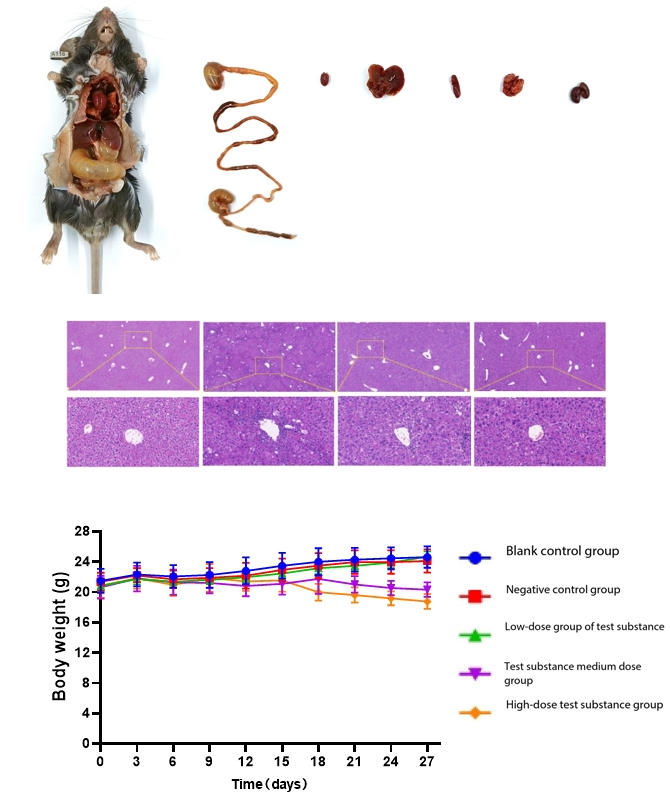
At this stage, preclinical evaluation of drugs plays a critical role by helping researchers understand how a candidate interacts with biological systems before human studies begin. A well-designed preclinical program can identify potential development risks, support evidence-based research decisions, and provide relevant data for subsequent evaluation..
Establish Clear Objectives for Preclinical Evaluation of Drugs
The first step in managing preclinical studies is defining clear research objectives. Different drug candidates require different evaluation strategies depending on their therapeutic targets, mechanisms of action, and intended applications.
Researchers should determine which questions need to be answered during the study. These may include whether the compound shows predefined biological activity, how it affects target pathways, and whether potential safety concerns need further investigation.
A clear study objective helps select appropriate experimental models, analytical methods, and evaluation criteria. Without defined goals, preclinical projects may generate large amounts of data without providing useful conclusions for decision-making.
Select Appropriate Research Models and Experimental Systems
Choosing suitable models is one of the most important factors in preclinical research management. The selected system should recapitulate biological characteristics relevant to the disease or therapeutic target being studied.
In vitro models are often used during early-stage screening because they allow researchers to evaluate molecular interactions, cellular responses, and biological mechanisms. These models can help identify promising candidates before more complex studies are performed.
Animal models or advanced biological systems may provide additional information about drug performance, pharmacological effects, and potential limitations. The choice of model should always match the research purpose and provide data that supports future development decisions.
Design a Comprehensive Study Workflow
Effective management of preclinical projects requires a well-organized workflow covering study preparation, experimental execution, data collection, and analysis. Each stage should include clearly defined procedures and quality control measures.
During study planning, researchers need to establish experimental groups, control conditions, sample requirements, and evaluation methods. A detailed protocol improves consistency and helps reduce unexpected variations during experiments.
A specialized drug efficacy research platform can support researchers by providing structured approaches for evaluating therapeutic candidates. Through standardized procedures and professional technical support, research teams can improve efficiency while strengthening data consistency and interpretability..
Ensure Reliable Data Collection and Analysis
High-quality data is the foundation of successful drug development. Reliable, traceable, and interpretable data support evidence-based drug development decisions. Researchers should establish appropriate methods for collecting, recording, and analyzing experimental results throughout the preclinical process.
Data evaluation should consider multiple factors rather than relying on a single measurement. Combining molecular, cellular, and biological information can provide a more complete understanding of a candidate compound’s performance.
When managing preclinical evaluation of drugs, maintaining accurate documentation is essential. Detailed records allow researchers to review experimental conditions, compare results, and make informed decisions about whether a candidate should progress to the next development stage.
Consider Reproducibility and Quality Control
Repeatability and reproducibility are important considerations in preclinical research. Experimental findings should be supported by fit-for-purpose methods, appropriate controls, and consistent results across relevant replicates or independent experiments before they can contribute to future development plans.
Researchers should implement quality control practices, including standardized protocols, appropriate controls, and careful monitoring of experimental variables. These practices help improve confidence in study results and reduce uncertainty during decision-making.
Working with experienced biotechnology partners can also help research teams access optimized platforms and technical expertise. At Jennio Biotech, we focus on supporting scientific research needs through customized solutions that help researchers conduct fit-for-purpose studies with scientific rigor and appropriate quality control..
Optimize Collaboration Between Research Teams
Preclinical studies often involve multiple specialists, including molecular biologists, pharmacologists, laboratory technicians, and project managers. Effective communication between team members is essential for maintaining project progress.
Before starting experiments, teams should establish clear responsibilities, timelines, and reporting procedures. Regular discussions help identify challenges early and allow researchers to adjust strategies when necessary.
Collaboration also enables researchers to combine different areas of expertise. By integrating knowledge from various scientific fields, teams can develop more comprehensive approaches for evaluating drug candidates.
Use Technology to Improve Research Efficiency
Modern biotechnology tools continue to improve the way researchers manage preclinical projects. Advanced analytical technologies, automated systems, and specialized research platforms can provide higher-resolution or complementary data for characterizing drug activity.
Technology selection should be based on project requirements rather than simply adopting the newest tools. The most effective approach is to combine suitable technologies with well-designed experimental strategies.
Jennio Biotech provides research solutions designed to support different stages of biological investigation. By combining technical capabilities with flexible service approaches, we help researchers address complex experimental challenges and improve research efficiency.
Prepare Data for Future Development Stages
A well-planned preclinical program should not only evaluate current research questions but also prepare valuable information for later development stages. Researchers should consider how collected data can support future regulatory discussions, clinical planning, or additional optimization.
Well-organized reports should include study objectives, methodologies, results, limitations, and conclusions. Clear documentation improves communication among internal teams, external partners, and other stakeholders.
The final analysis should provide practical insights into the candidate’s strengths and potential challenges. This approach allows development teams to make better-informed decisions before advancing to more complex studies.
Conclusion
Managing preclinical drug studies requires careful planning, appropriate model selection, reliable data analysis, and effective collaboration. A structured approach helps researchers evaluate therapeutic candidates more efficiently while improving the quality of scientific decisions.
The process of preclinical evaluation of drugs is not only about generating experimental results but also about understanding biological responses and identifying opportunities for further development. By applying systematic workflows and quality-focused strategies, research teams can build a stronger foundation for drug discovery.
At Jennio Biotech, we continue to support researchers with professional biotechnology services and research platforms designed to facilitate high-quality preclinical investigations. Through practical solutions and scientific expertise, we aim to generate reliable evidence and support well-informed decisions during preclinical development.