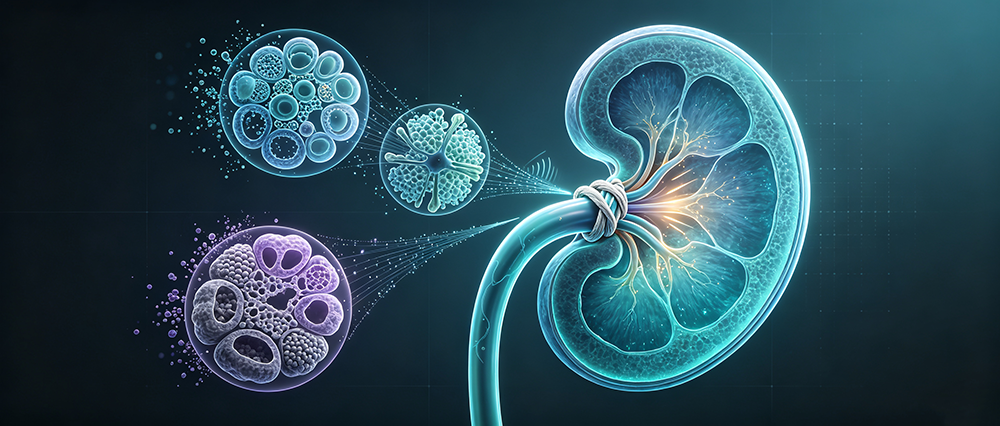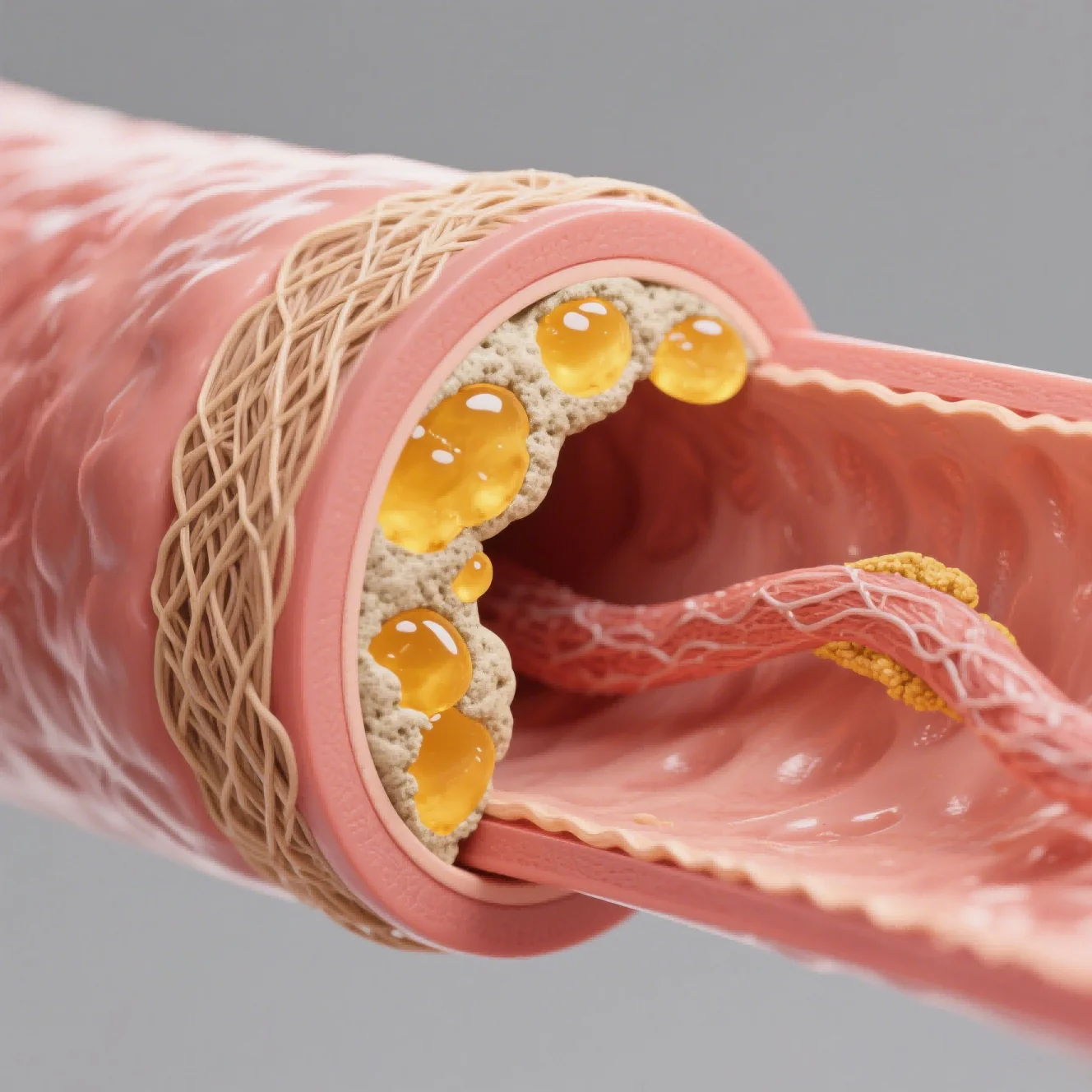
Drug development requires a clear understanding of how therapeutic candidates perform after administration. Researchers must evaluate not only whether a compound reaches the intended target but also whether it produces meaningful biological effects under controlled conditions.
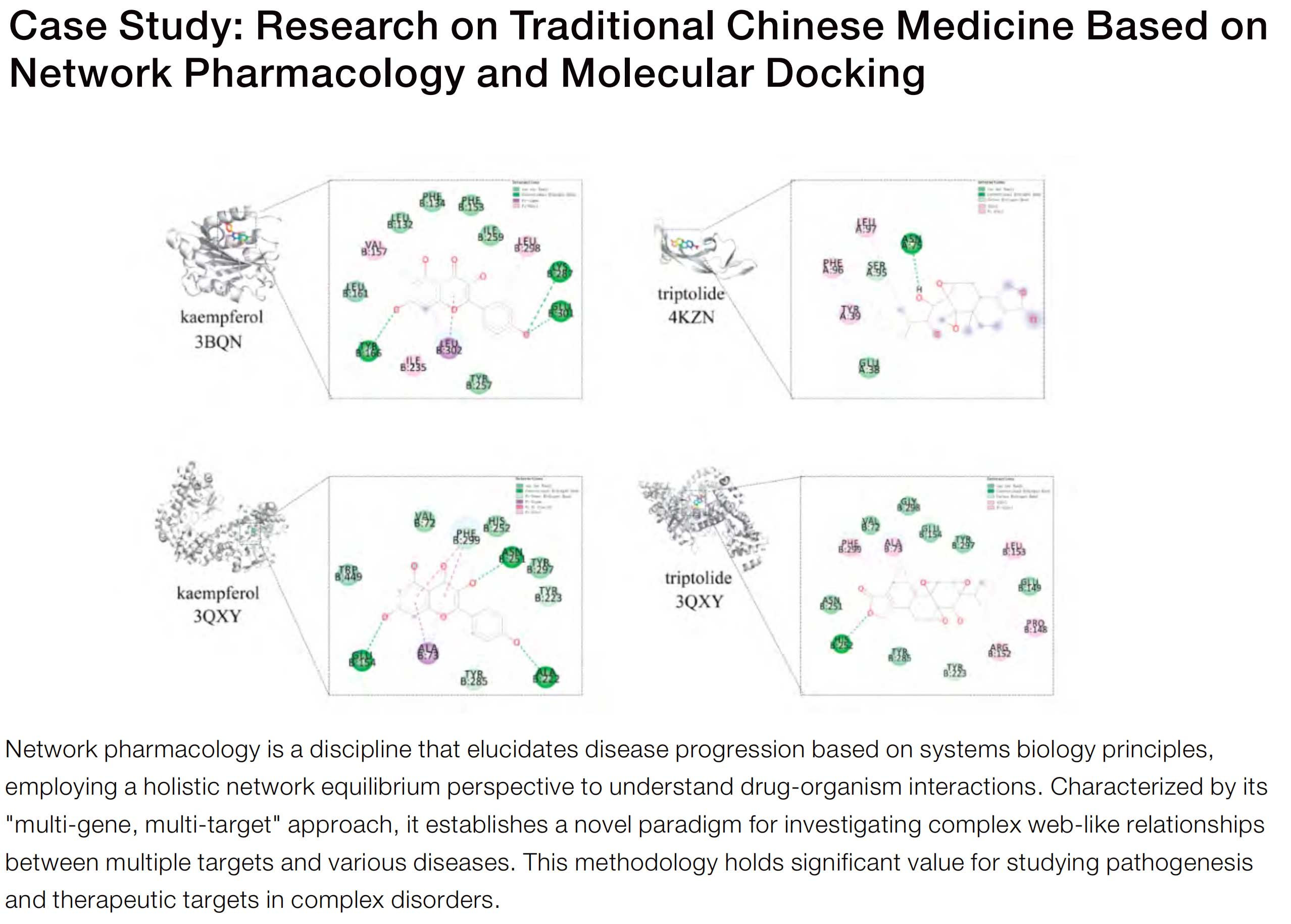
An effective research strategy helps identify candidate strengths, limitations, and potential optimization directions. Through structured testing, scientists can collect valuable evidence to support decisions during different stages of drug discovery.
Understanding the Role of an Efficacy Drug Delivery System in Preclinical Research
An efficacy drug delivery system involves a combination of evaluation methods designed to study how therapeutic candidates perform within biological models. The assessment process may consider factors such as drug activity, biological response, target engagement, and experimental conditions.
For researchers, understanding delivery-related performance is essential because different compounds may behave differently depending on their formulation, administration method, and biological environment. A candidate that demonstrates promising activity in one model may require additional investigation before moving forward.
A comprehensive evaluation approach usually begins with selecting suitable experimental models. Cell-based studies can provide early insights into biological activity, while animal models can help researchers understand responses within more complex systems. Combining different models allows teams to generate more complete research information.
Key Components of Drug Efficacy Evaluation
A well-designed efficacy assessment depends on several important elements. The first step is selecting models that are appropriate for the research objective and recapitulate relevant biological characteristics.
Researchers often evaluate changes in cell viability, biomarker expression, immune responses, tumor progression, or other biological indicators depending on the therapeutic area. These measurements help determine whether a candidate produces the expected effect.
Another important factor is experimental consistency. Standardized procedures, appropriate controls, and reliable analytical methods improve data interpretation. Reliable and interpretable data allow researchers to compare candidates more effectively and prioritize development directions based on predefined criteria..
Jennio Biotech supports customized research projects by integrating different preclinical evaluation capabilities, including in vitro and in vivo efficacy studies. These approaches are designed to address specific research questions and provide useful information for drug discovery programs.
How to Design an Effective Efficacy Drug Delivery System Study
When planning a study, researchers should first define clear objectives. Different goals require different experimental designs. For example, early screening may focus on identifying active candidates, while later studies may investigate mechanisms or therapeutic responses.
Model selection is another critical consideration. A suitable model should reflect key biological characteristics related to the disease or therapeutic target. Poor model selection can lead to results that are difficult to interpret or translate.
Researchers should also consider the evaluation timeline. Some therapeutic effects may appear quickly, while others require longer observation periods. Establishing appropriate measurement points helps capture meaningful changes during the study.
Data analysis is equally important. A well-designed study does not only collect experimental results but also places them in an appropriate biological context. This process helps researchers understand why a candidate performs in a certain way and what improvements may be needed.
Challenges in Drug Delivery and Efficacy Research
Drug development involves many challenges because biological systems are highly complex. A candidate’s performance can be influenced by formulation, route of administration, cellular uptake, biodistribution, biological interactions, and target accessibility.
One common challenge is translating laboratory findings into clinically meaningful insights. Although experimental models provide valuable information, researchers must carefully interpret results within the context of therapeutic development.
Another challenge is balancing research efficiency with data quality. Faster screening methods can help identify potential candidates, but detailed analysis is often required to understand mechanisms and improve confidence in decision-making.
A specialized platform can help address these challenges by combining appropriate models, technical expertise, and customized study designs. By selecting an appropriate evaluation strategy, researchers can improve the relevance, reliability, and interpretability of the evidence supporting development decisions.
Choosing the Right Research Partner for Drug Evaluation
Selecting a suitable research partner is an important decision for biotechnology and pharmaceutical organizations. Experience with disease models, experimental design, and data analysis can significantly influence research outcomes.
A reliable partner should provide flexible solutions that match project requirements rather than applying a single standard approach. Communication, technical capabilities, and fit-for-purpose quality control practices are also important factors to consider.
At Jennio Biotech, we provide customized preclinical research services designed around different therapeutic development needs. Our specialized platforms support researchers in evaluating drug candidates and exploring biological mechanisms throughout early-stage development.
Building Reliable Drug Development Strategies
Understanding preclinical candidate performance requires systematic evaluation, suitable biological models, and accurate data interpretation. An effective efficacy drug delivery system approach enables researchers to examine candidate behavior and make better-informed development decisions.
By combining scientific expertise with practical research solutions, teams can identify opportunities for optimization and reduce uncertainty during drug discovery. Careful study design and appropriate evaluation methods remain essential for generating evidence to support the continued evaluation of therapeutic candidates.
Jennio Biotech continues to support researchers by providing structured preclinical solutions that address real-world development challenges. Through customized strategies and research collaboration, we help partners gain meaningful insights for future innovation.