
Blog
We use HBV transgenic mouse models to examine how persistent viral-antigen expression shapes immune tolerance, inflammation, and treatment response. The study team aligns HBV transgenic procedures

We use HBV transgenic mouse models to examine how persistent viral-antigen expression shapes immune tolerance, inflammation, and treatment response. The study team aligns HBV transgenic procedures

The study team evaluates an HBV mouse model provider by asking which parts of viral biology and host response each available system can represent. The HBV

We use chronic HBV mouse models to examine sustained antigen exposure, immune tolerance, and treatment responses that short-term systems cannot capture. Our chronic design follows
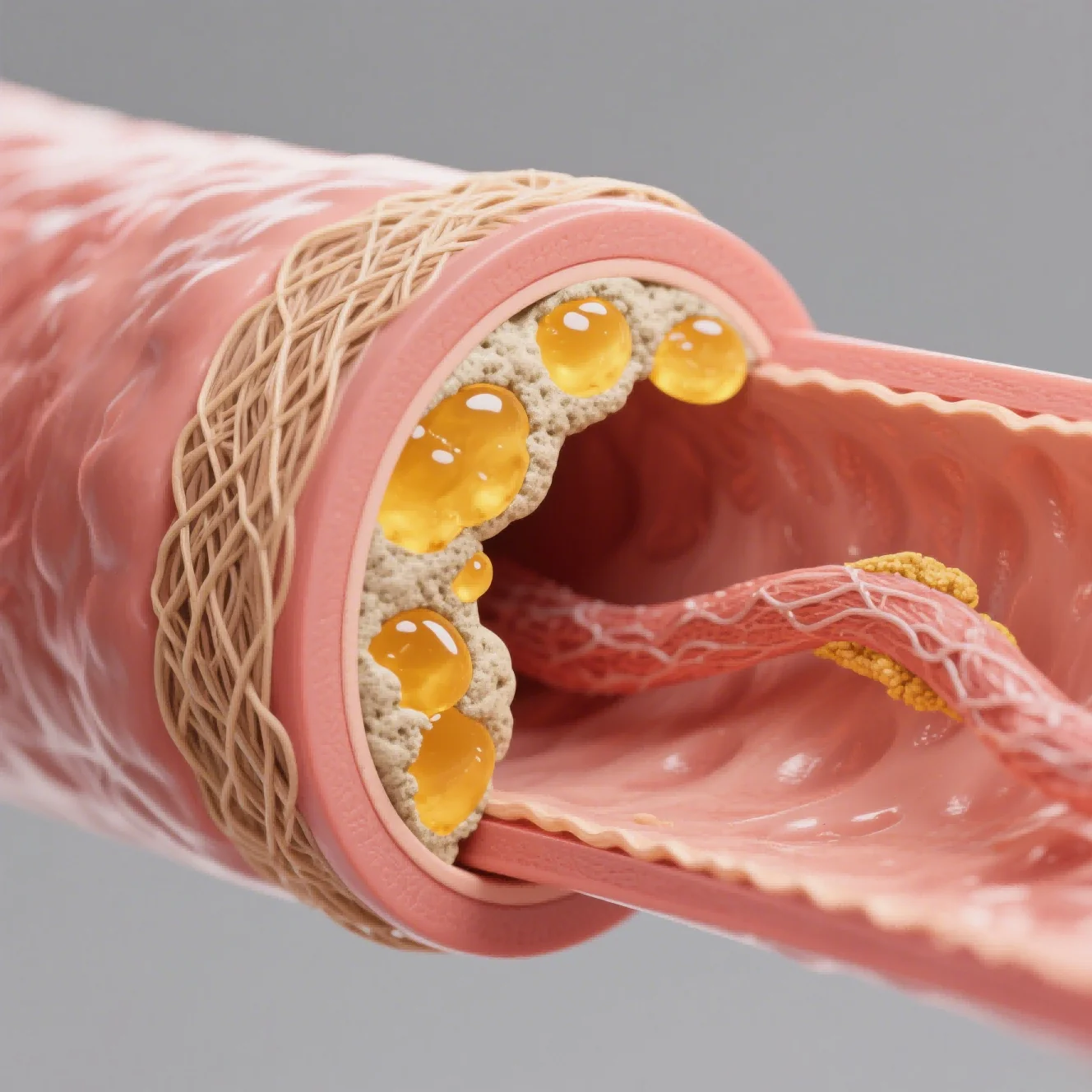
We choose metabolic disease mouse models by matching strain, induction method, disease stage, and endpoints to the research question. The study team matches the work to

We use metabolic disease rat models for longitudinal programs that need repeated sampling, imaging, or multi-organ assessment. The intended development decision determines the level of
The study team judges obesity animal models by how well they connect body composition and metabolic change to the drug mechanism. Biological relevance anchors every obesity

Inflammation and immunology disease models become informative when induction, pathway biology, and endpoints represent relevant aspects of human disease biology. We then connect in-life disease
Immunological disease-model platforms are most valuable when pathology, immune phenotyping, and longitudinal assessment must be interpreted together. We connect those readouts through documented methods, controls, and
Developers of therapies for autoimmune hematologic diseases need models that connect the therapy with the relevant immune compartment, disease mechanism, and translational readout. We evaluate that
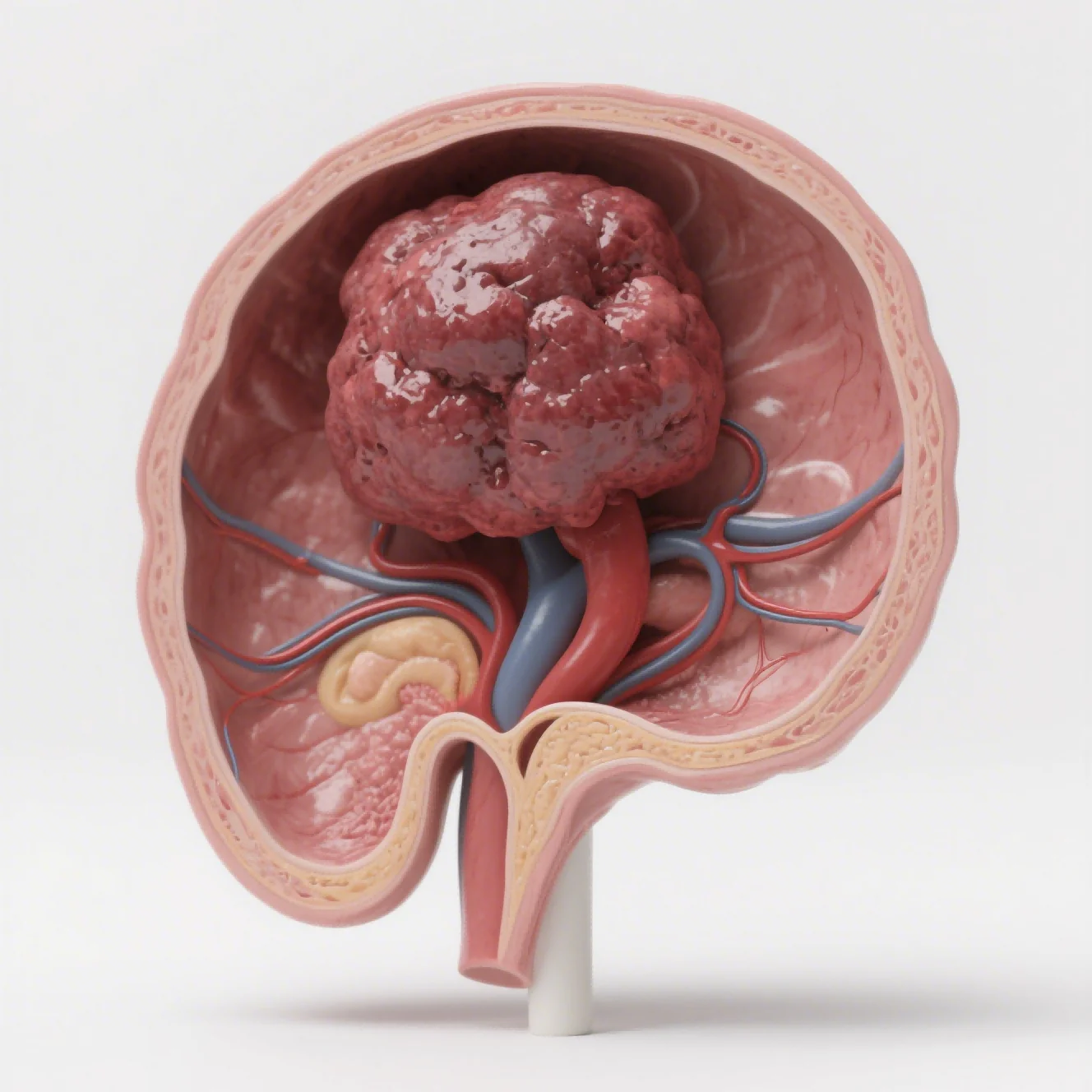
The study team uses the term in situ tumor model for preclinical systems that place tumor material in its anatomically relevant location, not for work performed