On August 24, GSK announced that its antisense oligonucleotide (ASO) drug Hibsago (bepirovirsen) had been approved by Japan’s Ministry of Health. For the functional cure of adult patients with chronic hepatitis B who have been treated with nucleos(t)ide analogues for a minimum of 6 months and satisfy predefined virological criteria: HBsAg ≤ 3000 IU/mL and HBV DNA < 90 IU/mL.This is the first functional cure for hepatitis B approved anywhere in the world.
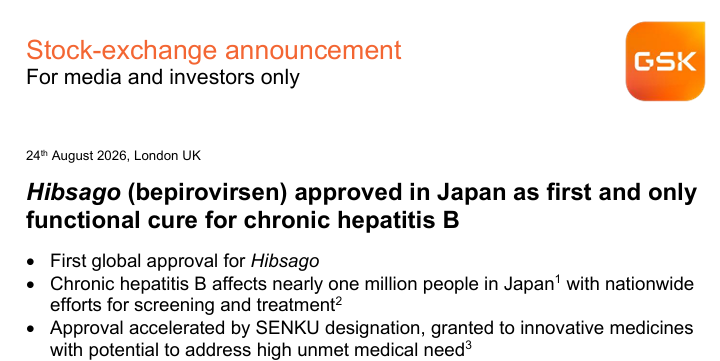
The weight of this news has to be understood from where hepatitis B treatment stands today. At present, about 254 million people worldwide are living with chronic hepatitis B, and China accounts for about 75 million of them. But the existing standard treatments, such as entecavir and tenofovir, can only strongly suppress viral replication — they cannot clear the virus itself. Functional cure rates are below 1%, and once patients start taking these drugs, they generally stay on them for life.
What functional cure means is that, after treatment is stopped, HBV DNA and hepatitis B surface antigen (HBsAg) remain undetectable in the blood, and the disease comes under the control of the patient’s own immune system. Don’t underestimate this step — medical literature shows that HBsAg clearance is closely linked to a reduction in liver cancer risk of up to 89% and a 62% reduction in all-cause mortality.
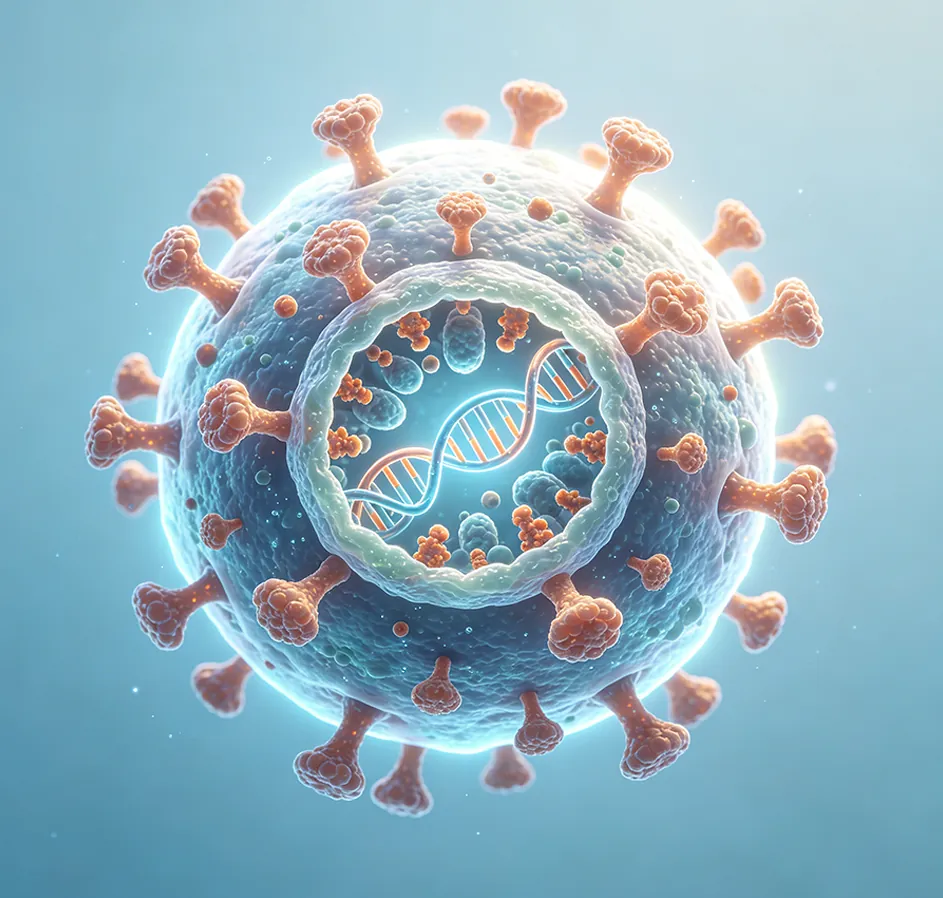
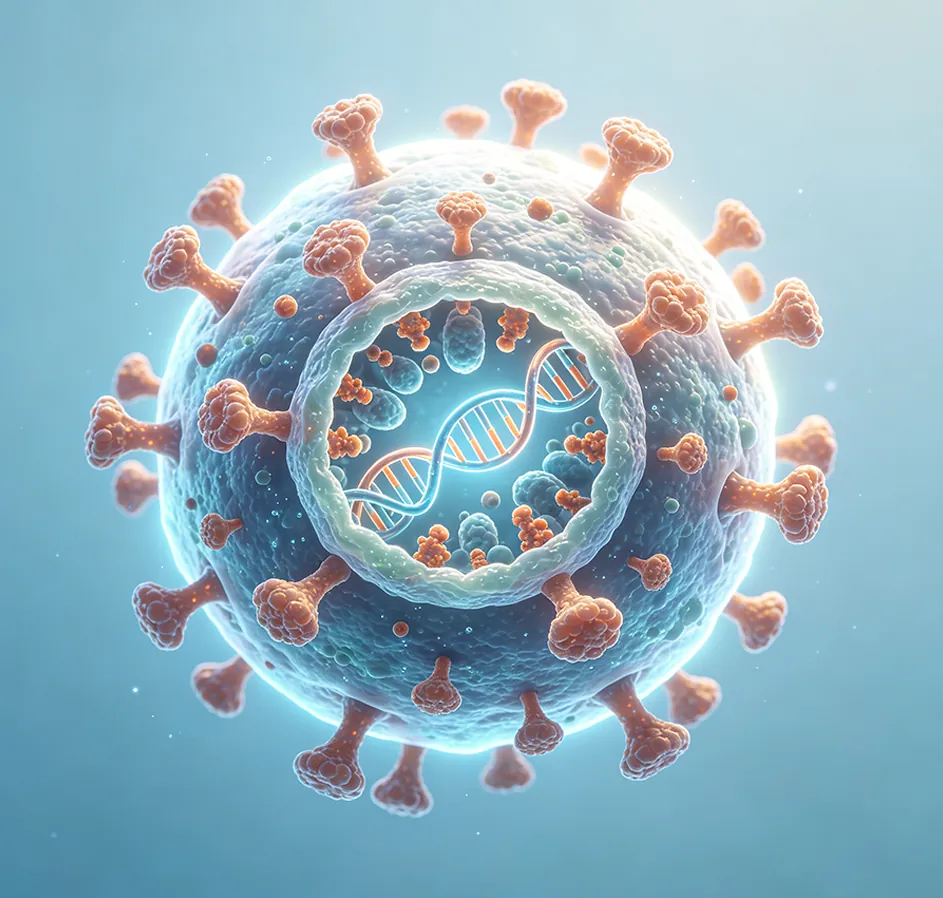
Bepirovirsen achieves this through an approach completely different from that of the old drugs. It is an ASO with a triple mechanism: it directly degrades viral RNA and inhibits viral replication, pushing down HBsAg levels in the blood, while at the same time awakening a durable immune response against the virus. The logic of the old drugs is “suppress only, never clear”, whereas this drug makes “a finite course of treatment that achieves functional cure” possible for the first time.
The efficacy data come from two global Phase III trials, B-Well 1 and B-Well 2, which covered 29 countries and more than 1,800 patients, and the results were published at the same time in The New England Journal of Medicine: functional cure was achieved in 19% of the overall population (233/1220), versus 0 in the placebo group; among people with baseline HBsAg ≤ 1000 IU/mL (about 45% of diagnosed patients worldwide) the rate reached 26%; the China subgroup did even better, at 24%–35%. By comparison, the functional cure rate with current standard treatment is still under 1%. There were no surprises on safety: the common adverse events were erythema at the injection site, local pain and transient elevations in liver enzymes.
On the approval timeline, Japan got there first, and other markets are also in the queue: the US FDA has granted priority review and breakthrough therapy designation, with a review decision expected in October this year; in the EU, a marketing application was submitted in March; in China, the drug was included in the breakthrough therapy programme back in 2021, its marketing application was accepted and placed under priority review in March this year, and after a notification letter was received in May it has been resubmitted and is currently under review. On the commercial side, Chia Tai Tianqing reached an exclusive partnership with GSK on May 11, under which it will handle promotion and sales of this product in mainland China.
For the industry, this drug reaching the finish line validates the feasibility of the R&D route of “reducing antigen load + restoring immune control”, and the momentum of the small nucleic acid (ASO/siRNA) field will continue. And as similar pipelines increase in number, demand will also grow for preclinical work such as HBV disease models and the efficacy and safety evaluation of nucleic acid drugs — a direction worth the attention of preclinical CROs.