
Metabolic disorders develop through interconnected changes in energy balance, glucose regulation, lipid handling, inflammation, and organ function, so model selection cannot rest on a single disease label. The choice of an Animal model of metabolic disease depends on its pathological characteristics, time course, responsiveness to treatment, and measurable endpoints.
A system that works well for obesity research may provide limited insight into progressive hepatic fibrosis, while a glucose-focused model may not capture the tissue remodeling associated with chronic liver disease. Our work at Jennio Biotech therefore begins with the biological question behind a study, using disease characteristics and intended readouts to shape the in vivo strategy rather than selecting a model solely because it is routinely used.
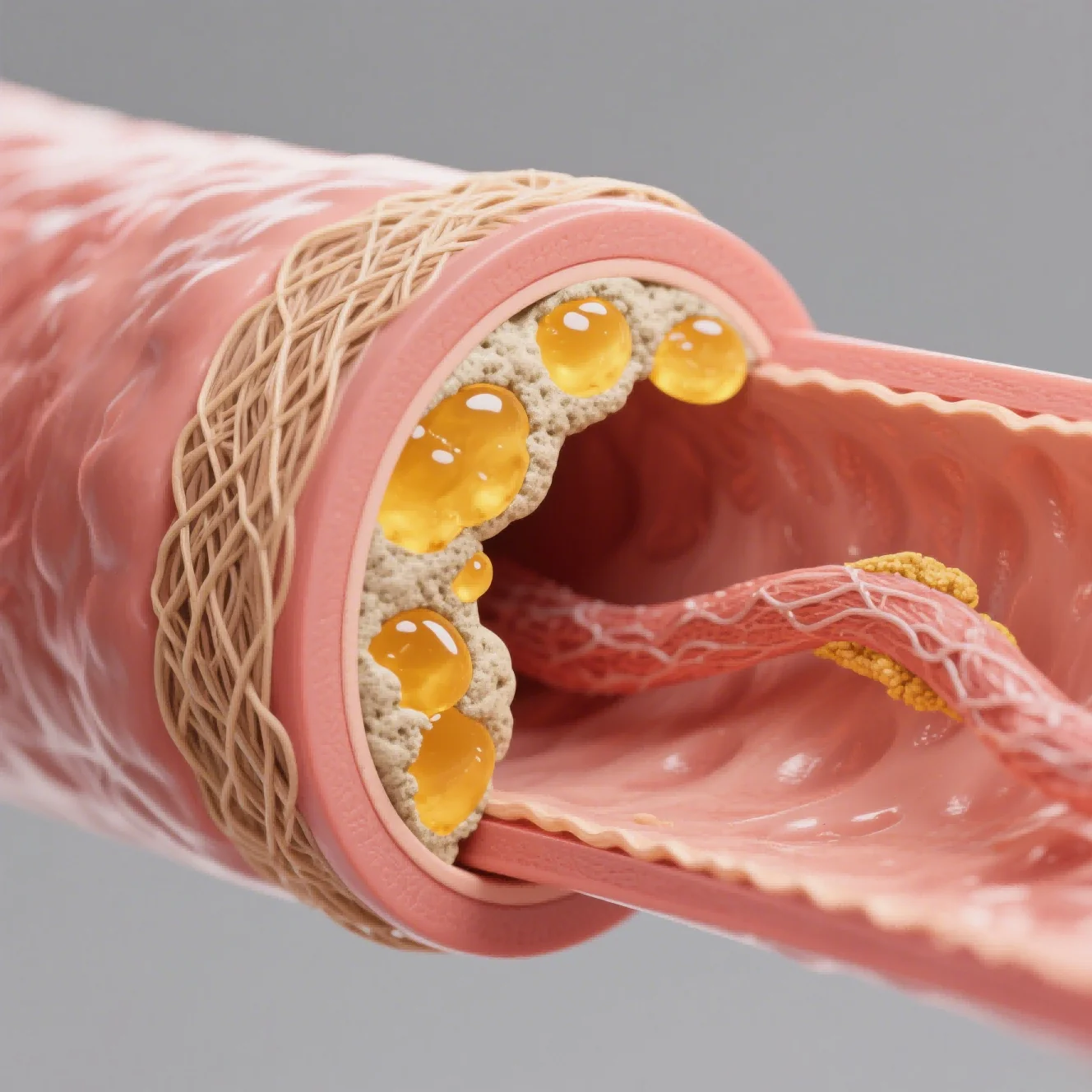
Start with the Disease Phenotype
The first distinction concerns what aspect of metabolic disease needs to be reproduced. Obesity research may center on body-weight gain, adiposity, energy metabolism, and insulin resistance, whereas type 2 diabetes studies can require stronger emphasis on glucose homeostasis, pancreatic function, and insulin sensitivity. These differences affect both model choice and the way treatment response should be interpreted.
NASH introduces another layer of complexity because hepatic steatosis alone does not represent the full pathological spectrum. Researchers may need to examine hepatocellular injury, inflammation, lipid accumulation, and progressive tissue changes. A model should consequently be judged by the specific phenotype it reproduces rather than by its disease label alone.
Liver fibrosis requires still different considerations. Fibrotic progression involves extracellular matrix deposition, activation of fibrogenic cells, and structural remodeling that may develop over an extended period. Short-term metabolic changes cannot substitute for direct assessment of these pathological processes.
Consider Species and Experimental Context
Mice and rats each offer practical advantages for metabolic research, yet their physiological characteristics are not interchangeable. Differences in body size, blood-volume availability, metabolism, feeding behavior, and sampling requirements can affect study design, especially in experiments involving repeated measurements or extended treatment periods.
The method used to establish disease also shapes the resulting phenotype. Genetic susceptibility can reproduce specific metabolic traits, while dietary manipulation may provide a different route toward obesity, insulin resistance, or hepatic abnormalities. Researchers should identify whether the study requires a specific genetic alteration, a diet-induced phenotype, or a combination of induction methods..
Duration matters just as much. Some metabolic abnormalities develop relatively quickly, whereas fibrosis and advanced organ pathology may require longer observation. A model that produces a measurable phenotype rapidly is not necessarily the most informative option if the research question concerns disease progression or chronic tissue remodeling.
Match Endpoints to the Research Question
One of the common weaknesses in metabolic drug studies is relying too heavily on a single measurement. Body weight, blood glucose, or liver enzymes can provide useful information, but none of these alone describes the entire therapeutic response. A set of complementary endpoints can help determine whether a compound changes systemic metabolism, organ pathology, or both.
Biochemical testing may assess glucose, insulin, lipids, liver enzymes, or other disease-associated markers. Histopathology can add information about tissue structure, inflammatory infiltration, steatosis, or fibrosis. Imaging, meanwhile, may offer longitudinal information that is difficult to obtain from terminal measurements alone.
These complementary methods make animal models of metabolic disease more informative when they are selected around a predefined hypothesis. If the candidate is expected to affect hepatic lipid metabolism, for instance, the study should contain endpoints capable of demonstrating changes in the liver rather than relying exclusively on body-weight variation.
Evaluate Model Quality Beyond the Phenotype
A visible disease phenotype does not automatically make a model suitable for drug development. Researchers should examine baseline variability, disease severity, treatment responsiveness, sampling feasibility, and the consistency of relevant pathological features. These factors influence how confidently treatment groups can be compared.
Another consideration is whether the model can support multiple stages of investigation. Early screening may require practical and relatively straightforward measurements, while later studies can demand detailed pathology, biochemical analysis, imaging, or mechanism-related assessments. Selecting a model compatible with the planned assessments can help limit avoidable changes to the study designlater.
At Jennio Biotech, we support studies using mouse and rat models for obesity, type 2 diabetes, NASH, and liver fibrosis, with study support covering efficacy evaluation, histopathology, biochemical analysis, and imaging endpoints. Rather than presenting these models as interchangeable options, we consider the disease phenotype and planned measurements together so that the experimental system fits the intended research purpose.
Build A Decision Framework for Drug Evaluation
A candidate’s mechanism of action should influence model selection from the outset. Compounds targeting glucose regulation may require endpoints that assess glycemic control, while therapies directed towards hepatic inflammation or fibrosis need evidence from tissue-level changes. Matching pharmacological hypotheses with appropriate measurements can make efficacy findings more interpretable.
Translational relevance deserves separate consideration. No experimental system reproduces every aspect of human metabolic disease, particularly because disease progression can involve genetics, lifestyle, immune regulation, and environmental factors. Researchers should identify which human disease features are represented and treat other aspects as questions requiring complementary evidence.
Good study planning also considers what decision must follow the experiment. A screening study may ask whether a candidate warrants further evaluation; a later investigation might examine dose response, mechanism, or changes in disease pathology.. Animal models of metabolic disease become most useful when their design is connected to that decision rather than selected independently from the broader development strategy.
Conclusion
Selecting an in vivo metabolic system is less about finding a universally suitable model and more about defining what the experiment needs to reveal. Disease phenotype, species, induction method, study duration, endpoint selection, and pharmacological mechanism all influence the value of the resulting data. A model that appears appropriate on paper may still be unsuitable if its measurable characteristics do not correspond with the research hypothesis.
We at Jennio Biotech approach this challenge by combining disease-relevant mouse and rat systems with multiple analytical options, giving researchers a more structured basis for evaluating candidates across obesity, diabetes, NASH, and liver fibrosis studies.