Guangzhou Jennio Biotech Co., Ltd. — Preclinical Contract Research Organisation
Prepared for: Microsoft Advertising — Bing Ads account and website review
Issued by: Guangzhou Jennio Biotech Co., Ltd., Guangzhou, China
Document date: 20 September 2026
Website: https://www.jennio-bio.com/
Status: Issued for review
Contents
Statement for Review (Short Form)
- Purpose and Scope
- Company Profile
- Governance and Ethical Review
- Regulatory Framework and Standards
- The 3R and 4R Principles in Practice
- Housing, Husbandry and the Five Freedoms
- Programmes Involving Non-Human Primates
- Anaesthesia, Analgesia and Humane Endpoints
- Euthanasia
- Personnel Qualifications, Training and Competence
- Oversight, Transparency and Records
- Declaration
Appendix A. Key Standards and References
Appendix B. Contact Information
| Statement for Review (Short Form) |
| Guangzhou Jennio Biotech Co., Ltd. (Jennio Biotech) is a preclinical contract research organisation (CRO) providing in vitro and in vivo efficacy evaluation, disease-model development, and non-GLP pharmacology and toxicology services. A limited and scientifically necessary part of this work involves studies in animals, including non-human primates. Every animal-based study we perform is governed by a formal animal welfare and ethics programme, and all animal procedures are reviewed and approved in advance by an independent institutional animal care and use committee (IACUC). We operate AAALAC International–accredited animal facilities and apply the internationally recognised 3R and 4R principles — Replacement, Reduction, Refinement and Responsibility — together with the Five Freedoms. Animals are held in SPF-certified, environmentally enriched facilities under the continuous care of qualified veterinarians, and are provided with appropriate anaesthesia, analgesia and defined humane endpoints. No animal is used for cosmetic testing, and all animals are obtained from licensed, legally compliant breeding facilities. Our programme is implemented in accordance with Chinese national standards GB/T 35892-2018 and GB/T 42011-2022, and is aligned with the Guide for the Care and Use of Laboratory Animals (NRC, 8th edition), the AVMA Guidelines for the Euthanasia of Animals (2020 edition) and the principles of EU Directive 2010/63/EU. Supporting documentation, including ethics committee approvals and facility accreditation certificates, is available on request. |
1. Purpose and Scope
This statement sets out Jennio Biotech’s binding commitments on the ethical review, care, use and welfare of animals involved in the research services we provide to our clients. It applies to all studies conducted at our own facilities, to all personnel (employees, contractors and visiting researchers) who handle animals, and to all animals housed or used on our sites — including rodents, rabbits and non-human primates.
We publish this statement because we believe transparency is a precondition for public and scientific trust. We accept that the use of animals in biomedical research carries a serious moral responsibility, and that such use is justified only where it is legally permitted, scientifically necessary, ethically reviewed, and performed to the highest achievable welfare standard.
2. Company Profile
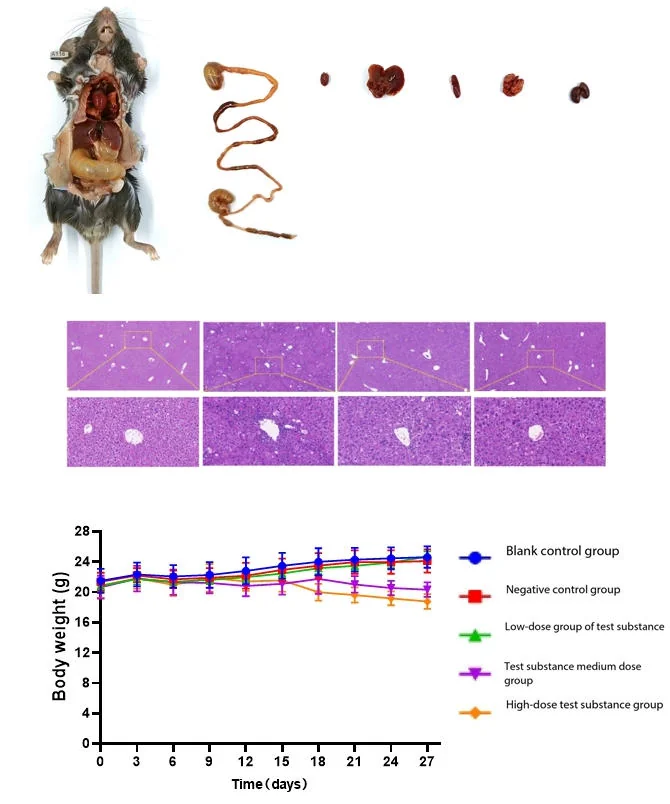
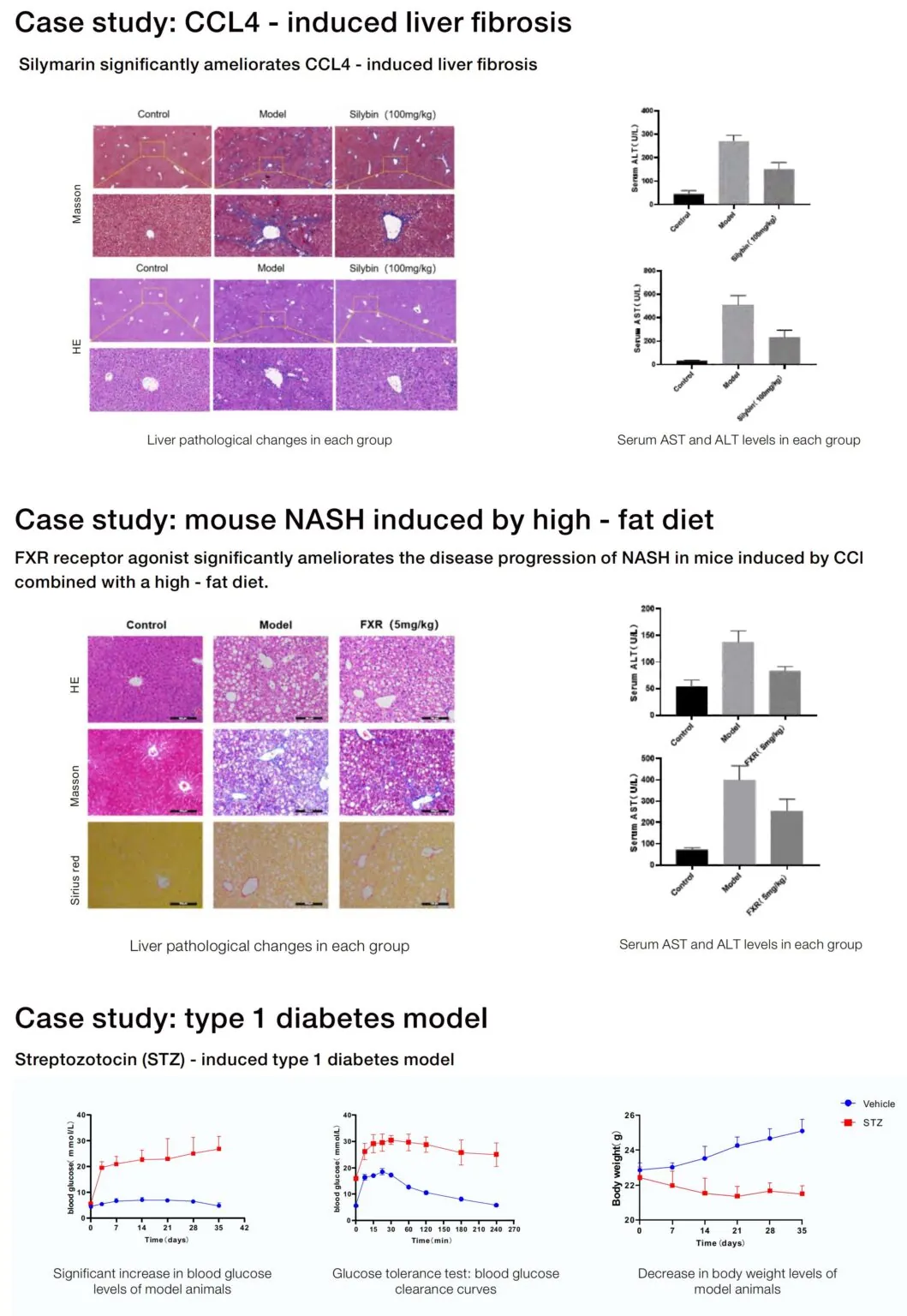
Jennio Biotech is a specialised preclinical efficacy CRO and drug evaluation platform based in Guangzhou, China. Our integrated research capabilities include:
| Capability | Description |
| In vitro efficacy research | Cell-based screening, tool-cell customisation and cell function studies supported by GMP-compliant cell banks |
| In vivo efficacy research | Customised disease models and efficacy evaluation, including oncology and immuno-oncology models |
| Pharmacology and toxicology | Non-GLP pharmacology and toxicology assessment |
| Model resources | 1,000+ validated tumour cell lines, 500+ CDX and 300+ PDX models |
| Facilities | ISO Class 7 cleanrooms, ABSL-2 / BSL-2 laboratories, 2,000 m² of operational space, SPF-certified animal centre |
Approximately 2,000 m² of our operational space is dedicated to animal-based studies, with capacity to run concurrent studies in up to 150 non-human primates alongside rodent and other model species. Because our research portfolio includes non-human primate studies, we hold ourselves to welfare standards at least as stringent as those applied in the major regulated markets.
3. Governance and Ethical Review
Animal welfare at Jennio Biotech is governed by a standing Institutional Animal Care and Use Committee (IACUC), also referred to as the Animal Welfare and Ethics Committee. The committee operates independently of the commercial teams and includes veterinary, scientific and non-affiliated lay representation, in line with internationally accepted practice.
The committee’s responsibilities and authority include:
- Prospective review— No animal procedure may begin until a written protocol has been reviewed and formally approved. The committee assesses scientific justification, the necessity of animal use, species selection, the number of animals requested, housing and husbandry arrangements, anaesthesia and analgesia, humane endpoints, and the competence of the personnel named in the protocol.
- Powers of amendment and refusal— The committee may require protocol modifications, impose additional welfare conditions, request further reduction in animal numbers, or refuse approval outright where justification is insufficient.
- Continuing oversight— Approved protocols are subject to periodic re-review and to amendment control. Any significant change to procedure, species or animal numbers requires prior re-approval.
- Facility inspection— Committee members conduct scheduled and unscheduled inspections of animal housing and procedure areas.
- Adverse event review— Unexpected animal deaths, welfare incidents or deviations from approved protocols are reported, investigated and reviewed, with corrective actions documented and tracked to closure.
- Authority to intervene— Any committee member, veterinarian or member of animal care staff has the authority and the obligation to stop a procedure that endangers animal welfare, and to report the matter to the committee.
Ethics approvals, inspection records and committee minutes are retained and are available to clients and to regulatory reviewers on request.
4. Regulatory Framework and Standards
Our animal care and use programme is implemented in accordance with the following framework:
- Chinese national standards— GB/T 35892-2018, Laboratory animals — Guideline for ethical review of animal welfare, and GB/T 42011-2022, Laboratory animals — General code of animal welfare (effective 30 December 2022), together with the applicable GB 14925 facility and environment standard and the requirements of the Regulations for the Administration of Laboratory Animals.
- Facility accreditation— Our animal facilities are accredited by AAALAC International (Association for Assessment and Accreditation of Laboratory Animal Care), an independent international accreditation body that evaluates animal care and use programmes against published performance standards.
- International guidance adopted by reference— The Guide for the Care and Use of Laboratory Animals (National Research Council, 8th edition); the AVMA Guidelines for the Euthanasia of Animals (2020 edition); the ARRIVE Guidelines for reporting animal research; the principles of EU Directive 2010/63/EU on the protection of animals used for scientific purposes; and Chapter 7.8 of the OIE Terrestrial Animal Health Code on the use of animals in research and education.
- Other applicable requirements— Where a client’s study is intended for submission in a specific jurisdiction, we additionally apply the animal welfare requirements of that jurisdiction as a matter of contract, including United States Public Health Service policy, the Animal Welfare Act and its regulations, and equivalent requirements in other markets.
5. The 3R and 4R Principles in Practice
The internationally recognised 3Rs — Replacement, Reduction and Refinement — form the ethical foundation of our experimental design. We also apply the extended 4R framework by adding Responsibility, which places a continuing ethical obligation on researchers and on the institution.
| Principle | Our commitment in practice |
| Replacement | In vitro, ex vivo, organoid and in silico approaches are considered first and used wherever they can validly answer the research question. Animal use is permitted only where no scientifically valid non-animal alternative exists. We operate an extensive cell-line, CDX and PDX platform precisely to support non-animal and reduced-animal screening. |
| Reduction | Animal numbers are justified statistically before approval. Experimental designs are reviewed for power and efficiency; data sharing, tissue sharing and biobanking are used to avoid duplicate cohorts; pilot and dose-ranging work is used to avoid redundant full studies. |
| Refinement | Housing, handling, restraint, dosing, sampling and surgical procedures are continuously refined to minimise pain, suffering, distress and lasting harm. Non-invasive and minimally invasive methods — including in vivo imaging — are preferred over terminal procedures. Anaesthesia and analgesia are used routinely rather than exceptionally. |
| Responsibility | Named investigators, veterinary staff and facility management accept personal and institutional accountability for every animal used. Responsibility extends to training, competence assessment, transparent reporting, and honest communication with clients and regulators. |
Every protocol submitted to the IACUC must state explicitly how each of these principles has been addressed, and how animal numbers were derived.
6. Housing, Husbandry and the Five Freedoms
We are committed to the Five Freedoms: freedom from hunger and thirst; freedom from discomfort; freedom from pain, injury and disease; freedom from fear and distress; and freedom to express normal behaviour.
Our animal facilities are SPF-certified and operate at biological safety levels up to ABSL-2 / BSL-2, with ISO Class 7 environmental control. Within these facilities:
- Environment— Temperature, humidity, ventilation, lighting and photoperiod are monitored and controlled within the ranges required by the applicable standards. Cages, pens and enrichment are appropriate to the species, age and physiological state of the animals.
- Social housing— Social species, including non-human primates, are housed in compatible social groups by default. Individual housing is permitted only where it is scientifically or veterinarily justified, is time-limited, and is approved by the attending veterinarian.
- Environmental enrichment— Enrichment programmes are species-specific and include nesting material, shelters, manipulanda, foraging devices, perches and social interaction. Enrichment is reviewed regularly and modified where it is not effective.
- Nutrition and hydration— Animals receive species-appropriate, quality-controlled diets and continuous access to clean water. Food or fluid restriction, where scientifically required, is time-limited, monitored and approved in advance.
- Veterinary care— A qualified attending veterinarian with laboratory animal medicine expertise is responsible for the health and welfare of all animals, with access to the animals at all times. Routine health surveillance, pathogen monitoring and preventive medicine programmes are in place. Any animal showing signs of illness or injury is examined and treated without delay.
- Acclimatisation— Animals are given an acclimatisation period before procedures begin, to reduce stress associated with transport and a new environment.
- Identification and records— Animals are individually identified where required, and husbandry, health, treatment and procedure records are maintained for each animal or group.
7. Programmes Involving Non-Human Primates
We recognise that non-human primates have complex social, cognitive and behavioural needs and require a higher and more specific standard of care. Accordingly:
- Sourcing— Non-human primates are obtained only from established, licensed breeding facilities with documented health and genetic histories. We do not use wild-caught primates. Sourcing complies with applicable national laws, with CITES requirements where relevant, and with the client’s jurisdictional requirements.
- Social and psychological well-being— Primates are pair- or group-housed unless individually justified on veterinary or scientific grounds. Environmental enrichment, foraging opportunities, structural complexity and social contact are provided to support psychological well-being.
- Handling and restraint— Positive reinforcement training and habituation are used wherever possible to reduce stress during handling and routine procedures. Physical restraint is kept to the minimum necessary and is performed by trained personnel only.
- Veterinary expertise— Primate colonies are supported by veterinary staff with specific training and experience in non-human primate medicine, anaesthesia and surgery, and are subject to a dedicated health monitoring programme.
- Review intensity— Primate protocols undergo the most rigorous level of IACUC review, including explicit assessment of scientific necessity, refinement of procedures, and end-of-study plans.
8. Anaesthesia, Analgesia and Humane Endpoints
- Pain and distress classification— Every procedure is classified in advance for its expected level of pain, suffering or distress, and the classification determines the level of anaesthesia, analgesia and monitoring required.
- Anaesthesia and analgesia— Surgical and otherwise painful procedures are performed under general or local anaesthesia, administered by or under the direction of trained personnel. Post-operative and ongoing analgesia is provided for as long as pain is expected to persist. Neuromuscular blocking agents are never used without concurrent general anaesthesia.
- Monitoring— Anaesthetised animals are monitored for depth of anaesthesia and physiological stability; recovery is supervised.
- Humane endpoints— Written, objective humane endpoints are defined in each protocol before the study begins, including specific clinical, behavioural and body-weight criteria. Animals reaching a humane endpoint are treated, removed from the study, or humanely euthanised without delay — whichever best serves the animal’s welfare. Death as an endpoint is not permitted where a humane endpoint can be used instead.
- Avoidance of unnecessary suffering— Any procedure causing severe and unavoidable pain or distress is prohibited unless it is subject to exceptional, documented ethical and scientific justification and specific committee approval.
9. Euthanasia
When euthanasia is necessary, it is performed by trained and competent personnel using methods consistent with the AVMA Guidelines for the Euthanasia of Animals (2020 edition) and with applicable Chinese standards. Methods are selected to be rapid, reliable and free from avoidable pain or distress, with confirmation of death as a required final step. Euthanasia is performed in a manner that minimises distress to other animals present.
10. Personnel Qualifications, Training and Competence
No person is permitted to handle or perform procedures on animals until their competence has been assessed and documented. Our personnel programme includes:
- structured induction and species-specific training in animal handling, husbandry, aseptic technique, anaesthesia, analgesia, surgery, dosing, sampling and euthanasia;
- documented competence assessment by supervisory and veterinary staff before independent work, with periodic re-assessment;
- mandatory continuing education in animal welfare, ethics and the 3Rs;
- occupational health and safety provisions, including zoonosis prevention and allergen control, to protect both staff and animals;
- a requirement that visiting researchers and client personnel work under supervision and only within the scope of an approved protocol.
11. Oversight, Transparency and Records
- Internal oversight— The IACUC, the attending veterinarian and facility management jointly monitor compliance with this statement and with approved protocols.
- Documentation— We retain ethics approvals, protocol records, training records, health and husbandry records, and inspection and incident reports for the periods required by law and by our clients’ quality agreements.
- External review— Our facilities and programme are subject to external review through AAALAC International accreditation and other applicable audit processes. We cooperate fully with regulatory inspections.
- Client disclosure— Clients commissioning animal studies receive full information on ethics approval, housing conditions, welfare provisions and study design, and may request copies of relevant documentation.
- Continuous improvement— Findings from inspections, incidents and external reviews are used to revise our policies, training and facility practice. This statement is reviewed periodically and updated as standards and best practice evolve.
12. Declaration
Guangzhou Jennio Biotech Co., Ltd. affirms that the animal care and use programme described in this statement reflects the standards applied in the conduct of our business, and that animal-based studies are performed only where scientifically justified, legally permitted and approved in advance by an independent ethics committee. We confirm that no animal is used for cosmetic testing or for any purpose prohibited by applicable law.
Appendix A. Key Standards and References
| Reference | Application |
| GB/T 35892-2018, Laboratory animals — Guideline for ethical review of animal welfare | Ethical review of animal protocols |
| GB/T 42011-2022, Laboratory animals — General code of animal welfare | General welfare, sourcing, husbandry, supervision and personnel requirements |
| GB 14925, Laboratory animals — Requirements of environment and housing facilities | Facility and environmental standards |
| AAALAC International accreditation | Independent international evaluation of the animal care and use programme |
| Guide for the Care and Use of Laboratory Animals (NRC, 8th edition) | Housing, husbandry, veterinary care and programme governance |
| AVMA Guidelines for the Euthanasia of Animals (2020 edition) | Euthanasia methods and confirmation of death |
| ARRIVE Guidelines | Reporting standards for in vivo research |
| EU Directive 2010/63/EU | Principles for the protection of animals used for scientific purposes |
| OIE Terrestrial Animal Health Code , Chapter 7.8 | International reference on the use of animals in research and education |
Appendix B. Contact Information
Guangzhou Jennio Biotech Co., Ltd.
Room 238, Building A, Guangzheng Science and Technology Park, No. 11 Nanyunwu Road, Huangpu District, Guangzhou, Guangdong Province, China
Website: https://www.jennio-bio.com/
Email: administrator@jennio-bio.com
Telephone: [WhatsApp/WeChat:+86 18802035152、+86 20 29185636]
Requests for ethics committee approvals, facility accreditation documentation