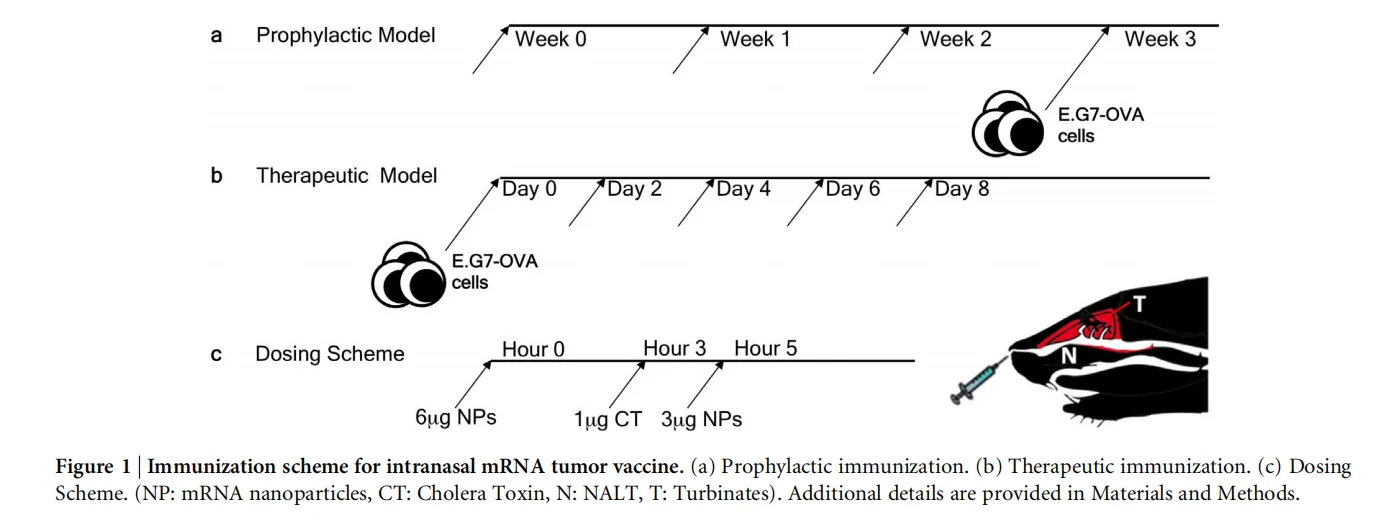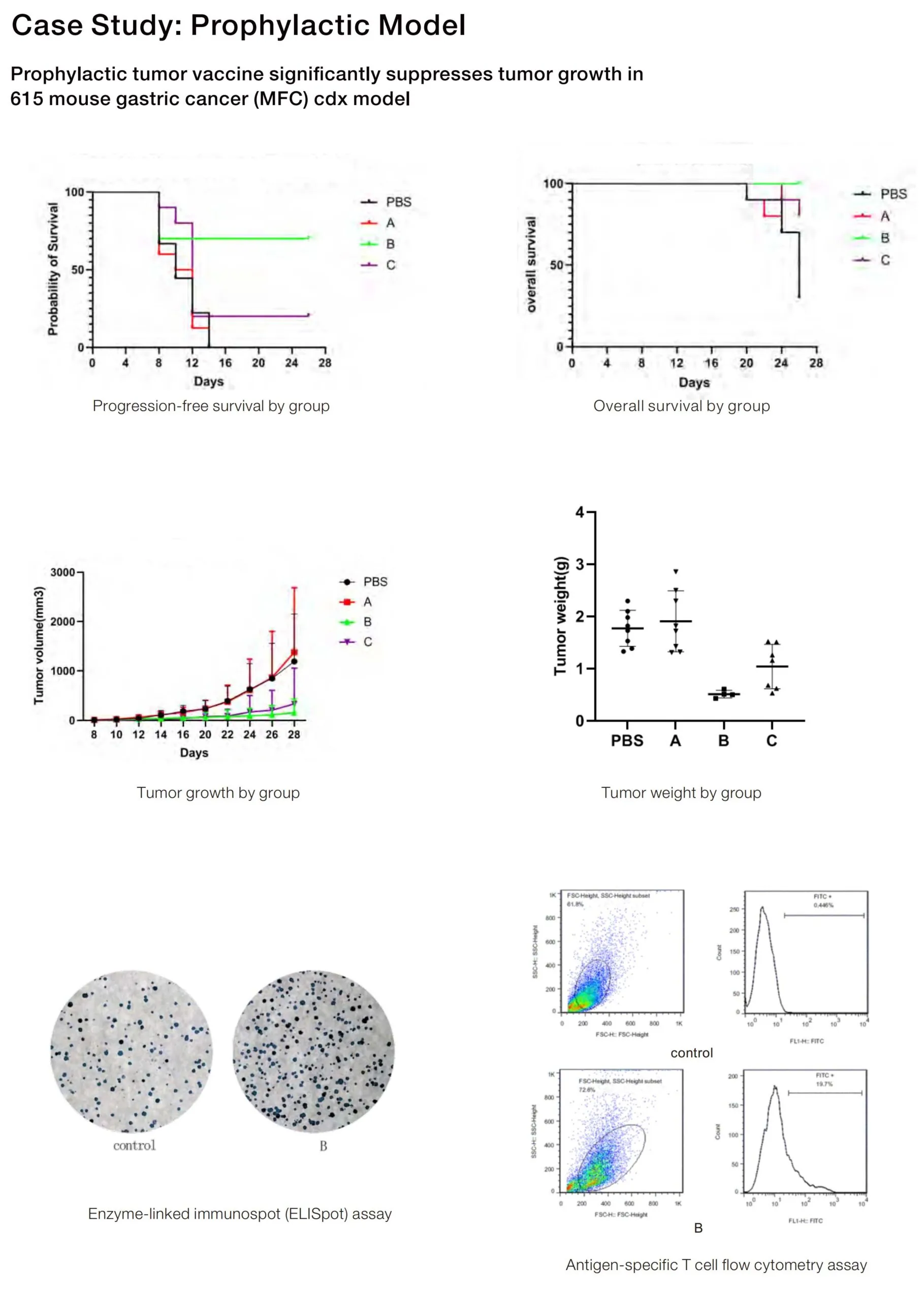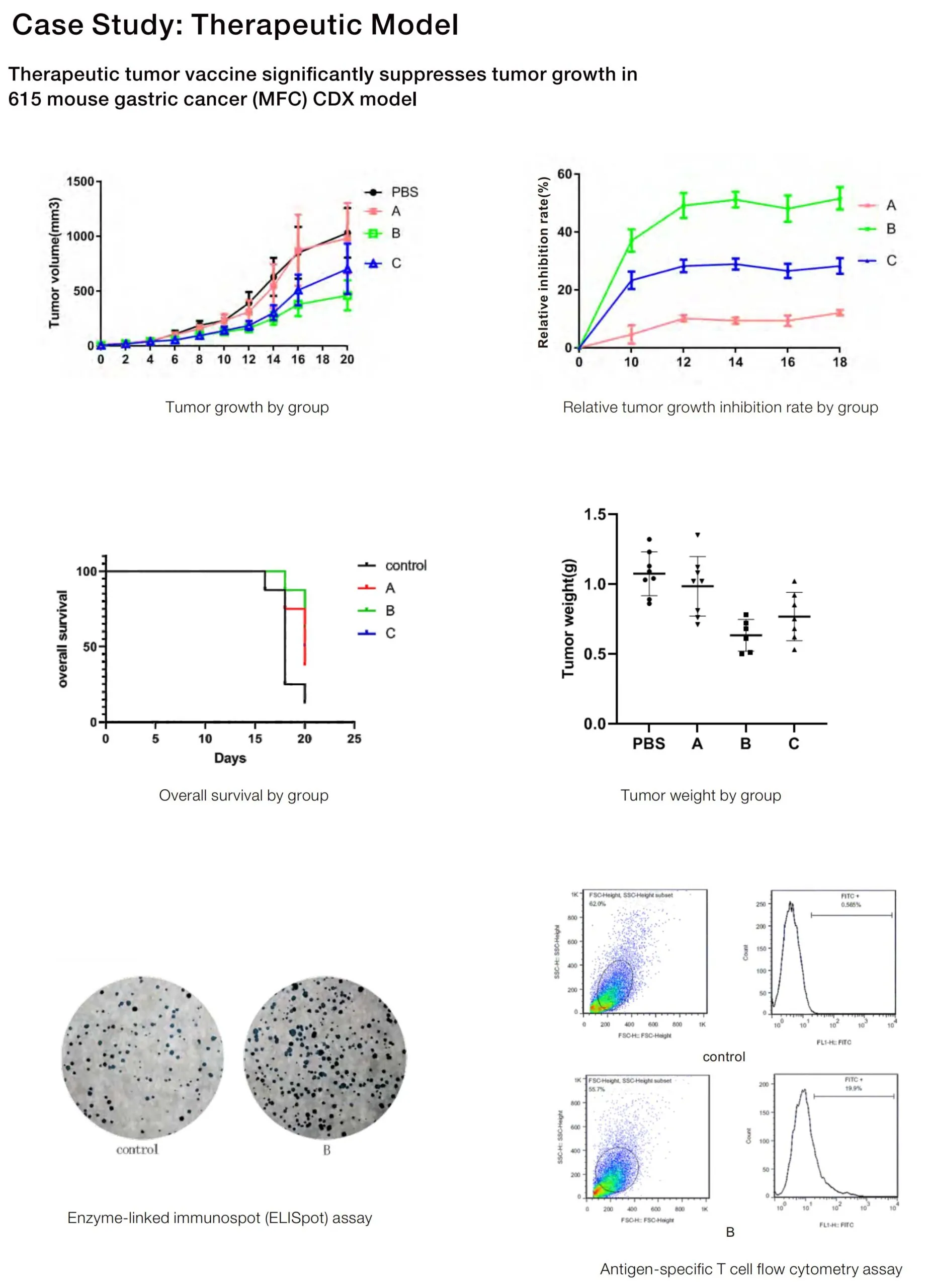

Humanized target gene tumor vaccine model

Humanized target gene tumor vaccine model

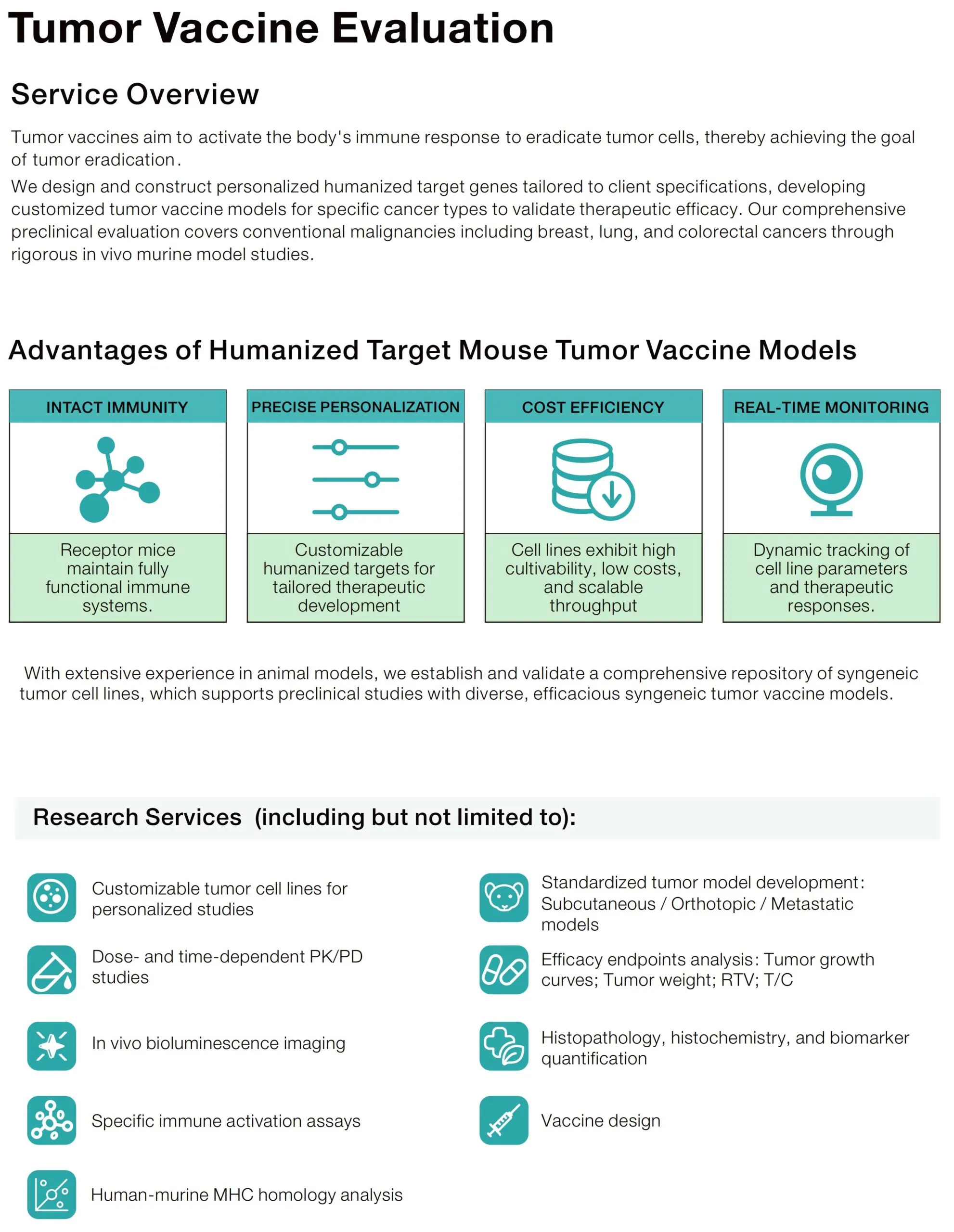
Tumor vaccines are designed to activate the autoimmune response to eliminate tumor cells, achieving the goal of eradicating tumors.The mouse tumor vaccine model for humanized target gene involves the insertion of optimized humanized target genes into mouse tumor cell lines, allowing the expression of these target genes in the mouse tumor cell lines. Subsequently, these cell lines are subcutaneously implanted into mice. We can design multiple efficacy screening schemes based on the various tumor vaccines provided by client.

Details

Breaking limitations of conventional models to accelerate clinical translation of novel tumor immunology drugs – Humanized target models empower precise efficacy evaluation.

1Service Overview

  • In tumor immunology drug discovery, traditional animal models fail to fully recapitulate the human immune microenvironment, resulting in a disconnect between preclinical data and clinical outcomes and high attrition rates in drug development.
  • Jennio Bio provides humanized tumor immune target models. At Jennio, highly humanized models are developed via human immune cell engraftment or gene editing, which accurately recapitulate human tumor-immune crosstalk, markedly improve the predictive power of drug efficacy, shorten development cycles, and reduce the risk of clinical failure.

2Our Services

Humanized Model Development

  • Immune System Humanization: Human PBMCs or CD34+ hematopoietic stem cells are implanted into immunodeficient mice to establish humanized immune systems (e.g., NCGhCD34+ model), which are used for the efficacy evaluation of immune checkpoint inhibitors (PD1/PDL1, CTLA4, etc.).
  • Target Gene Editing:
  • CRISPR Cas9 technology is applied to generate humanized target mice (e.g., hPD 1 knock in model). These models maintain intact mouse immune function while expressing human targets, and are suitable for evaluating bispecific antibodies, CAR T therapies, and other treatments.

Application Scenarios for Efficacy Evaluation

  • Immune Checkpoint Inhibitors: Evaluate tumor inhibition rate, immune cell infiltration, and dynamic changes in cytokines for monotherapy and combination regimens.
  • Cell Therapy: Monitor in vivo expansion, tumor killing, and toxic reactions (e.g., cytokine release syndrome) of CAR T/TCR T cells.
  • Cancer Vaccines: Quantify antigen specific T cell responses and long term immune memory (e.g., IFN γ secretion detected by ELISPOT).

3Technology Platforms and Advantages

Technology Platform

  • Third-generation immunodeficient mouse platform: BRGSF HIS mice, huHSC C NCG mice, etc. It supports the development of humanized models with high human cell chimerism, and the successful model establishment rate is >85%.
  • In vivo imaging system: Real-time monitoring of tumor growth and immune cell migration (e.g., dual tracing of fluorescence-labeled tumor cells and human T cells).

Differentiated Advantages

  • High clinical relevance: PDX models combined with humanized immune systems preserve patient tumor heterogeneity and immune microenvironment.
  • Multidimensional detection: Integrated flow cytometry (immune cell phenotyping) and multiplex immunohistochemistry (spatial phenotypic analysis) to provide comprehensive pharmacodynamic data.

4Service Process

  • Requirement Communication (1–3 working days) :Customize model design (target selection, cell source, detection endpoints).
  • Model Development (approx. 8 weeks; actual timeline for target humanized mice may vary): Immune cell transplantation / gene editing → Model validation (immune cell reconstitution level ≥ 30%).
  • Efficacy Study (6–8 weeks): Drug administration & treatment → In vivo imaging monitoring → Tissue collection and multi-omics analysis.
  • Data Delivery (2 weeks): Provide GLP-aligned report including raw data, statistical analysis, and interpretation recommendations.

5Quality Control and Compliance

  • Compliance Standards: All experimental procedures comply with AAALAC animal welfare guidelines and the ISO 9001 quality management system.
  • Data Traceability: Electronic laboratory notebooks (ELN system) are used throughout the entire process, supporting raw data review and third-party audits.

6Case Studies

Case 1: Evaluation of PD-1 Antibody Combination Therapy
  • Model: BRGSF-HIS mice implanted with human lung cancer CDX model.
  • Results: The combination group achieved a tumor growth inhibition (TGI) rate of 78%, and significantly increased CD8+ T cell infiltration (flow cytometry data showed a 3 fold increase).
  • Charts: Tumor growth curve, immune cell infiltration heatmap.

Model experiment flowchart

7Collaboration Advantages

  • Full-cycle Support: One-stop solutions from target validation to IND filing.
  • Efficient Delivery: Standardized processes reduce experimental timelines by 30%; urgent projects are prioritized.
  • Optimized Costs: Shared model library lowers per-project costs, with phased payment options available.

8FAQ

  • Q:Is a dual humanized model (tumor + immune) supported?

A: Yes! We can simultaneously engraft patient-derived tumor tissue (PDX) and autologous immune cells to highly recapitulate the individualized tumor microenvironment.

  • Q:Is data delivery compliant with regulatory requirements?

A: All studies are performed in accordance with GLP-aligned standards, and the data can be directly used for FDA/EMA submissions.

9Laboratory Highlights

    • SPF Facility: 5,000 cage capacity with dedicated barrier isolation rooms.
    • High-Throughput Platform: Flow cytometer (5-laser configuration), multi-spectral in vivo imaging system.
    • View Full Laboratory Panorama:

10Contact Us

  • Tel: +86 18802035152
  • Email: 3691125803@qq.com

Limited-time Offer:

  • Free access to the Technical White Paper on Tumor Immune Model Development.
  • Book an expert consultation and enjoy 10% off your first order.

Listen to the voice of every customer

Share details of your inquiry, and we’ll contact you shortly.​

Contact us

Room 238, Building A, Guangzheng Science and Technology Park, No. 11 Nanyunwu Road, Huangpu District, Guangzhou, Guangdong Province, China

Business Cooperation

3691125803@qq.com

Mobile phone number/WeChat ID

+86 18802035152