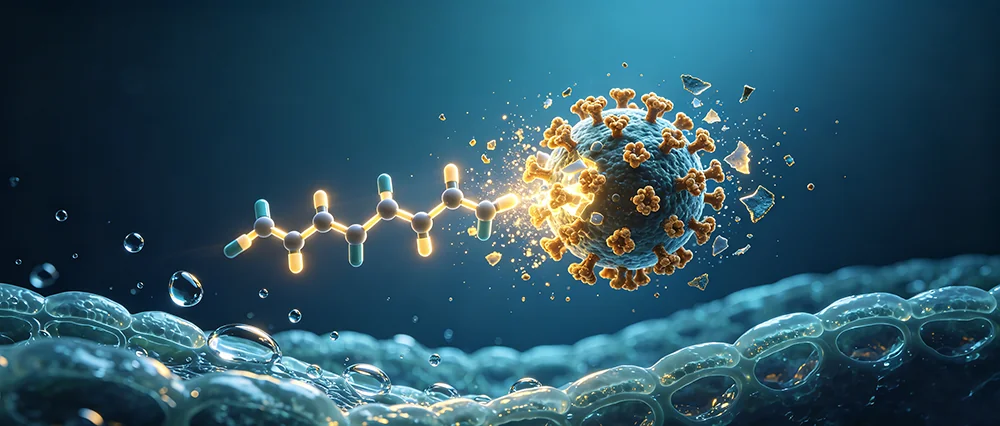
In the first half of 2026, the two core GLP-1 drugs together generated more than RMB 300 billion in global sales. Eli Lilly’s tirzepatide franchise reached USD 27.693 billion (+88% YoY), while Novo Nordisk’s semaglutide franchise brought in roughly USD 17.5 billion.
Yet the structural change behind these numbers matters more than the numbers themselves. Growth in Novo Nordisk’s injectables has clearly slowed: Ozempic grew just 3% year on year, and injectable Wegovy only 1%. At the same time, oral GLP-1 therapies are picking up the baton: oral Wegovy posted Q2 sales of DKK 3.22 billion (about USD 497 million), while Lilly’s Foundayo reached USD 98 million.
The logic of competition is switching: from “penetrating the injectable market” to “expanding the oral market.”
Injectables: Lilly Takes Seven Out of Ten New Patients. How Much Room Is Left for Latecomers?
Lilly’s dominance in Q2 is clear enough. Mounjaro delivered USD 9.9 billion in a single quarter (+91%), Zepbound USD 4.9 billion (+46%), total revenue USD 23.0 billion (+48%), and full-year guidance was raised from USD 83.5 billion to USD 86.0 billion.
Novo Nordisk tells a different story: Ozempic at about USD 4.8 billion (+3%) and injectable Wegovy at about USD 3.0 billion (+1%). Lilly has disclosed that in the injectable incretin market, three of every four new patients choose Lilly.
This means competition in the injectable space has moved from “who has the molecule” to “who has the barrier to entry.” Lilly’s dual-target mechanism and Novo Nordisk’s global supply chain cannot be replicated at the preclinical stage. The question for latecomers is no longer “can we make it,” but “once we make it, is there any place left for us in the clinic.”
Oral Drugs: Novo Nordisk Leads in the US, Lilly Sets the Pace in China
Novo Nordisk’s oral Wegovy launched in the US on January 5, 2026, while Lilly’s Foundayo was approved only on April 1, three months later. As of July 31, oral Wegovy had surpassed 265,000 weekly prescriptions and covered more than 5 million patients; Q2 sales of DKK 3.22 billion drove a 16% jump in the obesity business.
In the Chinese market, however, the tempo reverses. In June, Lilly said orforglipron could be approved in China as early as the end of 2026. Novo Nordisk would only say that it will submit “very soon,” with no clear timeline. Coupled with Lilly’s USD 3 billion investment in China over the next decade, including an oral solid dosage line in Beijing, capacity expansion in Suzhou, and a partnership with Pharmaron, Lilly has already made its move first.
More important is the channel advantage. The Guidelines for Compliant Online Retail of Prescription Drugs, effective May 2025, prohibit e-commerce sales of GLP-1 injectables while placing no restriction on oral formulations. That means oral GLP-1 drugs can be sold direct to consumers on Chinese e-commerce platforms, a channel advantage that injectables simply do not have.
Domestic Oral GLP-1: The First Tier Has Formed, but Preclinical Data Quality in the Second Tier Is Uneven
On July 20, VCT220 from Wentai Pharma was accepted by the CDE, making it the first domestic oral small-molecule GLP-1 weight-loss drug to file for marketing approval. Hengrui’s HRS-7535 met its Phase III endpoints, and Huadong Medicine’s HDM1002 completed Phase III enrollment. More than 20 local companies are pursuing this pipeline.
But pipeline count does not equal competitiveness. A large number of second-tier biotechs face a practical problem: preclinical evaluation of oral small molecules follows completely different logic from injectables, yet many teams are still running oral programs with an injectable mindset.
Three common blind spots:
- Narrow species coverage. Many programs rely only on short-term efficacy studies in diet-induced obese (DIO) mice and lack non-human primate (NHP) validation. Yet oral small molecules differ significantly in metabolism across species, and cases where mouse data look strong while NHP data fall short are not rare. The credibility gap between rodent-only data and data that includes NHP, during due diligence with a multinational corporation, can directly decide whether a deal happens at all.
- Too short an observation window. Data at 2 to 4 weeks may look good, but oral small molecules need longer periods to confirm durability of efficacy and safety signals. Pfizer discontinued three oral small-molecule GLP-1 programs within two years, and part of the problem lay in tolerability signals that only emerged after 8 to 12 weeks.
- Single-endpoint design. Reporting only “percentage of body weight loss” versus reporting multiple endpoints covering body weight, body fat percentage, food intake, and glucose and lipid metabolism is a difference of an entirely different order in persuasiveness.
These are not problems of technical capability. They are problems of evaluation strategy.
Commercial Validation: Oral Drugs Are Not Splitting the Market, They Are Expanding It
Lilly’s Q2 revenue was USD 23.0 billion (+48%), with China up 78%. Novo Nordisk’s oral Wegovy rose from DKK 2.26 billion in Q1 to DKK 3.22 billion in Q2, and its obesity business grew 16%.
Analysts at Citi note that oral Wegovy’s cannibalization of the injectable version is limited: oral therapy reaches the people injectables cannot, including those who fear needles, those who want convenience, and those willing to pay out of pocket. The ceiling for oral GLP-1 may be higher than that of injectables.
Looking wider, another line of work is advancing in metabolic disease: small nucleic acids.
GLP-1 handles “weight loss and glucose control,” while small nucleic acids act on targets such as PCSK9 and ANGPTL3 to handle “lipid lowering.” The two are complementary: one addresses energy metabolism, the other lipid metabolism. Novartis’s PCSK9 siRNA inclisiran posted 2025 sales of nearly USD 1.2 billion, and Sanofi’s APOC3 siRNA plozasiran was approved in China in January 2026. Preclinical demand in metabolic disease is shifting from a single pathway to multiple pathways in parallel. Whether a program chooses activation (GLP-1) or silencing (siRNA), the depth of the data package is what determines pipeline value.
For Biotechs: The Ticket Price Is Rising, but Tickets Are Still Available
Evaluate predicts that by 2032, Lilly’s annual sales will exceed USD 137 billion. But as the cake grows, so does the bar for entry.
Injectable GLP-1 has become a red ocean market, with very limited space for differentiation. The technology route for oral GLP-1 has not yet converged, with small molecules and peptides still competing, and a window remains. But it will not stay open forever: Wentai has already filed, with Hengrui and Huadong close behind. Once first-tier products reach the market, both regulatory and due diligence thresholds will rise.
For teams still at the preclinical or proof-of-concept stage, the period from the second half of 2026 to the first half of 2027 may be the last stretch of a relatively open preclinical window for oral GLP-1. Building a solid data package, with rodent plus NHP species coverage, an 8 to 12 week observation period, and cross-validation across multiple endpoints, is more pragmatic than rushing the timeline.
After all, Pfizer proved one thing with three terminated molecules: preclinical data that look good do not guarantee clinical success.
References
- Eli Lilly and Novo Nordisk Q2 2026 financial reports
- Citi analyst report (July 2026)
- IQVIA prescription data
- CDE acceptance information: Wentai Pharma VCT220 (July 20, 2026)
- Guidelines for Compliant Online Retail of Prescription Drugs (effective May 2025)
- Evaluate Pharma: 2032 forecast
- Novartis 2025 annual report
- Public announcements from the companies mentioned
Disclaimer
This article is intended solely to organize industry information and discuss trends, and does not constitute any investment or business decision advice. The GLP-1 field is evolving quickly and some pipeline statuses may change at any time; readers are advised to refer to the latest official disclosures.