Understanding complex metabolic disorders requires research platforms that can recapitulate selected disease-relevant biological changes.. Obesity and diabetes involve multiple pathways, including energy balance, glucose regulation, insulin sensitivity, and lipid metabolism, making effective research models essential.
Metabolic disease modelling systems provide researchers with valuable tools to investigate disease mechanisms, evaluate therapeutic strategies, and assess the translational relevance of preclinical findings.. These models help bridge the gap between basic biological discoveries and potential treatment development.
For scientists working on metabolic disorders, selecting appropriate models and evaluation methods is critical. In this article, we explore how modelling systems support obesity and diabetes research and discuss important considerations for building effective preclinical studies.
Understanding the Role of Metabolic Disease Modelling in Research
Metabolic disorders are influenced by complex interactions between genetic factors, environmental conditions, and physiological processes. Traditional research approaches may not fully capture these interactions, creating a need for complementary experimental systems with appropriate biological relevance.
A reliable metabolic disease modelling platform allows researchers to study selected aspects of disease progression under standardized experimental conditions.. These systems can support investigations into obesity-related changes, impaired glucose metabolism, insulin resistance, and other metabolic abnormalities.
Different models are designed to answer specific scientific questions. Some focus on understanding disease mechanisms, while others are developed for drug screening, efficacy evaluation, or biomarker discovery.
Choosing the appropriate model depends on factors such as research objectives, target pathways, disease characteristics, and predefined experimental endpoints.. A well-matched model can provide more meaningful biological insights.
Key Model Types for Obesity and Diabetes Research
Obesity and diabetes research commonly uses various in vivo and in vitro approaches. Animal models remain important tools because they can recapitulate selected systemic and physiological features of metabolic disorders and support multifaceted evaluation of therapeutic candidates.
Diet-induced models are frequently used to study obesity-related conditions because they can model metabolic changes arising from interactions among diet composition, genetic background, sex, and duration of dietary exposure.
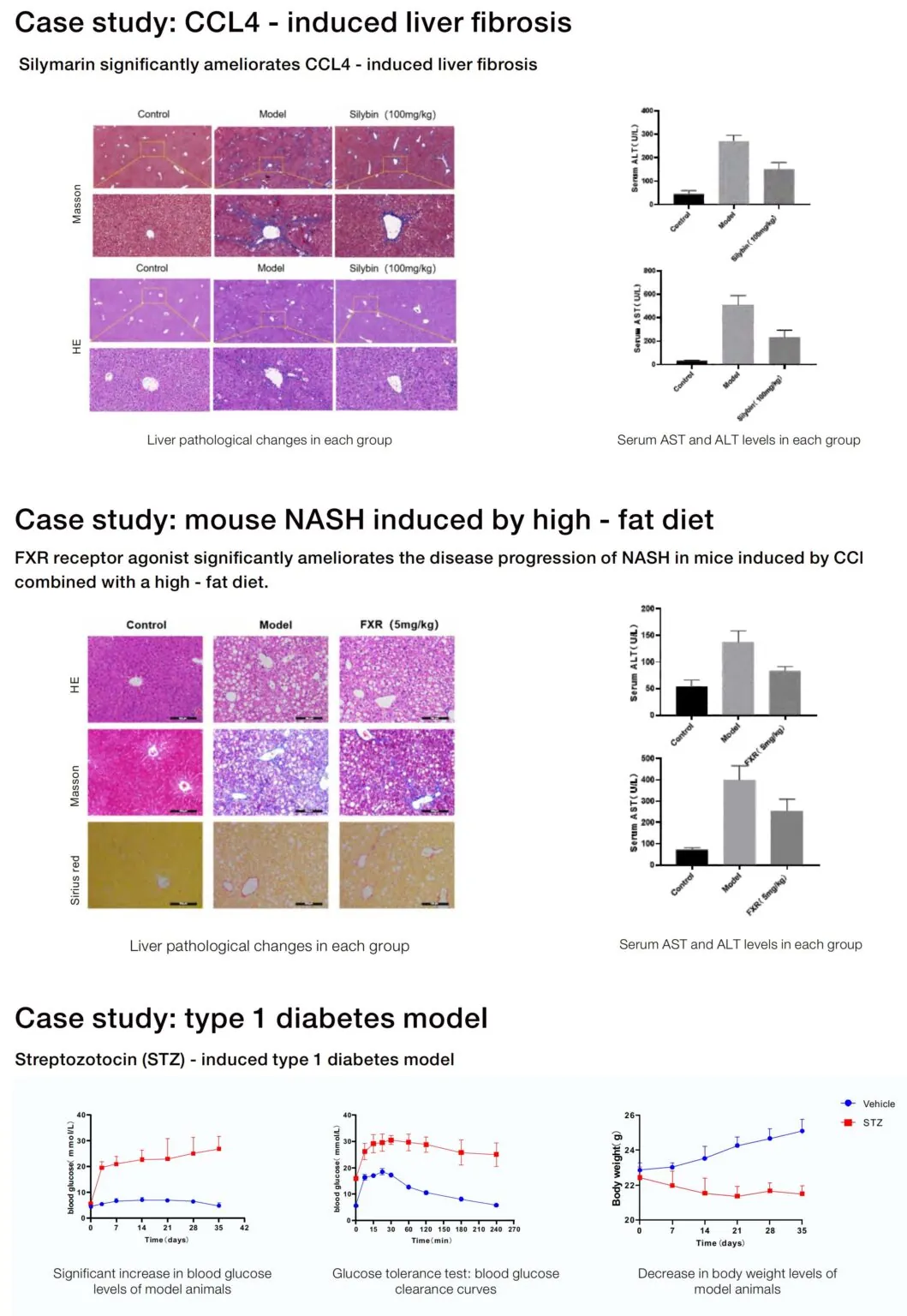
For diabetes research, models may focus on impaired insulin production, insulin resistance, or complications associated with long-term metabolic imbalance. These systems allow researchers to examine disease development and evaluate potential interventions.
Jennio Biotech supports researchers by providing customized research solutions for metabolic studies. Our experience with disease model development helps researchers align model selection, study design, and evaluation endpoints with specific research objectives.
Important Evaluation Parameters in Metabolic Studies
A successful metabolic research project requires appropriate monitoring methods and measurable endpoints. Researchers often evaluate parameters related to body composition, glucose metabolism, insulin response, and physiological changes.
Body weight and composition analysis can provide information about obesity progression and treatment effects. Glucose-related assessments help researchers understand changes in metabolic regulation and therapeutic responses.
Additional evaluations may include biochemical analysis, tissue examination, and molecular studies. Combining different endpoints provides a more complete view of how experimental treatments influence disease-related processes.
When using metabolic disease modelling systems, researchers should consider both short-term responses and long-term biological effects. Comprehensive evaluation strategies can improve the reliability of preclinical conclusions.
Applications in Drug Discovery and Therapeutic Development
Metabolic models play an important role in early-stage drug development. Before clinical studies, researchers need reliable systems to evaluate whether a candidate compound affects relevant disease pathways.
In obesity research, models can help investigate mechanisms related to weight regulation, energy metabolism, and associated complications. In diabetes studies, they can support the evaluation of therapies targeting glucose control and insulin function.
Model selection should match the mechanism of action being investigated. A therapy designed to influence a specific metabolic pathway requires an experimental system capable of reflecting that biological process.
According to industry practices, metabolic disease research programs often combine disease models with pharmacological evaluation and biomarker analysis to generate comprehensive efficacy data.
Improving Research Outcomes Through Model Selection
Selecting the appropriate model is one of the most important decisions in metabolic research. Different models may represent different aspects of human disease, so researchers should carefully evaluate their advantages and limitations.
Factors such as disease severity, experimental duration, genetic background, and study objectives should be considered during model selection. A model that closely matches the research question can improve the relevance of experimental findings.
Customized solutions are especially valuable when standard models cannot fully address a specific research requirement. Adaptable approaches allow researchers to investigate new targets and emerging therapeutic concepts.
Jennio Biotech focuses on supporting innovative drug discovery by providing specialized disease modelling solutions. Our goal is to help researchers generate reliable data throughout preclinical development.
Challenges and Future Directions of Metabolic Research Models
Although metabolic models have advanced significantly, researchers still face challenges when translating experimental findings into clinical applications. Human metabolic diseases are highly complex and involve interactions among multiple organs and biological systems.
To address these challenges, modern research increasingly combines different approaches, including advanced animal models, cellular systems, and multi-dimensional analysis methods. These strategies can provide deeper insights into disease mechanisms.
Future development of metabolic disease modelling systems will continue to focus on improving biological relevance and experimental accuracy. More precise models may help researchers better understand patient-specific responses and accelerate therapeutic innovation.
Conclusion
Metabolic disease research depends on reliable models that can reproduce important features of obesity and diabetes. Effective modelling systems help scientists investigate disease mechanisms, evaluate treatments, and identify new opportunities for therapeutic development.
Enhancing the quality and interpretability of preclinical investigations can be strengthened through appropriate model selection, systematic monitoring, and scientifically validated analytical methods.
Researchers studying metabolic diseases can rely on Jennio Biotech for scientific and technical support through customized model solutions and preclinical research expertise.. The development of successful therapies against obesity, diabetes, and related illnesses will continue to depend on well-designed experimental systems, even as metabolic research advances.