Early-stage drug development requires scientifically interpretable data on potential toxicity and tolerability before selected candidates can move toward more advanced studies. Researchers need practical solutions to understand potential toxicity risks, optimize dosing strategies, and make informed development decisions.
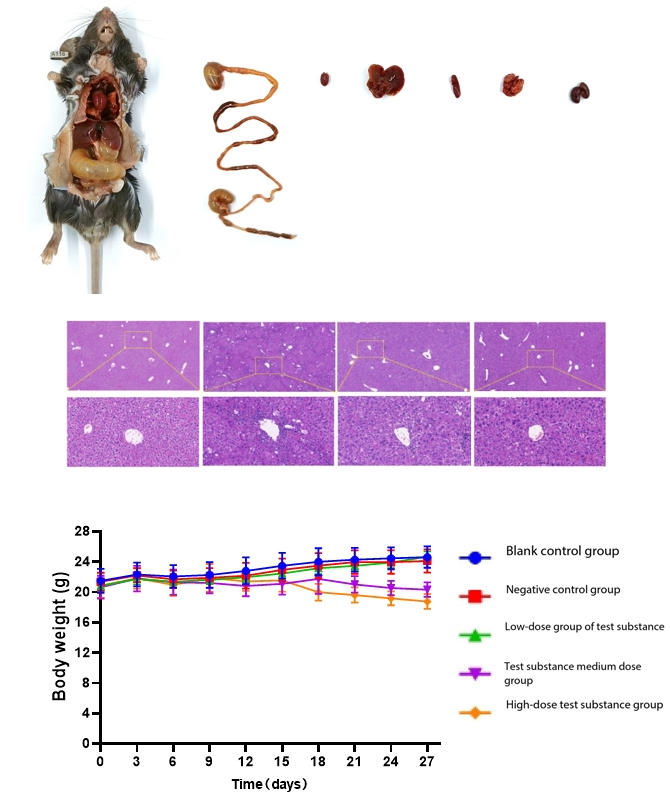
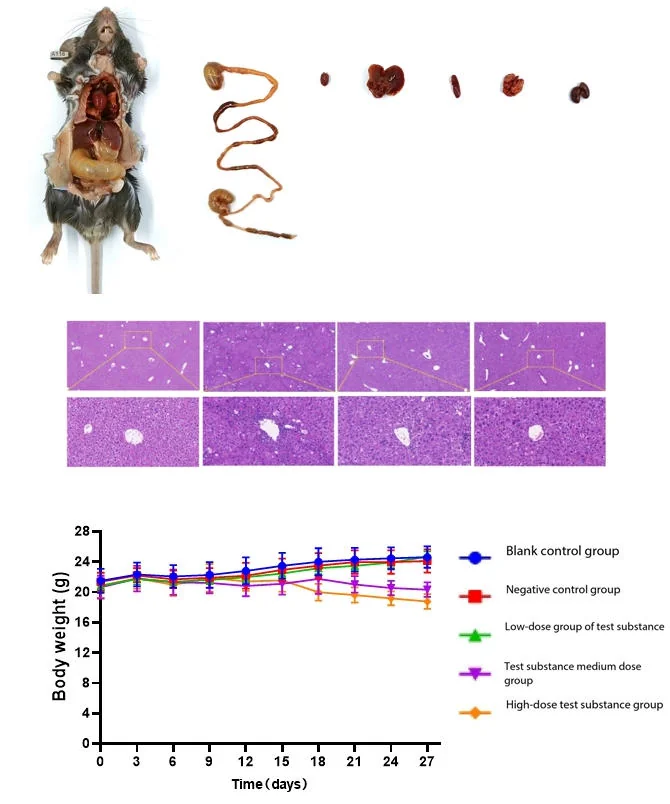
Non-GLP toxicology CRO services provide an important approach for biotechnology and pharmaceutical companies that need preliminary safety evaluations before conducting larger regulatory-focused studies. These services help researchers explore compound characteristics while improving research efficiency.
Choosing an experienced CRO partner requires careful consideration of scientific expertise, study design capabilities, and technical resources. A suitable provider should understand different research applications and deliver well-documented, scientifically interpretable data that inform future development strategies.
Understanding the Role of Non-GLP Toxicology CRO Services
Non-GLP toxicology studies are designed to characterize potential toxicity signals, tolerability findings, and dose-related effects during preclinical research. Unlike formal GLP studies intended for regulatory submissions, these evaluations are often used to generate preliminary safety information and guide later development plans.
Researchers commonly use these studies to evaluate possible toxic effects, identify potential target organs, and understand dose-related responses. The information collected can support decisions about compound optimization and study direction.
Non GLP toxicology CRO services are particularly valuable when organizations need flexible study designs. Instead of immediately investing in extensive regulatory studies, companies can first gather fit-for-purpose exploratory data to refine their research strategy.
Jennio Biotech provides customized pharmacology and toxicology research solutions to support early-stage safety assessment needs. The company’s expertise helps researchers design studies that provide preliminary insights into potential toxicity, tolerability, and other biological effects.
Key Applications of Non-GLP Toxicology Research
One major application of non-GLP toxicology research is drug candidate screening. During early development, researchers often evaluate multiple compounds and need comparative toxicity and tolerability data to prioritize candidates for further investigation.
Toxicology studies can help identify compounds with unsuitable safety characteristics before significant resources are invested. This approach allows research teams to prioritize candidates with stronger development potential.
Another important application is dose exploration. Understanding the relationship between exposure levels and biological responses helps researchers select appropriate doses for future studies.
For biologics, small molecules, and other innovative therapies, early safety assessment can provide valuable guidance. Customized research strategies allow investigators to examine specific questions related to their candidate molecules.
Selecting the Right CRO Provider for Toxicology Applications
When choosing a CRO partner, scientific experience should be a primary evaluation factor. A qualified provider should have professionals with relevant experience in toxicology principles, pharmacology models, study design, and preclinical research workflows.
Researchers should also consider whether the CRO can provide customized study plans. Every compound has unique characteristics, meaning standardized approaches may not always address specific research questions.
Technical platforms and laboratory capabilities are also important. Reliable analytical methods, appropriate research models, and effective data management systems contribute to higher-quality study outcomes.
Companies should review whether potential providers can support different research stages. A CRO with broad capabilities can offer continuous assistance as projects progress from early exploration to more advanced development phases.
How Non-GLP Studies Improve Research Decision-Making
A key advantage of early toxicology studies is the ability to generate actionable information before committing to larger investments. Researchers can use preliminary findings to refine development strategies and reduce uncertainty.
For example, safety evaluations may reveal whether a compound requires formulation adjustments, dose modifications, or additional investigation. These insights can improve efficiency throughout the research process.
Non-GLP toxicology CRO services also provide flexibility for organizations with limited internal resources. Outsourcing specialized studies allows companies to access experienced scientific teams without establishing additional infrastructure.
Jennio Biotech supports researchers through tailored non-GLP pharmacology and toxicology studies that focus on early evaluation of potential toxicity signals, tolerability, and biological effects. The company’s services are designed to provide research data that supports informed preclinical decisions.
Common Research Considerations Before Starting a Toxicology Study
Before beginning a study, researchers should clearly define their objectives. Understanding whether the goal is dose evaluation, toxicity screening, or mechanism exploration helps determine the most appropriate study design.
Communication between sponsors and CRO teams is essential. Detailed discussions about compound properties, expected outcomes, and project timelines help ensure that experimental plans match research goals.
Data interpretation should also receive attention. Toxicology results require professional analysis to understand biological significance and determine appropriate next steps.
In addition, organizations should evaluate the CRO’s ability to provide transparent reporting. Clear documentation and accessible study results help research teams make confident decisions.
Future Importance of Flexible Toxicology Research Partnerships
As biotechnology innovation continues to accelerate, researchers increasingly require adaptable preclinical support. New therapeutic formats and complex biological systems create demand for specialized evaluation approaches.
Reliable CRO partnerships help organizations address technical challenges while maintaining research progress. A flexible provider can adjust study strategies according to different therapeutic areas and development requirements.
Non-GLP toxicology research will continue to serve as a valuable step between discovery and more advanced development activities. By generating early safety insights, these studies help researchers improve project planning and resource allocation.
Conclusion
Selecting an appropriate CRO provider is an important decision for companies conducting preclinical research. The right partner should combine scientific knowledge, customized study design, and reliable technical capabilities.
Non-GLP toxicology CRO services offer practical support for applications such as candidate screening, dose evaluation, and early safety assessment. They help researchers obtain valuable information while making more informed development decisions.
With growing demand for efficient biotechnology research solutions, experienced CRO collaborations will remain essential for advancing new therapeutic discoveries. By providing specialized support and flexible approaches, Jennio Biotech continues to assist researchers in addressing complex preclinical research challenges.