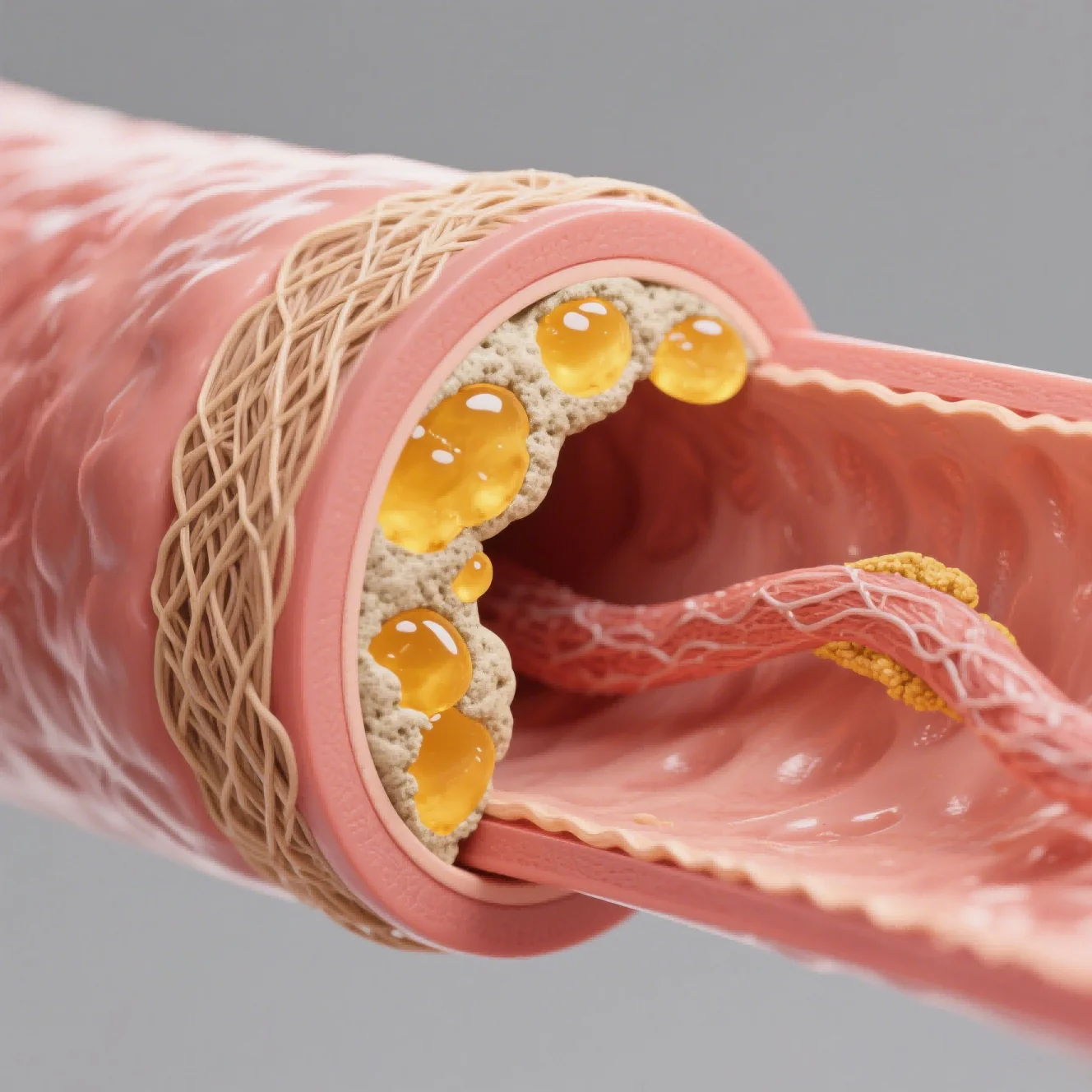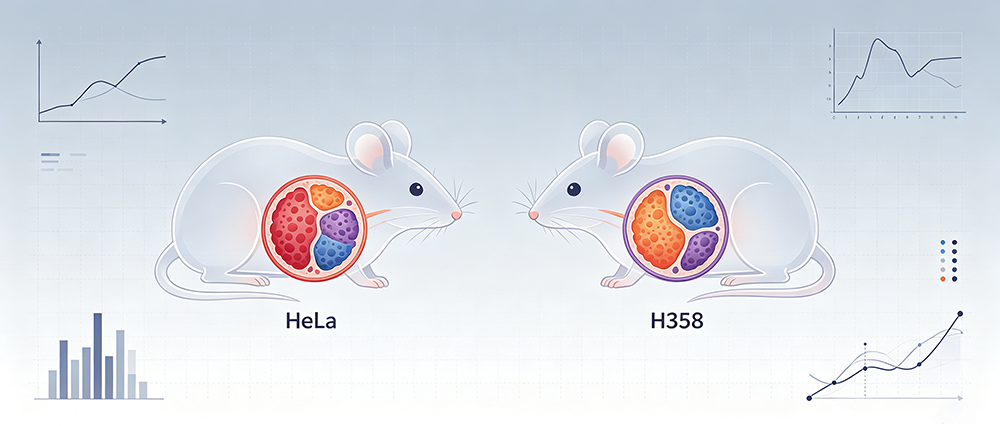
Autoimmune diseases occur when the immune system mistakenly attacks the body’s own tissues, involving complex biological processes that cannot be fully characterized using in vitro methods alone.. Researchers need reliable experimental systems to understand immune dysfunction, disease mechanisms, and potential therapeutic strategies.
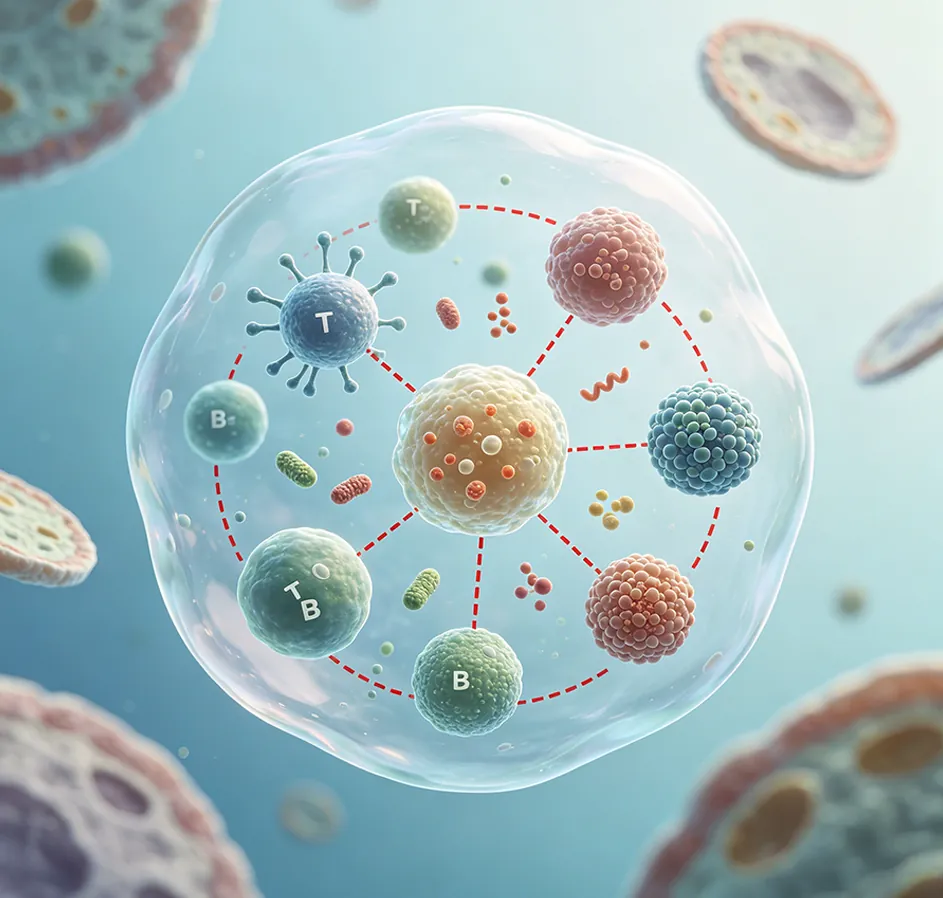
Animal models play an important role in autoimmune research because they allow scientists to investigate disease development under controlled experimental conditions while retaining systemic immune and tissue interactions.. These models help answer important questions about immune regulation, inflammation, and treatment responses.
Understanding the Causes of Immune System Dysfunction
One major challenge in autoimmune research is determining why the immune system loses its ability to distinguish between healthy tissues and harmful targets. The causes of autoimmune disorders often involve multiple biological factors, including immune cell regulation, genetic influences, and environmental interactions.
Researchers use experimental models to study how immune abnormalities begin and develop over time. These systems help scientists analyze changes in immune pathways and identify factors that contribute to disease initiation.
By observing immune responses in controlled settings, researchers can investigate fundamental questions about immune tolerance and the breakdown of normal regulatory mechanisms. This information is essential for improving the understanding of autoimmune disease biology.
Investigating Disease Development and Progression
Another important research problem involves understanding how autoimmune conditions progress after their initial development. Many autoimmune diseases involve gradual changes in immune activity, tissue damage, and inflammatory responses.
Autoimmune disease mouse models can enable researchers, depending on the model design, to examine selected stages of disease progression and monitor biological changes over time.. Scientists can evaluate relationships between immune activation and tissue responses to better understand disease mechanisms.
These studies provide insights into how autoimmune disorders evolve and help researchers identify candidate therapeutic targets or intervention windows for further evaluation.. A clearer understanding of disease progression can support the development of more targeted research strategies.
Exploring Inflammatory Pathways and Immune Responses
Inflammation is a central feature of many autoimmune disorders, but the specific pathways involved can vary significantly between diseases. Understanding these pathways is a key research goal for scientists investigating immune-mediated conditions.
Experimental models enable researchers to analyze inflammatory signals, immune cell interactions, and molecular changes associated with autoimmune responses. These investigations help clarify how immune activation contributes to tissue injury and chronic inflammation.
Through these studies, scientists can explore the roles of different immune components and identify potential biological targets for further research. This approach supports a more detailed mechanistic understanding of immune regulation and inflammatory signaling pathways..
Evaluating Potential Therapeutic Approaches
A critical research question in autoimmune studies is how potential treatments influence abnormal immune activity. Before advancing new therapeutic concepts, researchers need appropriate systems to examine biological effects.
Researchers use experimental models to evaluate how different interventions affect immune responses, inflammatory processes, and predefined disease-related efficacy and pharmacodynamic endpoints.. These assessments provide useful information for understanding treatment mechanisms and guiding future research directions.
Jennio Biotech supports researchers by providing customized inflammation and autoimmune disease models and related preclinical efficacy evaluation services. Fit-for-purpose models and study designs allow scientists to conduct controlled studies and generate relevant, interpretable experimental data..
Studying Immune Cell Interactions
Autoimmune diseases often involve complicated interactions between different immune cell populations. Understanding these relationships is necessary for identifying how immune networks contribute to disease.
Researchers can use model systems to examine communication between immune cells, changes in immune activity, and responses within affected tissues. These studies help reveal how different components of the immune system influence disease outcomes.
By analyzing immune cell behavior, scientists can investigate questions related to immune balance, inflammatory regulation, and abnormal immune activation. This knowledge contributes to a broader understanding of autoimmune mechanisms.
Supporting Biomarker Discovery Research
Identifying reliable biomarkers is another important challenge in autoimmune disease research. Biomarkers can help researchers monitor disease characteristics, evaluate biological changes, and understand responses to experimental treatments.
Animal models provide opportunities to analyze molecular patterns associated with autoimmune conditions. Researchers can study changes in proteins, immune factors, and other biological indicators during disease development.
These investigations may support identification of exploratory biomarker candidates that require further analytical and biological validation.. Biomarker studies are especially valuable for connecting biological mechanisms with measurable outcomes.
Improving Translational Research Strategies
A common challenge in biomedical research is translating laboratory findings into approaches that better represent human disease conditions. Appropriate experimental models can help bridge this gap by providing additional biological context.
Scientists use these models to investigate disease mechanisms, compare experimental strategies, and improve study designs. Careful selection of research systems is important for generating reliable findings that support future investigations.
Jennio Biotech focuses on helping researchers access suitable resources for studying inflammation and immune-related diseases. By supporting effective experimental workflows, we aim to contribute to advances in life science research.
Conclusion
Autoimmune research involves many unanswered questions, from understanding immune dysfunction and disease progression to evaluating new therapeutic concepts. Addressing these challenges requires experimental systems that can recapitulate selected, disease-relevant aspects of complex immune processes.
Through applications in mechanism studies, inflammation research, biomarker discovery, and therapeutic evaluation, autoimmune models provide valuable support for modern biomedical research. As scientific technologies continue to advance, these models will remain important tools for improving knowledge of autoimmune diseases and developing future research strategies.