Autoimmune diseases involve complex interactions between immune cells, genetic factors, and environmental influences. Because these disorders often develop through multiple biological pathways, researchers need biologically relevant, fit-for-purpose experimental systems to investigate disease mechanisms and evaluate potential therapies.
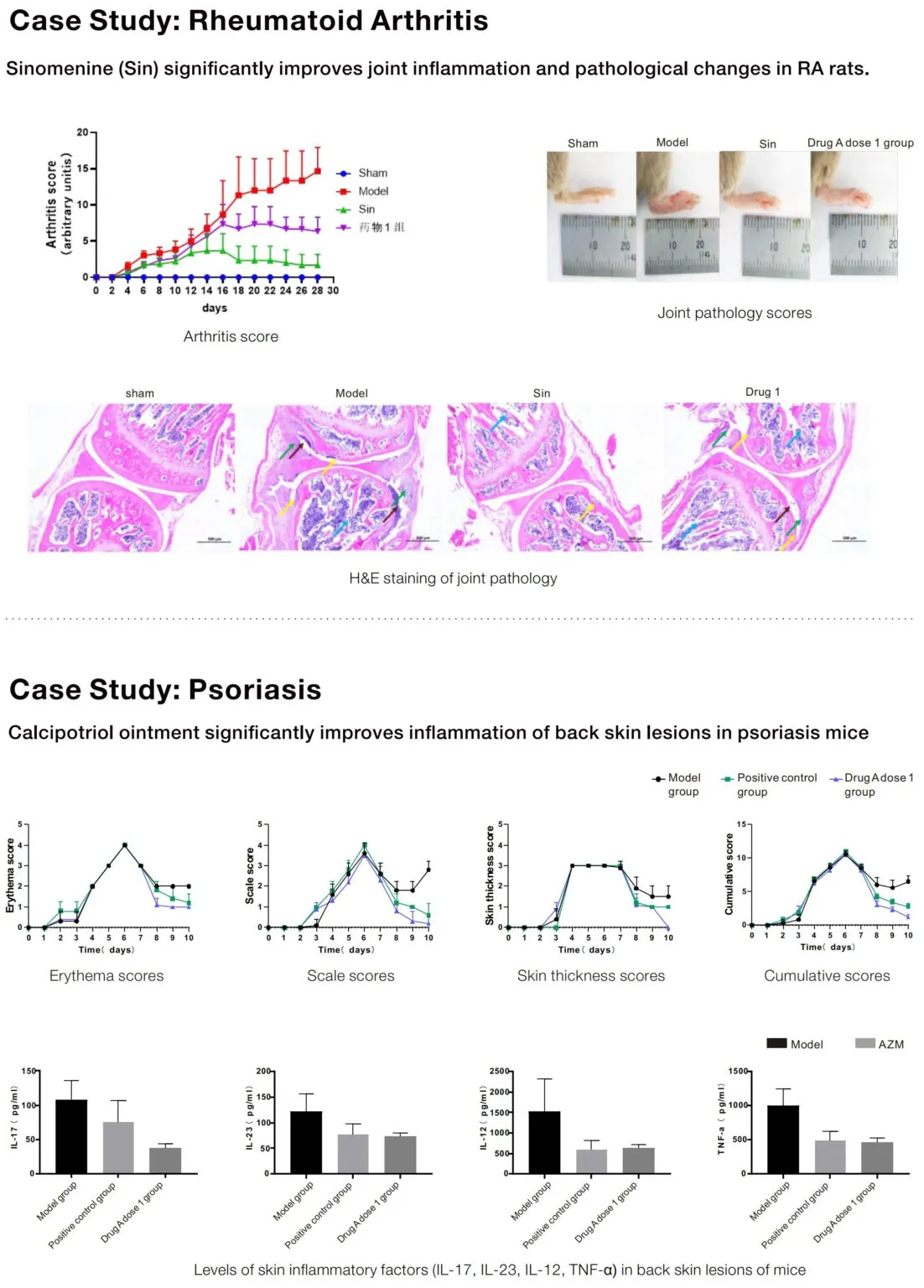
Selecting suitable autoimmune disease animal models is a critical step in preclinical research. Different models are used to recapitulate selected features of immune dysregulation, tissue injury, or disease progression.. Choosing the right model depends on the research objective, disease mechanism, and expected experimental outcomes.
At Jennio Biotech, we recognize that model selection can substantially influence the biological relevance and interpretability of study data.. By considering disease characteristics, experimental goals, and model limitations, researchers can establish more effective study strategies for autoimmune disease investigation.
Understanding the Purpose of Autoimmune Disease Animal Models
The first step in selecting autoimmune disease animal models is defining the primary scientific question and intended study endpoints.. Different studies may focus on disease initiation, immune pathway analysis, biomarker discovery, or therapeutic evaluation.
For example, researchers investigating immune tolerance breakdown may require models that demonstrate abnormal immune activation. Studies focused on drug screening may prioritize models that provide measurable disease-related changes after treatment intervention.
No single model can completely reproduce all aspects of human autoimmune disorders. Instead, each model provides specific advantages for studying certain biological processes. Therefore, researchers should select models based on the scientific questions they aim to answer rather than simply choosing the most commonly used option.
Selecting Models Based on Disease Mechanisms
Understanding the underlying disease mechanism is essential when choosing an appropriate model type. Autoimmune disorders can affect different organs and involve different immune pathways, making some models more suitable than others.
Spontaneous models develop autoimmune-like characteristics without deliberate experimental induction, often because of defined genetic predispositions. These models are useful for studying disease development and genetic contributions because the autoimmune process occurs without external induction.
Induced models are created through approaches such as antigen immunization, immune cell transfer, or chemical or environmental induction. They are often valuable when researchers need a defined induction window and a standardized experimental workflow.
Genetically modified models provide another option for studying specific molecular pathways. These models allow researchers to examine how individual genes or immune regulators influence autoimmune responses.
Considering the Target Disease Area
The target autoimmune disease should guide model selection because different diseases require different experimental approaches.
For inflammatory arthritis research, models that reproduce joint inflammation and immune-mediated tissue damage may be appropriate. For neurological autoimmune diseases, researchers may require models that allow investigation of immune responses affecting the nervous system.
Similarly, studies involving systemic autoimmune conditions require models that reflect broader immune dysfunction rather than changes limited to a single tissue. Understanding whether the disease is organ-specific or systemic helps researchers select a model with relevant biological characteristics.
Evaluating Experimental Readouts and Research Requirements
Before selecting autoimmune disease animal models, researchers should define the key measurements needed for their studies. Experimental readouts may include immune cell profiles, inflammatory markers, tissue changes, antibody production, or therapeutic response indicators.
A suitable model should provide measurable outcomes that match the goals of the research project. For example, a model designed for mechanism studies may require detailed immune analysis, while a drug development study may focus more on treatment response and disease improvement indicators.
Researchers should also consider factors such as reproducibility, experimental duration, sample requirements, and compatibility with available analytical technologies.
Balancing Model Advantages and Limitations
Every animal model has specific strengths and limitations. Understanding these differences helps researchers avoid misinterpreting experimental results.
Mouse models are widely used in autoimmune research because they offer well-characterized genetics and flexible experimental options. However, differences between animal immune systems and human immune responses must be considered when translating findings.
Humanized models may provide additional insights by incorporating human immune components, but they can involve more complex experimental requirements and may not fully reconstruct the diversity and function of the human immune system.. Researchers should evaluate whether the additional complexity is necessary for their specific objectives.
A combination of multiple research approaches is often the most effective strategy. Integrating animal studies with cellular experiments and other biological analyses can provide a more comprehensive understanding of autoimmune mechanisms.
Improving Preclinical Research Efficiency Through Proper Model Selection
For pharmaceutical and biotechnology companies, choosing an appropriate model can improve the relevance of efficacy data and support more informed preclinical development decisions.. A well-selected model can provide more meaningful data for evaluating candidate compounds and understanding potential mechanisms of action.
When planning studies, researchers should consider whether the model supports the intended therapeutic target, produces consistent results, and allows appropriate evaluation methods.
Jennio Biotech provides customized research solutions to help scientists identify suitable models for inflammation and autoimmune disease studies. Careful planning during the early research stage can help reduce unnecessary experiments and improve overall study reliability.
Future Trends in Autoimmune Disease Model Development
Advances in biotechnology are continuously improving autoimmune research models. New approaches, including advanced genetic engineering and humanized systems, are helping researchers explore more precise immune mechanisms.
Future development of autoimmune disease animal models will likely focus on improving disease relevance and increasing the ability to predict human therapeutic responses.
As autoimmune research becomes more personalized, selecting models that accurately represent specific biological pathways will become increasingly important. Researchers will continue combining different model systems to gain deeper insights into disease progression and treatment strategies.
Conclusion
Selecting the appropriate autoimmune research model requires careful evaluation of disease mechanisms, research goals, experimental requirements, and model limitations. Different models provide different advantages, and the best choice depends on the specific scientific question being investigated.
By understanding the characteristics of available models, researchers can design more effective studies for immune mechanism exploration and therapeutic development. Jennio Biotech remains committed to supporting life science research with reliable model solutions that help advance autoimmune disease investigations.
A thoughtful approach to model selection enables researchers to generate relevant and interpretable data that support continued investigation in inflammation, immunology, and autoimmune disease research.