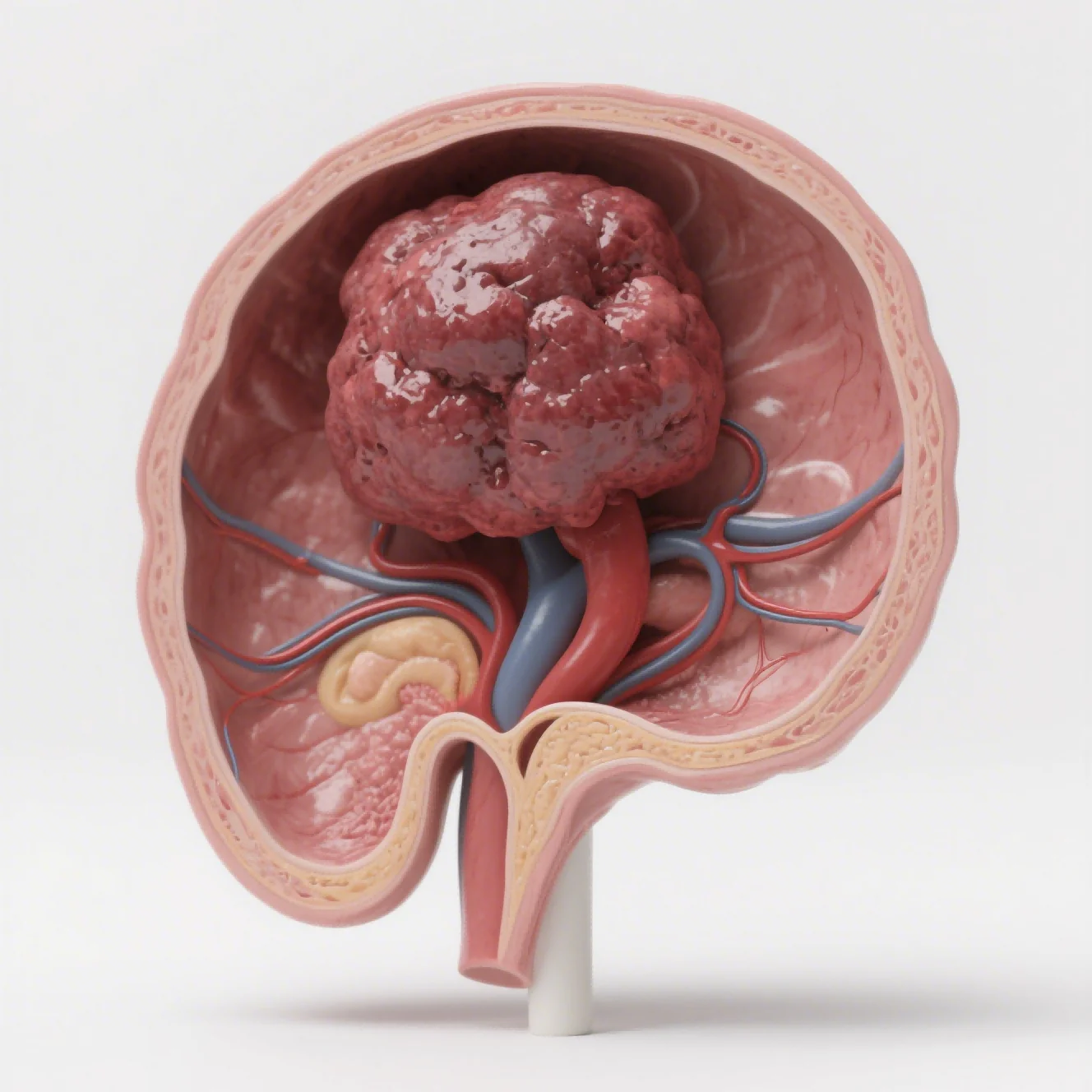
Drug development rarely depends on one experimental method. Drug efficacy evaluation connects a candidate treatment with measurable biological outcomes, but the appropriate testing strategy depends on the mechanism, disease context, and development stage.
Cell assays can provide rapid insights into cellular responses and potential mechanisms,, computational approaches can explore molecular interactions, and animal studies can reveal treatment effects within a living system. We at Jennio Biotech view these approaches as complementary rather than interchangeable, with the value of each method determined by the question it is designed to answer.

What Each Preclinical Method Reveals
In vitro assays are often useful at the beginning of a research program because they allow researchers to examine cellular responses under controlled conditions. Cytotoxicity, pathway activity, receptor binding, and dose-response relationships can be assessed without the biological complexity of an animal system.
Computational approaches offer a different perspective. Molecular docking, structure-based prediction, and pharmacokinetic modeling can help researchers prioritize hypotheses before experimental testing. These tools may reduce unnecessary laboratory work, although predicted interactions still require biological validation.
Animal studies introduce physiological variables that simplified systems cannot reproduce. Absorption, distribution, metabolism, tissue exposure, and systemic responses can influence whether an observed cellular effect translates into measurable therapeutic activity. This makes in vivo assessment particularly relevant when researchers need evidence beyond isolated cell behavior.
Where Efficacy Testing Adds Biological Context
The strength of in vivo research lies partly in its ability to capture interactions among multiple biological systems. A compound may inhibit tumor cells in culture yet show limited activity in an organism because exposure at the target tissue is insufficient or compensatory pathways modify the response.
Endpoint selection also affects the usefulness of the experiment. Tumor volume, survival, imaging signals, histopathology, biomarkers, and immune-cell profiles can each answer different questions. A carefully designed study does not simply generate more measurements; it selects endpoints aligned with the study objectives and proposed mechanism of action.
Disease models should likewise reflect the purpose of the research. A subcutaneous xenograft model may be suitable for comparing several candidate compounds, while an orthotopic or metastatic system can provide additional information about tissue-specific growth and dissemination. The more complex model is not automatically better if its added biological features are unrelated to the research objective.
When Alternative Methods Remain Valuable
Complementary non-animal approachesremain important because animal studies cannot reproduce every aspect of human disease either. Organoid systems, co-culture assays, microphysiological systems, and advanced cell models can isolate specific biological interactions that may be difficult to examine in vivo.
Organoids, for example, can preserve selected characteristics of patient-derived tumors while allowing controlled manipulation of treatment conditions. They are useful for studying heterogeneous responses and investigating potential mechanisms before advancing to more resource-intensive experiments.
Computational and cellular methods can also support dose selection and mechanistic interpretation. Results from these systems may help researchers determine which compounds or biological pathways deserve further investigation, reducing the number of candidates that need extensive in vivo testing.
Combining Platforms Across Development Stages
A practical research strategy often uses multiple methods sequentially. Early screening may rely on cellular assays to identify compounds with measurable activity, with pharmacokinetic and tissue distribution studies helping to guide subsequent efficacy testing. More complex disease models can then be introduced when the central question requires systemic or tissue-level evidence.
Our specialized platforms at Jennio Biotech include tumor vaccine development, cell therapy evaluation, inhaled therapeutic drug assessment, liver disease research, and molecular delivery efficiency studies. These platforms can support different experimental questions, while our cell resource library covers CDX research across lung cancer, colorectal cancer, leukemia, and other cancer areas. Selected cell resources also have STR authentication and drug-resistance prescreening information, with imaging, pathology, and downstream assessments available according to study requirements.
Integration is particularly useful when a treatment has several potential mechanisms of action. A cellular assay might demonstrate pathway activity, an animal model could reveal systemic efficacy, and tissue analysis might clarify whether the expected biological mechanism occurred at the treatment site.
Interpreting Results Without Overreaching
No preclinical method should be treated as a direct substitute for clinical evidence. Experimental systems simplify human biology to varying degrees, and each one introduces assumptions that affect interpretation. A strong result indicates that a treatment merits further investigation; it does not establish that the same response will occur in patients.
Differences between models should also be interpreted rather than dismissed. If a compound performs well in vitro but poorly in vivo, the discrepancy may point toward pharmacokinetic limitations, tissue penetration, metabolism, toxicity, or microenvironmental effects. Such findings can be scientifically useful because they identify questions that would otherwise remain hidden.
The most informative development programs connect results across methods. Concordant findings across well-characterized, complementary models can strengthen confidence in a biological hypothesis, while conflicting observations can reveal weaknesses in the proposed mechanism or identify variables requiring further study.
Conclusion
No single experimental system can capture every dimension of therapeutic activity. Drug efficacy evaluation becomes more informative when researchers understand what each model contributes and place those findings within the broader development pathway. Our team at Jennio Biotech combines specialized efficacy platforms with complementary biological assessments according to the research question, rather than treating one method as universally sufficient.
Combined according to the research question, computational, cellular, tissue-based, and in vivo approaches can provide different pieces of evidence that collectively support more informed decisions during preclinical drug development.