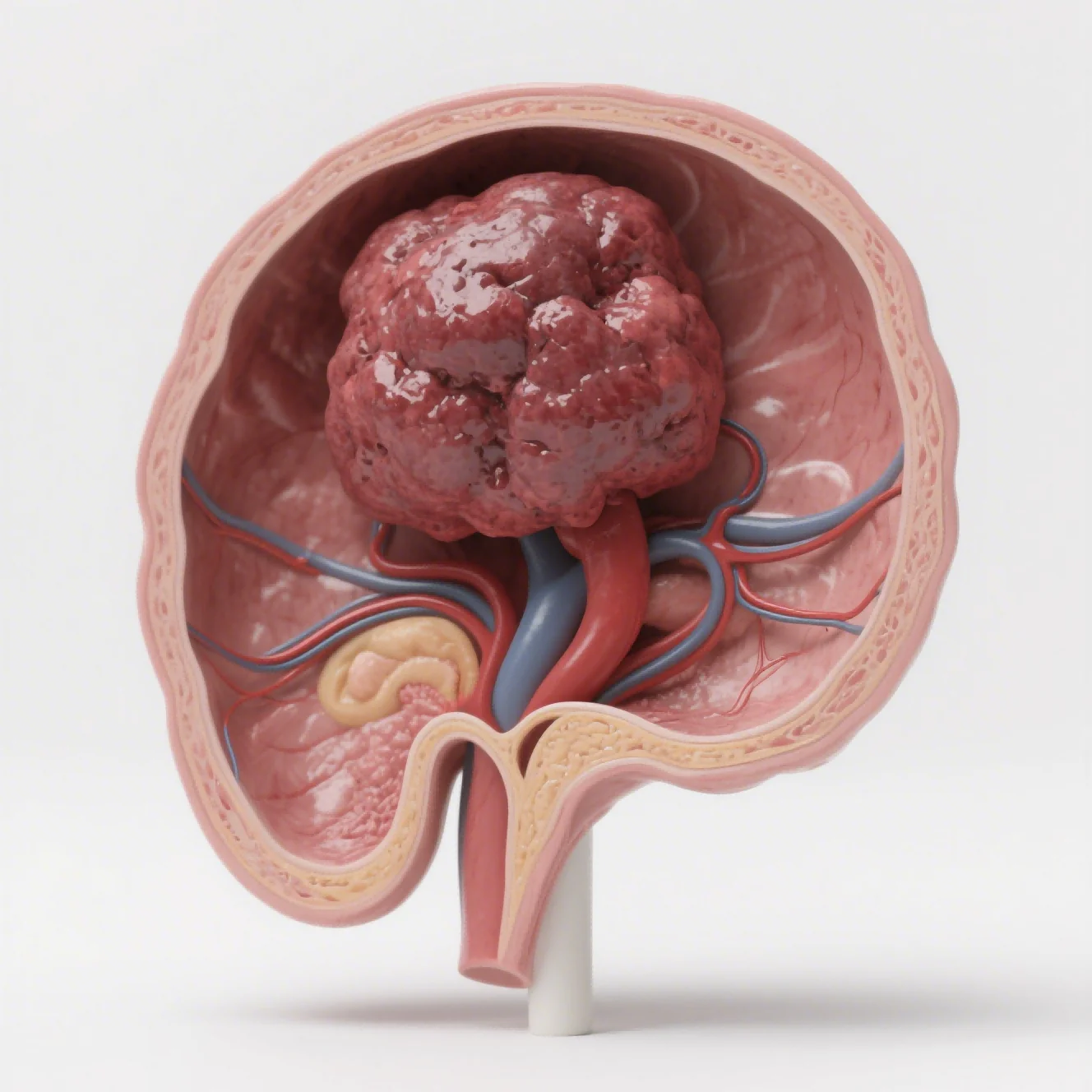
The rise of therapeutic cancer vaccines has made preclinical assessment more sophisticated than measuring tumor size alone. Oncology vaccine evaluation may need to address antigen-specific immune responses,, immune-cell activation, immune-cell infiltration into tumors, cytokine responses, and treatment-associated changes within the tumor microenvironment.
A useful platform should reflect the vaccine’s mechanism and intended clinical application rather than simply provide a convenient efficacy endpoint. Our team at Jennio Biotech considers the therapeutic modality, disease setting, immune readouts, and downstream analytical requirements before determining which research framework is appropriate.

Start With the Vaccine Mechanism
Different cancer vaccines can stimulate immunity through distinct biological pathways. Peptide-based approaches may focus on antigen-specific T-cell responses, while nucleic acid platforms can require assessment of antigen expression and presentation, as well as downstream immune activation. The experimental system should be capable of capturing the biological events that matter to the candidate.
Tumor models are particularly important because immune responses do not occur in isolation. Tumor-associated macrophages, regulatory T cells, dendritic cells, cytokines, and other components can influence whether an immune response develops into measurable antitumor activity.
The intended therapeutic setting also deserves attention. A preventive vaccine concept and a therapeutic vaccine for an established tumor involve different biological questions. For therapeutic candidates, researchers may need to determine whether immune activation translates into tumor growth control, changes in tumor burden, or altered survival patterns.
Match the Model to Immune Complexity
Standard tumor models can provide useful efficacy information, but immunological limitations must be considered. Highly immunodeficient animals may support human tumor growth while offering limited capacity for evaluating interactions between human immune cells and cancer cells.
Humanized systems provide another option when human immune mechanisms are central to the research hypothesis. Human immune cells or hematopoietic stem cells can be introduced into suitable immunodeficient mice, creating an experimental environment in which immune activation, tumor infiltration, and treatment response can be investigated together.
The appropriate level of complexity depends on the development stage. Early screening may benefit from a relatively focused system that compares candidate activity, whereas later research may require more detailed characterization of immune-cell populations and tumor microenvironment changes. More complexity is useful only when it answers a relevant scientific question.
Assess More Than Tumor Growth
Tumor size remains a valuable endpoint, but it cannot explain every vaccine response. A vaccine-induced immune response may alter tumor composition or immune activity before substantial changes in measured tumor volume become apparent.
Flow cytometry can help characterize immune-cell populations within tumors or related tissues. Researchers may examine T-cell subsets, myeloid populations, or other immune components, alongside antigen-specific functional assays, to determine whether treatment produces the expected immune responses..
Molecular and tissue-based methods provide additional evidence. Immunohistochemistry can visualize selected markers within tumor sections, while qPCR or ELISA may support analysis of gene expression and cytokine responses. A well-designed assessment combines endpoints according to the mechanism instead of collecting measurements without a clear interpretive purpose.
Examine Platform Capabilities
Platform selection should also consider whether the research environment can support different therapeutic modalities and analytical requirements. Imaging may be useful for longitudinal tumor monitoring, while pathology provides information about tissue structure and treatment-associated changes. These capabilities become especially valuable when the study requires several complementary endpoints.
Our specialized research capabilities at Jennio Biotech include a tumor vaccine development platform alongside cell therapy evaluation, inhaled therapeutic drug assessment, liver disease research, and molecular delivery efficiency studies. Our team can integrate imaging, histopathology, immune profiling assays, and molecular assays according to project objectives and model suitability. Rather than applying one fixed workflow, we structure the evaluation around the candidate’s mechanism and the evidence needed at each development stage.
Reproducibility should also be considered during platform selection. Cell resources, animal characteristics, treatment schedules, sampling points, and analytical procedures all influence study interpretation. Clear predefined criteria, together with appropriate controls, randomization, and blinded outcome assessment where feasible, make comparisons between experimental groups more meaningful and help researchers distinguish genuine treatment effects from experimental variation.
Consider Translational Evidence
A strong preclinical program should connect immune activity with disease-relevant outcomes. Detecting cytokine secretion or antigen-specific immune responses is useful, yet those findings become more meaningful when they can be related to tumor control or other therapeutic endpoints.
Safety and tolerability also belong within the assessment framework. Immune-modulating treatments can produce biological effects beyond the intended tumor response, making animal clinical observations, body-weight monitoring, tissue analysis, and selected immune markers relevant to interpretation within the limitations of the selected model.
No single model can reproduce the full complexity of human cancer immunity. A practical development pathway may instead combine cellular experiments, tumor models, immune profiling, imaging, and molecular analysis, allowing each method to answer a distinct part of the research question. Such layered evidence can reveal both the strengths and limitations of a candidate before resources are committed to later-stage studies.
Conclusion
Selecting an appropriate research platform is less about finding the most sophisticated system and more about matching experimental capability with biological purpose. Oncology vaccine evaluation can provide more informative evidence when tumor response, antigen-specific immune responses,, tissue characteristics, and molecular changes are examined as connected elements rather than isolated results.
We at Jennio Biotech build evaluation strategies around those relationships, combining specialized vaccine research capabilities with complementary analytical approaches when the project requires them. A thoughtful platform choice gives researchers clearer evidence about whether an immune intervention is producing the intended biological response and which questions still need to be addressed.