
Model selection can shape how confidently researchers interpret an experimental treatment response. Oncology models differ in tumor location, surrounding tissue, growth behavior, vascularization, and metastatic potential, so the most convenient system is not necessarily the most informative one.
A subcutaneous model may work well for routine efficacy screening, while an orthotopic tumor growing in the corresponding organ of origin can provide additional biological context. At Jennio Biotech, we approach model selection by first considering the scientific question, then matching the disease characteristics and evaluation strategy to an appropriate experimental system.
Define the Biological Question
Every preclinical study begins with a specific question. Researchers may want to compare tumor growth inhibition, investigate drug distribution, examine invasion, or understand why a treatment loses activity in a particular tissue. These objectives require different levels of biological complexity.
Subcutaneous xenografts are often practical when the primary endpoint is tumor growth. Because the tumor develops beneath the skin, repeated measurement is relatively straightforward, and treatment groups can be compared efficiently. Such models are useful for initial efficacy studies where organ-specific biology is not the central focus.
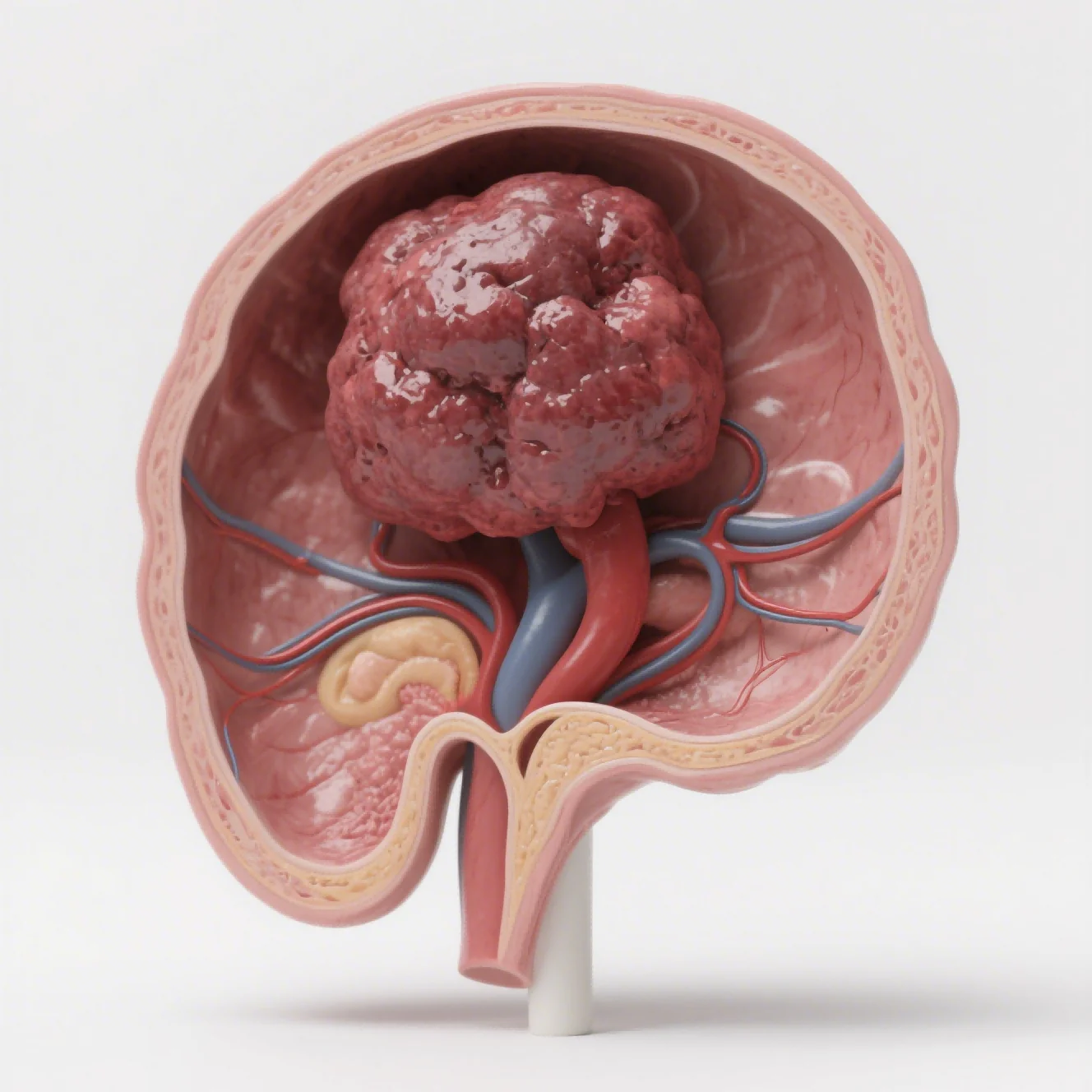
An orthotopic system becomes more relevant when tissue context matters. Tumor cells or tissue fragments are implanted at the anatomically corresponding site within the organ of origin,, allowing researchers to study growth within a more disease-relevant environment. The decision should reflect the hypothesis rather than simply follow a standard laboratory workflow.
Evaluate Tumor Microenvironment
Tumors do not exist as isolated masses of malignant cells. Blood vessels, extracellular matrix, stromal components, surrounding tissues, and local signaling networks can all influence tumor behavior and drug response. A model that better reflects the relevant tissue context may reveal effects that are difficult to observe in simpler systems.
Drug exposure can also vary according to anatomical location. Blood supply, tissue barriers, metabolic activity, and local drug transport may affect how much compound reaches the tumor. Consequently, two models using the same cancer cell source can produce different pharmacological results when their implantation sites differ.
Metastatic behavior adds another layer of complexity. Some therapies may suppress growth at the primary site without substantially affecting dissemination, while others may influence colonization of specific organs. If metastasis is central to the research question, model selection should distinguish between spontaneous metastasis from a primary tumor and experimental metastasis following intravascular tumor-cell injection..
Compare Model Types Carefully
Model selection should account for both biological relevance and practical feasibility. Subcutaneous systems generally offer easier tumor monitoring and relatively straightforward study management, whereas orthotopic approaches require more specialized implantation procedures and may involve imaging or tissue-based assessment.
Our team at Jennio Biotech develops orthotopic tumor models for diseases including liver cancer, cervical cancer, and gastric cancer by placing tumor cells or tissue fragments into corresponding anatomical sites in immunodeficient mice, such as the liver capsule, cervix, or gastric wall. Our broader cell resource library supports CDX studies across lung cancer, colorectal cancer, and leukemia, with STR authentication and drug-resistance prescreening information available for selected resources. Imaging, pathology, and other downstream assessments can also be incorporated according to study requirements.
The choice should also reflect the stage of development. A simpler model may provide useful information during early compound comparison, while a more physiologically relevant system can be considered when researchers need deeper evidence regarding tissue-specific response, invasion, or metastatic behavior.
Match Endpoints to Model Purpose
A suitable model still requires appropriate endpoints. Tumor volume can provide a useful measure of growth inhibition, but it does not necessarily explain why a treatment worked or failed. Body weight, clinical observations, time to a predefined humane endpoint where relevant,, imaging findings, and tissue biomarkers may add important context depending on the study.
Histopathological assessment can reveal structural changes that external tumor measurements cannot capture. Researchers may examine necrosis, cellular morphology, vascular characteristics, or treatment-associated tissue changes. Immunohistochemistry can further support investigation of protein expression, localization, and selected markers of pathway activity.
Mechanistic studies benefit from aligning endpoint selection with the proposed mode of action. A targeted therapy, for example, may require evidence of pathway modulation in addition to tumor growth data. Collecting the right measurements can make a model substantially more informative without simply increasing the number of experimental readouts.
Consider Translational Relevance
Clinical translation is influenced by how closely a preclinical system represents the biological conditions relevant to human disease. Orthotopic models can retain anatomical relationships that are absent from ectopic implantation, which may be particularly valuable when local invasion, vascular interactions, or organ-specific drug exposure are part of the hypothesis.
Clinical attrition in oncology drug development also highlights why model selection deserves careful consideration. The frequently cited figure of approximately 70% should not be interpreted as a direct causal measure of subcutaneous xenograft limitations, because clinical attrition has many contributing factors, including safety, pharmacokinetics, efficacy, trial design, and disease heterogeneity. A more biologically relevant model can provide additional evidence, but it cannot predict clinical outcomes by itself.
A sensible development strategy may use several complementary systems rather than expecting one model to answer every question. Results from a practical screening model can be compared with findings from an organ-specific or metastatic model, allowing researchers to determine whether treatment activity remains consistent as biological complexity increases.
Conclusion
Selecting an appropriate tumor system is fundamentally an exercise in matching evidence to the question being asked. Oncology models should be judged not only by how easily tumors can be established, but also by whether their biological characteristics support the intended interpretation of treatment response.
We at Jennio Biotech consider tumor origin, implantation site, microenvironment, study endpoints, and downstream analysis when developing model-based research strategies. A thoughtful selection process gives researchers a stronger basis for understanding efficacy, mechanism, and translational relevance without assuming that any single experimental system can represent the full complexity of human cancer.