
In the intricate world of drug development, understanding the safety and efficacy of candidate drugs is paramount. Non-GLP studies toxicology services offer invaluable insights during the early preclinical phase, bridging the gap between laboratory research and clinical trials. By identifying potential adverse effects early on, these services provide a foundation for establishing safe starting doses for further testing. Effective drug development hinges on a robust analysis of safety data, highlighting the critical nature of these services in the initial phases.
Understanding Toxicology’s Role in Drug Development
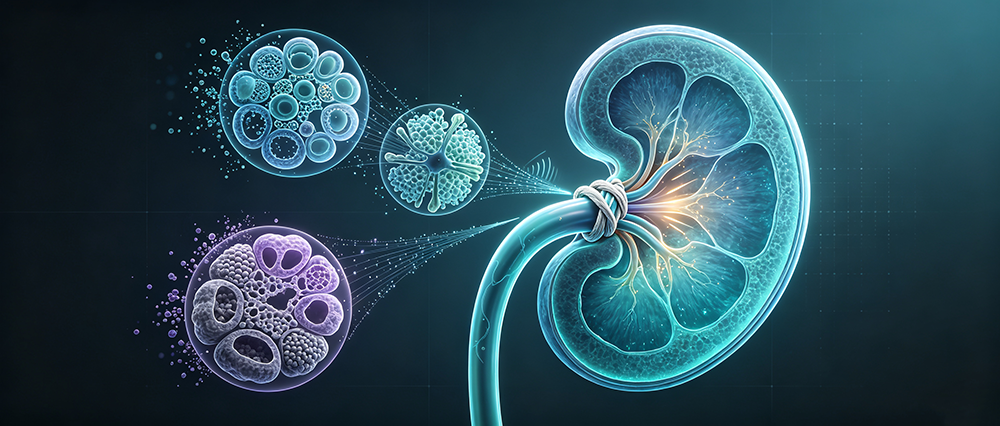
Toxicology is the study of the adverse effects of chemical substances on living organisms. Before a drug can progress to clinical trials, it’s essential to evaluate its safety profile through rigorous testing. Non-GLP studies serve as preliminary assessments that help identify toxic outcomes in target organs (e.g., liver, kidney, heart), measure dose‑dependent toxicity, and explore the relationship between drug exposure and potential side effects. This step is crucial in determining appropriate doses for subsequent GLP studies. By conducting these early evaluations, developers can gain insights that minimize the risk of encountering unforeseen complications in later preclinical and clinical phases. Non-GLP studies are typically faster, more flexible, and less expensive than their GLP counterparts, making them ideal for early candidate selection and go/no-go decisions.
Tailored Approaches to Non-GLP Studies
Every drug is unique, and so is its safety profile. Customizing non-GLP studies to meet the specific needs of each compound is a best practice. Pharmacology and toxicology experts work closely with sponsors to design studies that reflect the particular characteristics and intended uses of their compounds. This tailored approach not only accelerates the drug development process but also ensures that safety evaluations are relevant and context-sensitive. Through comprehensive preliminary assessments, researchers can pinpoint potential toxic target organs and establish a foundation for future research. Factors such as route of administration, formulation, and dosing regimen should all be carefully considered when designing non-GLP toxicology studies.
Strategic Benefits of Early Toxicity Assessments
Conducting non-GLP toxicology studies can lead to significant strategic advantages. Early identification of toxic effects allows for informed decision-making regarding drug formulation and dosage adjustments, reducing the need for extensive repetitions of subsequent efficacy tests. By engaging in these preliminary evaluations, researchers can navigate the drug development landscape more efficiently. Additionally, the data derived from these studies supports the establishment of a sound monitoring strategy for clinical trials, thus ensuring a greater likelihood of successful transition to GLP studies and regulatory discussions.. Early toxicity data can also guide the selection of the most suitable animal species for subsequent GLP studies, saving both time and resources.
Conclusion
The importance of non-GLP studies toxicology services in drug development cannot be overstated. These services not only aid in the early characterization of drug safety but also deliver critical data that underpin subsequent clinical trials. At Jennio Biotech, our commitment to providing tailored, expert-driven toxicity assessments supports our clients in minimizing risks and optimizing their research timelines. With our ISO-accredited facilities and full-chain preclinical expertise, we ensure reliable non-GLP toxicology data for confident decision-making. As the challenges of drug development continue to evolve, leveraging the insights gained from meticulous non-GLP studies will be essential for the successful transition from laboratory to market.