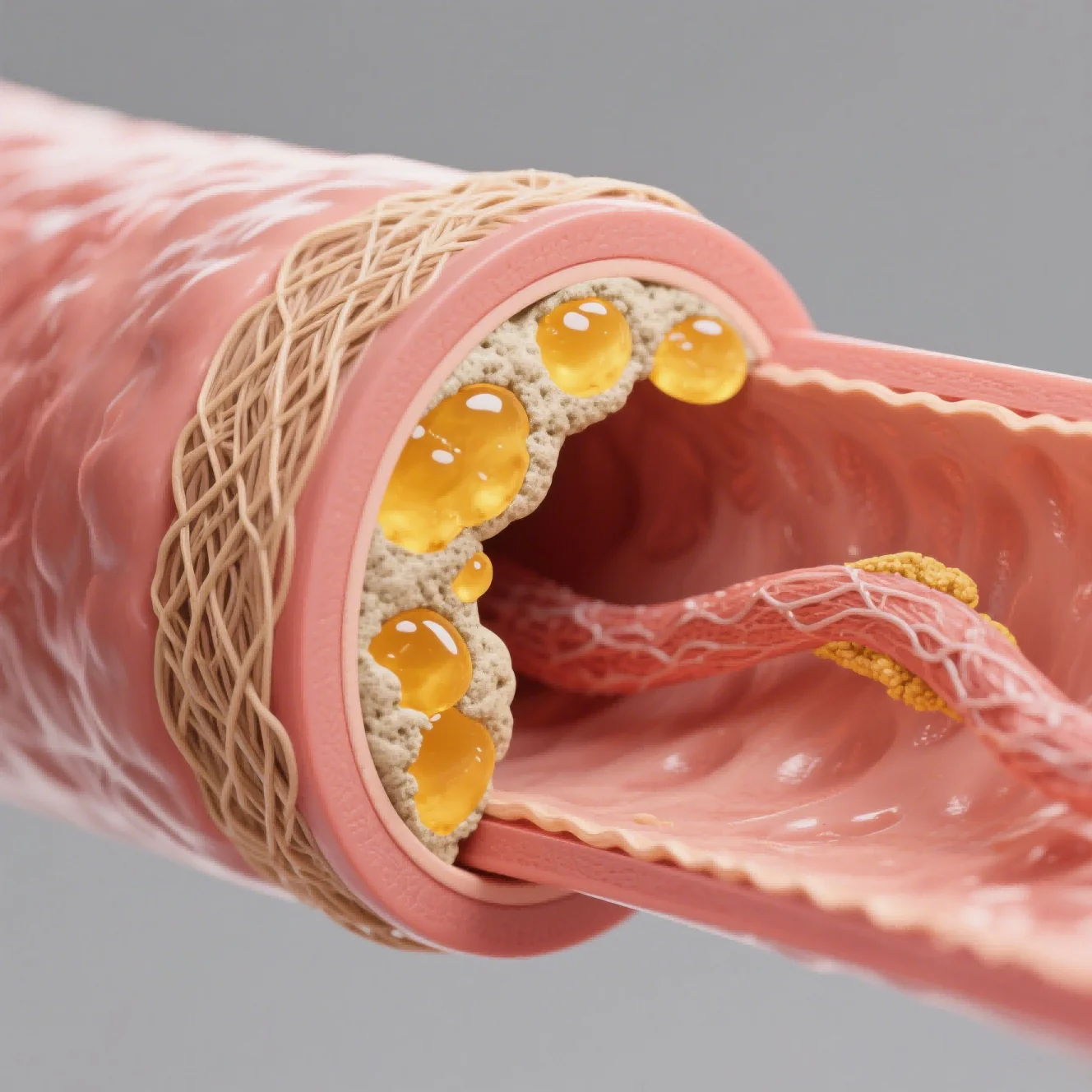
Monitoring tumor progression is a critical step in preclinical cancer research, especially when evaluating therapeutic candidates in animal studies. A well-designed monitoring strategy helps researchers collect accurate data and understand treatment responses.
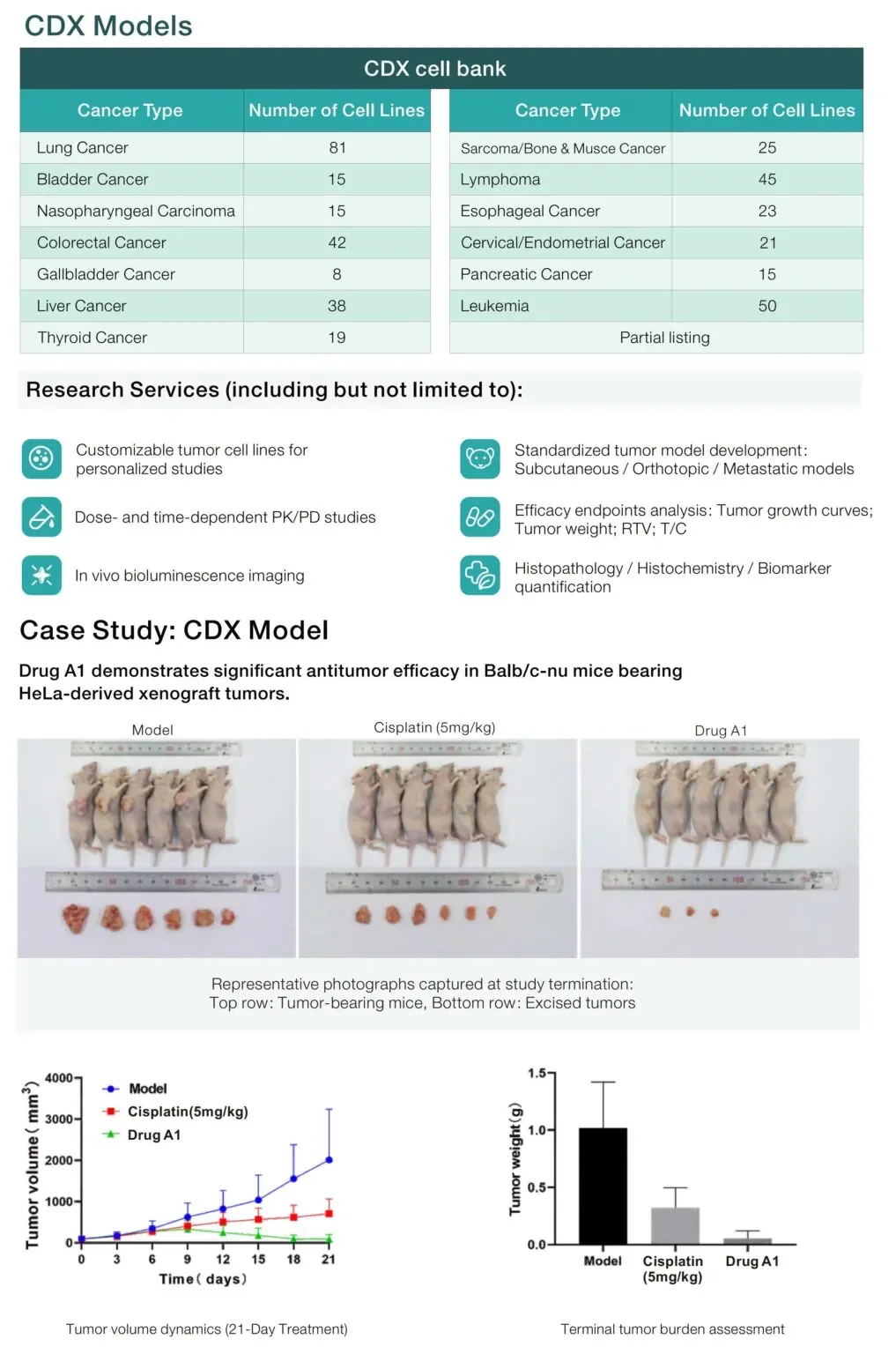
A xenograft tumor model provides a valuable platform for studying tumor growth, antitumor activity, and biological mechanisms in vivo. However, successful experiments require continuous observation, appropriate measurement methods, and careful interpretation of experimental results.
For researchers conducting oncology studies, establishing a standardized monitoring workflow can improve data quality and reduce experimental uncertainty. In this article, we discuss essential approaches for monitoring xenograft studies and the key factors that influence reliable evaluation.
Establishing a Comprehensive Monitoring Plan for Xenograft Tumor Model Studies
Before starting an experiment, researchers should define clear monitoring objectives based on the study design. Different research goals, such as evaluating anticancer activity or investigating tumor biology, may require different observation strategies.
A typical monitoring plan includes tumor size measurement, body weight tracking, animal health evaluation, and predefined humane endpoints. Regular data collection allows researchers to identify growth patterns and detect treatment-associated changes caused by experimental treatments.
When working with a xenograft tumor model, consistency is essential. Measurements should be performed at scheduled intervals using standardized procedures to minimize variation between different experimental groups.
Researchers should also establish criteria for evaluating treatment responses. These criteria may include changes in tumor growth rate, tumor regression patterns, and overall animal condition throughout the study period.
Measuring Tumor Growth and Experimental Progress
Tumor volume measurement is one of the most commonly used methods for monitoring tumor development in vivo. Researchers typically measure tumor dimensions with appropriate instruments and calculate volume changes over time.
Accurate measurements require attention to technique. The same personnel, measurement methods, and recording procedures should be used whenever possible to maintain data consistency.
In addition to physical measurements, imaging technologies can provide additional information about tumor progression. Depending on the tumor location, biological endpoint, and availability of suitable imaging reporters,, methods such as ultrasound imaging, magnetic resonance imaging, or optical imaging may help visualize tumor changes.
A complete evaluation should not rely on a single measurement. Combining multiple monitoring approaches provides a more comprehensive understanding of tumor behavior and treatment effects.
Evaluating Animal Health During Xenograft Experiments
Monitoring animal health is equally important because changes in physiological condition may influence experimental interpretation. Researchers should regularly observe factors such as body weight, activity level, appearance, and general behavior.
Body weight monitoring is a practical indicator of animal tolerance during treatment studies. Significant changes may indicate potential treatment-related effects or experimental complications that require further evaluation.
A carefully managed xenograft tumor model experiment should balance scientific objectives with appropriate animal welfare considerations. Regular health assessments help researchers maintain reliable study conditions throughout the experimental period.
Recording observations in detail is also valuable for later analysis. Comprehensive documentation allows researchers to compare results across studies and identify possible factors affecting experimental outcomes.
Improving Data Accuracy Through Standardized Analysis
Reliable data analysis depends on consistent experimental records. Researchers should organize tumor measurements, treatment information, and observational data in a structured format to support accurate interpretation.
Data should be reviewed throughout the experiment rather than only at the endpoint. Ongoing quality-control review can help identify unexpected trends data-entry errors, or protocol deviations, while any additional assessments should be scientifically justified and documented.
Statistical evaluation is another important component of tumor model monitoring. Analysis methods should account for longitudinal tumor measurements, group allocation, variability, and missing data, helping determine whether observed differences are statistically and biologically meaningful.
Jennio Biotech understands that high-quality experimental models require careful planning and detailed evaluation. By supporting researchers with reliable model resources and scientific expertise, we aim to contribute to efficient preclinical research workflows.
Common Challenges When Monitoring Tumor Models
Although xenograft studies are widely used in oncology research, several challenges may affect monitoring accuracy. Variability in tumor establishment, growth rates, and biological characteristics can influence experimental results.
Researchers should consider these factors when designing studies and interpreting data. Using appropriate controls and maintaining consistent experimental conditions can help reduce potential variability.
Another challenge is selecting monitoring methods that match the research purpose. Some studies may require frequent measurements, while others may focus on specific biological endpoints after treatment.
A flexible but standardized monitoring strategy allows researchers to adapt their approach while maintaining scientific reliability. This is particularly important for complex cancer research projects involving multiple evaluation criteria.
Selecting Suitable Models and Research Support
The choice of an appropriate experimental system plays an important role in successful oncology research. Different tumor sources and study designs may provide different advantages depending on the research objectives.
A well-established cell-derived model can help researchers investigate tumor growth characteristics and evaluate potential therapeutic approaches. Proper model selection, combined with effective monitoring methods, supports more meaningful experimental outcomes.
At Jennio Biotech, we focus on providing preclinical oncology models and in vivo efficacy evaluation services that help scientists conduct preclinical studies efficiently. Our experience in biotechnology enables us to support researchers study design, model execution, tumor monitoring, and endpoint analysis
Conclusion
Effective monitoring is essential for obtaining meaningful results from xenograft tumor model experiments. A combination of tumor measurement, animal health evaluation, imaging approaches, and structured data analysis can improve research accuracy.
Researchers should develop monitoring strategies that align with their experimental goals while maintaining consistency throughout the study process. Careful planning and detailed observation are key factors in generating reliable preclinical data.
By applying standardized monitoring practices, scientists can better understand tumor development and treatment responses. Jennio Biotech continues to support life science researchers by providing resources designed to facilitate high-quality experimental research.