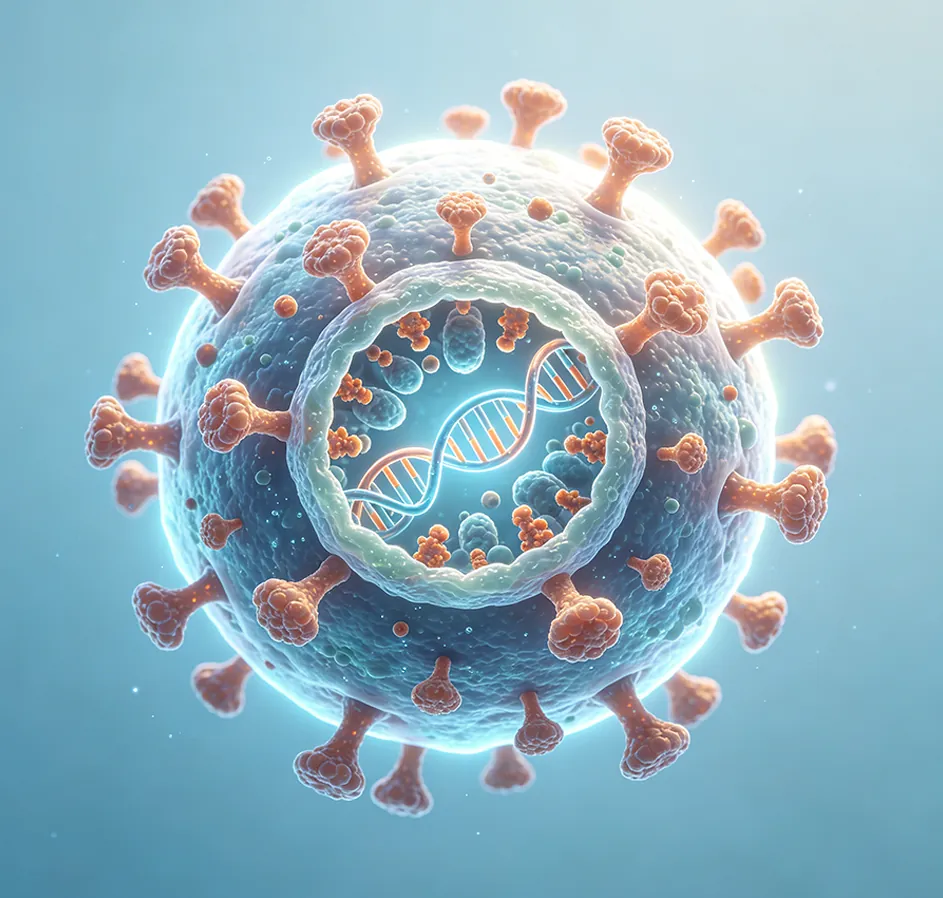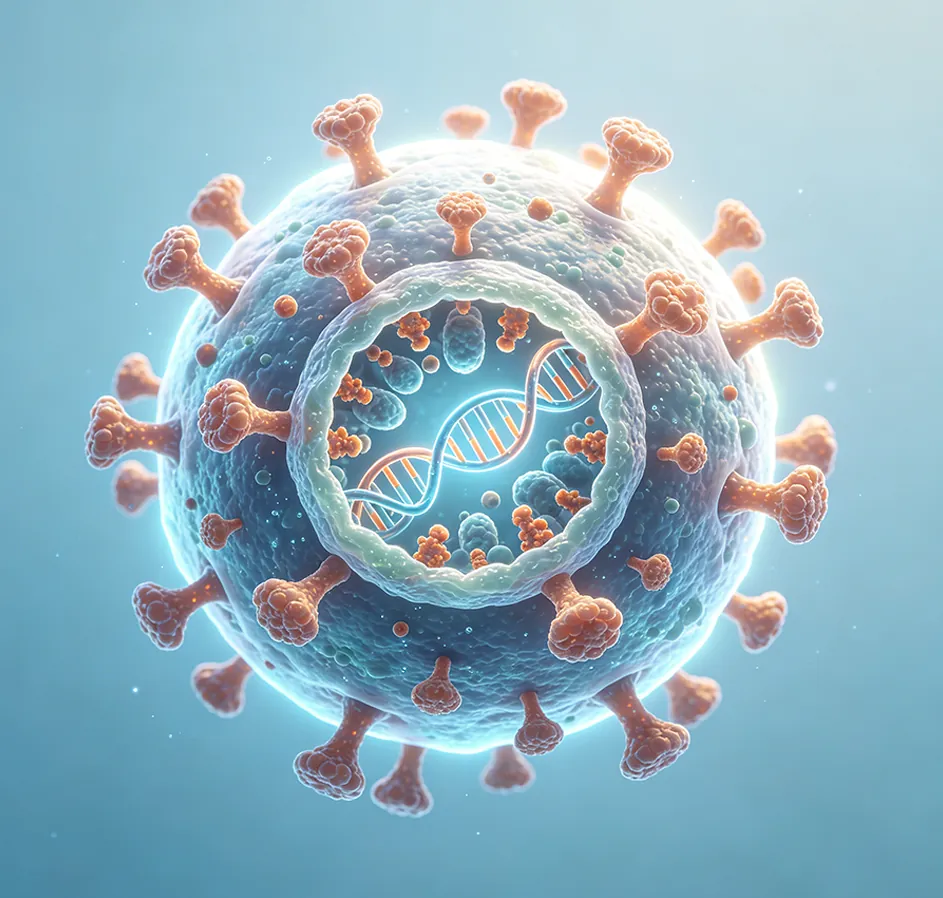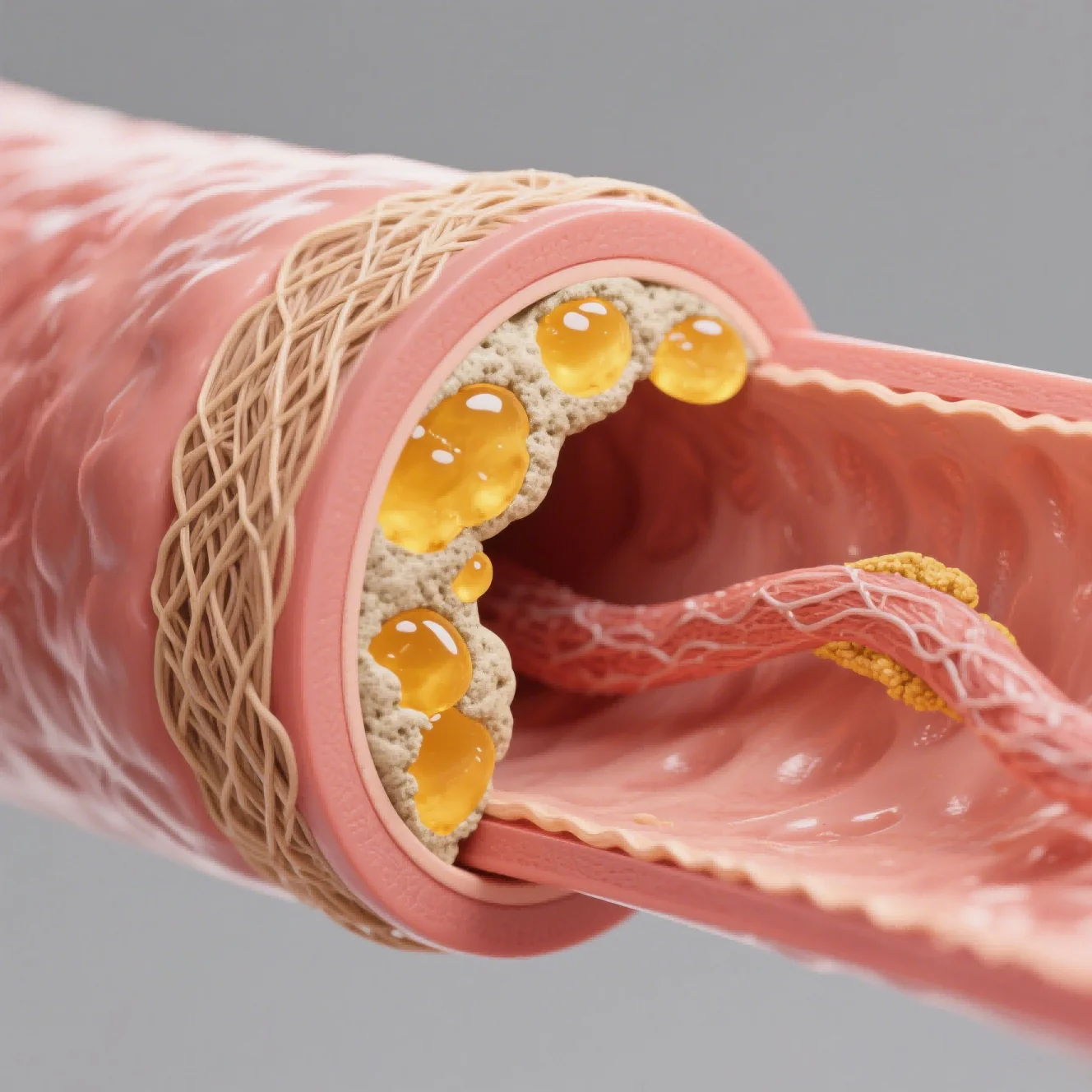
Cancer research depends on reliable preclinical models that can recapitulate relevant aspects of tumor development and treatment responses. As researchers continue improving therapeutic strategies, traditional models are being complemented by more biologically relevant approaches.
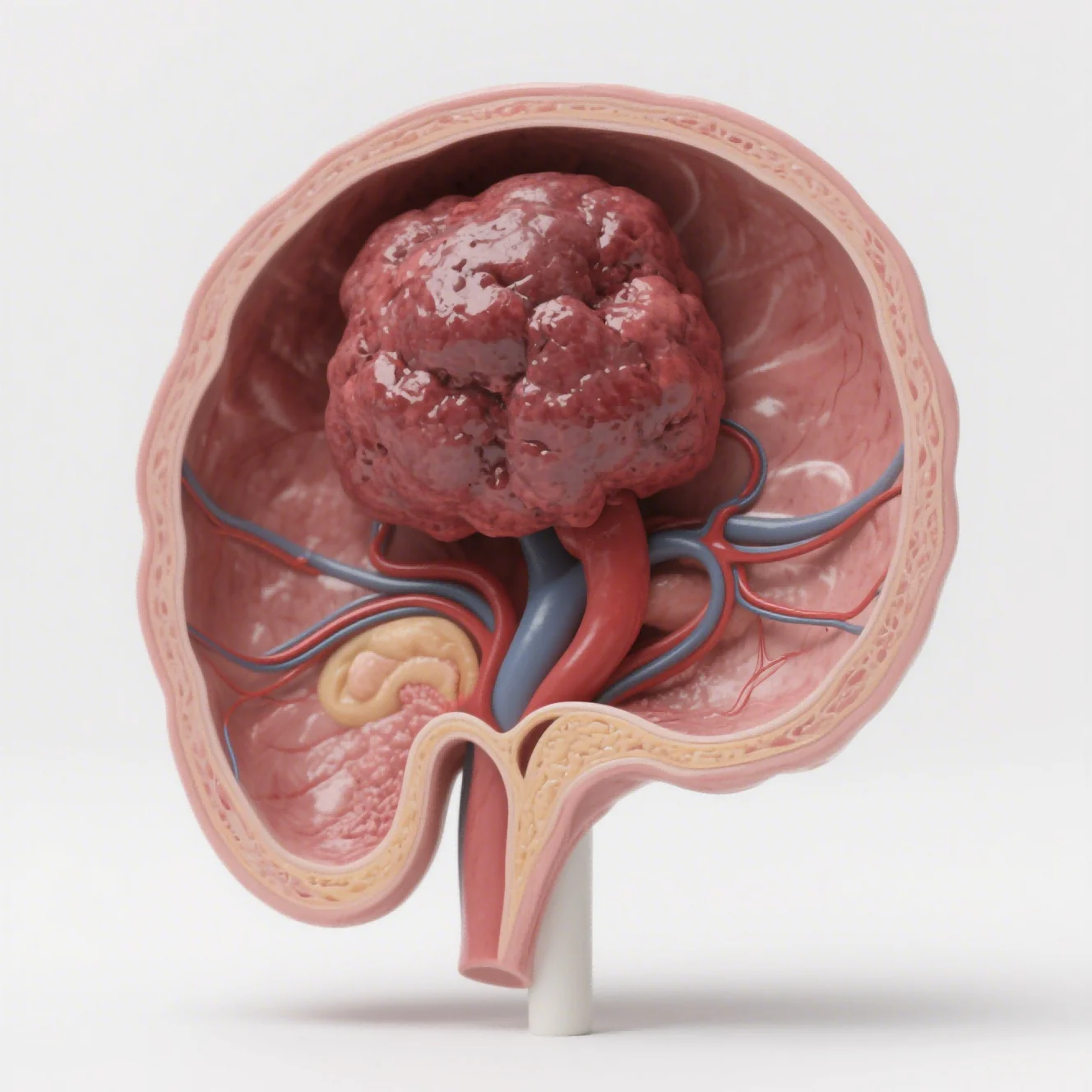
An orthotopic tumor model has become an important tool in oncology research because it allows tumor cells or tissues to grow in their corresponding anatomical locations. This approach helps researchers study tumor behavior within a more anatomically and biologically relevant local environment..
For drug discovery teams and biotechnology companies, understanding the applications of these models is essential for designing effective preclinical studies. These models provide valuable insights into tumor growth, drug efficacy, metastasis, and interactions with surrounding tissues.
Understanding the Importance of Orthotopic Tumor Models
Traditional subcutaneous tumor models are widely used because they are relatively simple to establish and monitor. However, they may not fully reproduce the conditions found in human cancers because tumors develop outside their natural tissue environment.
An orthotopic tumor model places cancer cells or tumor tissues into the organ where the cancer naturally occurs. This allows researchers to evaluate tumor progression while considering factors such as local tissue structure, tumor microenvironment, and interactions between cancer cells and surrounding biological components.
This approach is particularly valuable when studying cancers that depend heavily on their original tissue environment. The location of tumor growth can influence invasion patterns, vascular development, and responses to therapeutic candidates.
At Jennio Biotech, we recognize that selecting appropriate model, implantation method, and evaluation endpoints is a key step in generating meaningful preclinical data. Carefully designed tumor models can support more informed decisions during early-stage drug development.
Key Application 1: Evaluating Anti-Cancer Drug Efficacy
One of the primary applications of these models is evaluating potential cancer therapies. Before advancing a candidate toward clinical studies, researchers need to understand how effectively a compound can control tumor growth in a biological system.
An orthotopic tumor model provides researchers with a platform to assess therapeutic effects in a context that better reflects the tumor’s anatomical site and local microenvironment.. It can help evaluate tumor burden, growth inhibition, treatment response, and selected pharmacodynamic markers.
These studies are commonly used during the development of small molecules, biologics, antibody-based therapies, and combination treatments. By observing how candidates perform in a relevant tumor environment, researchers can collect additional evidence to guide development strategies.
For biotechnology companies, this information can help prioritize promising candidates and optimize experimental designs before entering more advanced research stages.
Key Application 2: Studying Tumor Microenvironment Interactions
Cancer progression is influenced not only by tumor cells but also by surrounding components, including stromal cells, blood vessels, and immune-related factors. Understanding these interactions is essential for developing effective therapies.
Compared with simpler models, orthotopic approaches provide opportunities to investigate how tumors interact with their natural environment. Researchers can study changes in tumor biology, treatment responses, and disease progression under conditions that better reflect the original cancer site.
This application is especially important for immuno-oncology research, where the relationship between tumors and immune responses plays a major role. Advanced models can support studies exploring therapeutic mechanisms and potential resistance factors.
Key Application 3: Investigating Tumor Metastasis and Disease Progression
Metastasis remains one of the greatest challenges in cancer treatment. Understanding how cancer spreads from the primary tumor site to other organs requires models that can reproduce important aspects of disease development.
Orthotopic approaches allow researchers to observe tumor invasion and metastatic behavior in a more clinically relevant setting. These studies can provide insights into how cancer cells migrate, establish secondary sites, and respond to therapeutic interventions.
Patient-derived orthotopic models have also attracted attention because they can preserve certain characteristics of human tumors. Such models may support translational studies, treatment-response research, and exploratory biomarker evaluation.
Key Application 4: Supporting Personalized Cancer Research
The development of precision medicine has increased demand for models that better represent individual patient tumors. Researchers are exploring patient-derived materials and advanced transplantation methods to create models with improved predictive value.
These approaches can help evaluate how specific tumors respond to different treatment options. By comparing therapeutic candidates in biologically relevant systems, scientists may gain additional information for selecting potential strategies.
Although these models require specialized expertise and careful experimental planning, they offer valuable opportunities for improving cancer research outcomes.
Considerations When Selecting Orthotopic Tumor Models
While these models provide important advantages, researchers should carefully consider study objectives before selecting a specific approach. Factors such as tumor type, research goals, available resources, and required analysis methods can influence model selection.
Compared with simpler models, orthotopic studies may involve more complex procedures, specialized monitoring techniques, and additional experimental considerations. Therefore, experienced research support is often valuable when designing and conducting these studies.
Jennio Biotech provides customized research solutions that help scientists develop appropriate experimental strategies for tumor-related studies. Our services can include model selection, study design, model establishment, in vivo efficacy evaluation, and study-specific endpoint analysis to support reliable and interpretable preclinical data.
Conclusion
Orthotopic tumor models have become an important component of modern cancer research because they provide a more realistic environment for studying tumor biology and therapeutic responses. Their applications include drug efficacy evaluation, microenvironment analysis, metastasis research, and precision medicine development.
As cancer research continues to evolve, selecting appropriate preclinical models will remain essential for improving the quality of experimental data. Researchers who understand the strengths and limitations of each model can design more effective studies and make better-informed development decisions.
Through scientific expertise and customized research support, Jennio Biotech helps researchers explore advanced cancer models and accelerate the discovery of potential therapeutic solutions. With continued innovation in oncology research, these models will continue playing an important role in connecting laboratory studies with future clinical applications.