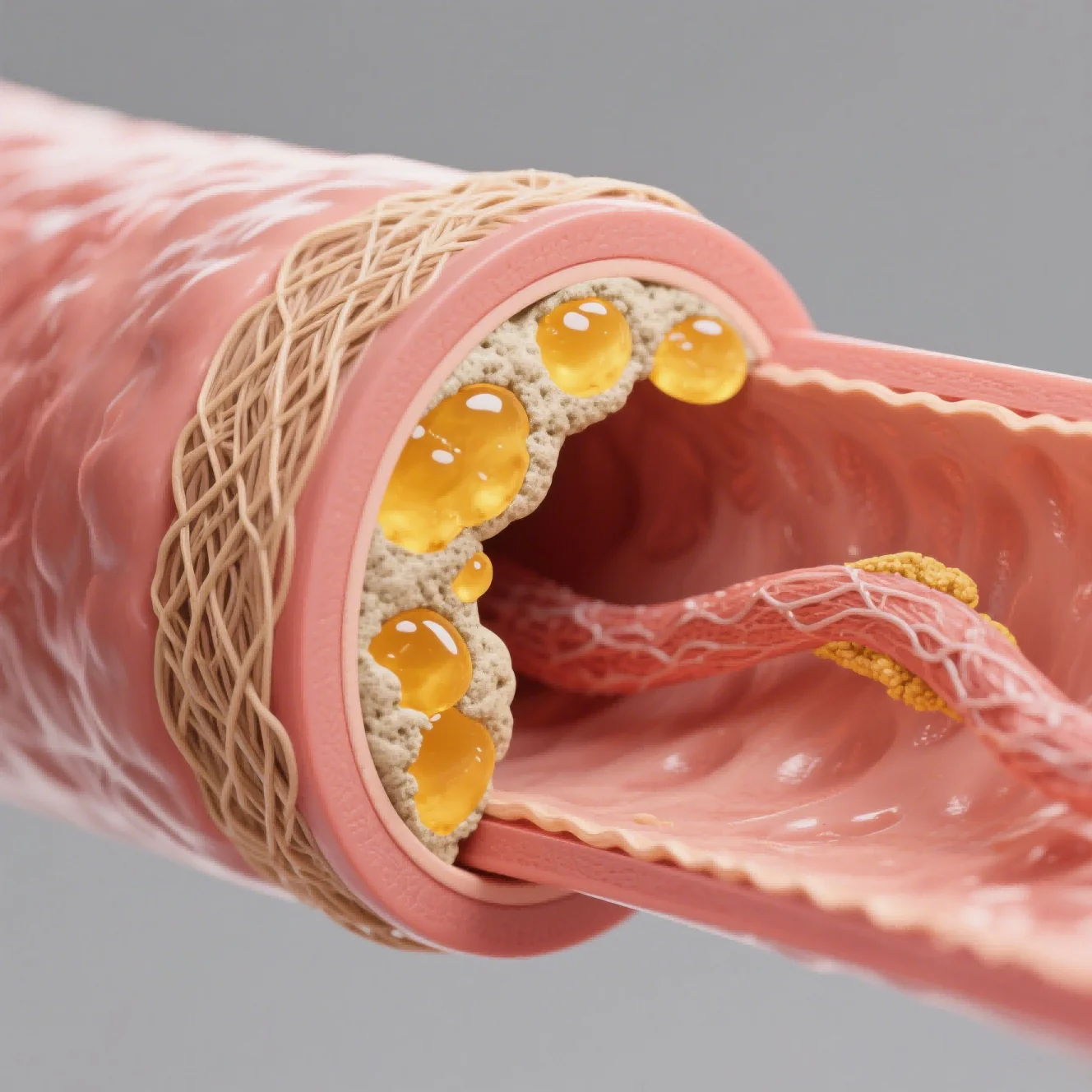
Breast cancer research depends on experimental models that can closely represent the biological environment of human tumors. Selecting an appropriate model is essential for evaluating tumor growth, treatment responses, and potential therapeutic strategies.
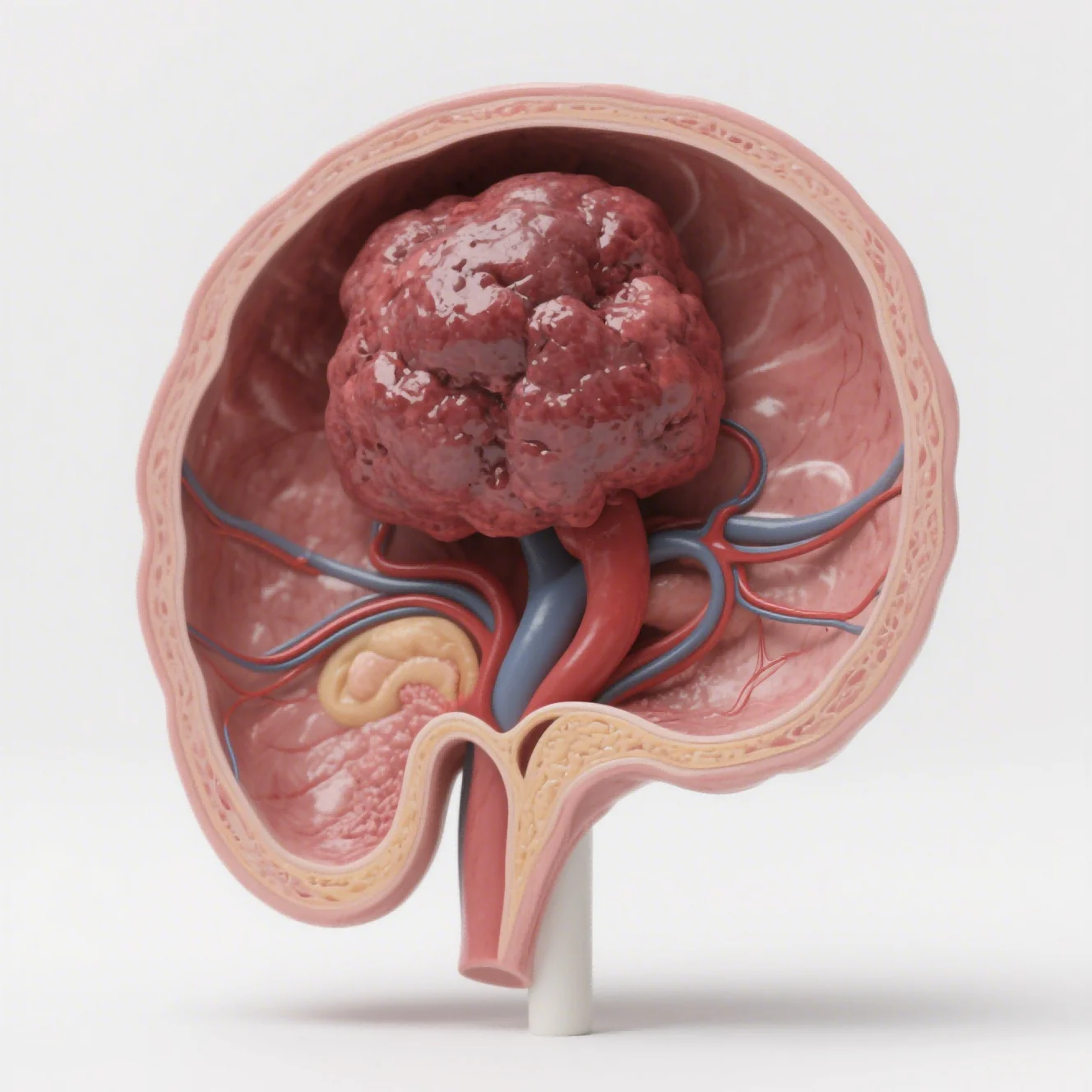
Traditional laboratory models have contributed significantly to cancer research, but some may not fully reproduce the organ-specific tumor microenvironment or patterns of local invasion and metastasis.. Researchers increasingly explore advanced in vivo approaches that provide more realistic information about tumor behavior and drug performance.
At Jennio Biotech, we recognize that selecting an appropriate preclinical model is a critical component of oncology study design.. Appropriate model selection can improve research efficiency and provide valuable insights during early-stage investigation.
What Is an Orthotopic Breast Tumor Model?
An orthotopic breast tumor model is an in vivo cancer research approach in which tumor cells or tumor tissue are implanted into an anatomically relevant mammary site, such as the mammary fat pad.. Instead of placing tumor cells in an unrelated location, this strategy allows researchers to study cancer growth within the native breast tissue environment.
The surrounding tissue environment plays a major role in tumor progression. Factors such as blood supply, extracellular matrix interactions, immune responses, and communication between tumor cells and normal tissues can influence cancer behavior.
By maintaining a more relevant tumor location, researchers can obtain information that may better reflect the biological characteristics of breast cancer compared with some conventional models.
Advantages of Using Orthotopic Models in Cancer Research
Better Tumor Microenvironment Representation
One of the main advantages of orthotopic models is their ability to recapitulate key aspects of the interactions between tumor cells and surrounding tissues. The tumor microenvironment influences many aspects of cancer development, including invasion, metastasis, and response to therapy.
A model that better represents these interactions can provide researchers with more meaningful biological observations. This is particularly important when studying therapies designed to affect tumor progression or modify the immune environment.
More Relevant Drug Evaluation
Preclinical drug testing requires models that can provide reliable information about treatment effects. The location of tumor growth may influence drug distribution, tumor response, and biological outcomes.
An orthotopic breast tumor model allows researchers to evaluate therapeutic candidates in a setting that better reflects site-specific tumor growth and tumor–host interactions.. This can support better assessment of anticancer compounds, targeted therapies, and combination treatment strategies.
Research on Tumor Growth and Metastasis
Breast cancer progression involves complex processes, including local invasion and distant metastasis. Experimental models that maintain anatomical relevance can help scientists investigate these mechanisms more effectively.
Researchers can analyze tumor development patterns, evaluate metastatic potential, and explore molecular changes associated with disease progression. These findings may inform the identification and validation of potential therapeutic targets and the design of subsequent preclinical studies..
Factors to Consider Before Choosing an Orthotopic Model
Although orthotopic models provide important advantages, researchers should carefully consider whether they match their specific study goals. Different research projects may require different experimental designs depending on the therapeutic candidate, research questions, and evaluation methods.
The choice of tumor cell type is one important factor. Researchers need to select appropriate cell lines or tumor materials that align with the objectives of the study. The characteristics of the tumor source can influence growth patterns and treatment responses.
Another consideration is study complexity. Compared with subcutaneous tumor models, orthotopic approaches may require specialized implantation procedures, imaging-based monitoring, and experienced technical support.
When Are Orthotopic Models Worth Using?
For researchers focused on understanding tumor biology, evaluating anticancer treatments, or studying interactions within the tumor environment, orthotopic approaches can provide valuable advantages.
These models are especially useful when standard experimental systems do not provide enough information about tumor behavior. For example, studies involving targeted therapies or immune-related treatments may benefit from a more physiologically relevant environment, whereas immunotherapy studies require an immune-competent, humanized, or otherwise appropriately selected model system.
However, the decision should be based on the specific purpose of the research. A simpler model may be suitable for certain screening studies, while more advanced approaches may be necessary for deeper biological investigation.
Jennio Biotech supports researchers by providing customized preclinical research solutions that align with different cancer research objectives. Our goal is to help scientists select suitable approaches for generating meaningful experimental data.
Challenges and Limitations of Orthotopic Research Models
Despite their benefits, orthotopic models also present challenges. Experimental procedures may require higher technical expertise compared with basic tumor models. Researchers must also consider factors such as study design, monitoring methods, and data interpretation.
Biological variability is another important consideration. Tumor models represent specific experimental conditions and should be carefully interpreted when applying findings to broader biological questions.
Successful research requires balancing model complexity with scientific objectives. A well-designed study should provide the necessary biological information while maintaining practical feasibility.
How Advanced Tumor Models Support Future Cancer Research
Cancer research continues to move toward more accurate and predictive experimental systems. As researchers seek better ways to understand disease mechanisms and evaluate therapies, advanced in vivo models will remain an important tool.
An orthotopic breast tumor model can contribute to this progress by helping scientists study cancer in a more relevant biological context. These approaches may support improved candidate selection, more accurate treatment evaluation, and deeper understanding of tumor development.
Future advances in oncology research will likely depend on combining high-quality models with molecular analysis, imaging technologies, and other advanced research methods.
Making Informed Decisions About Tumor Models
Choosing whether to use an advanced tumor model depends on the research goals, available resources, and the type of biological questions being investigated. Orthotopic approaches offer valuable opportunities to study breast cancer progression and therapeutic responses in a more realistic environment.
For researchers working on complex cancer studies, these models can provide insights that may not be achieved through simpler systems. Careful planning and appropriate experimental design are essential for maximizing their value.
Jennio Biotech continues to assist life science researchers with flexible and scientifically focused research services. By selecting suitable models and strategies, scientists can improve the quality of preclinical studies and support evidence-based decisions during the development of potential cancer therapies.