Oncology research relies heavily on experimental systems that help scientists understand tumor biology, evaluate therapeutic candidates, and explore treatment mechanisms. Proper laboratory safety practices are essential because these studies often involve biological materials, animal models, hazardous agents, genetically modified cells,and complex experimental procedures.
Maintaining a safe research environment requires careful planning, standardized workflows, and appropriate risk management. Well-managed laboratories can improve experimental consistency while protecting researchers and supporting reliable scientific outcomes.
When working with oncology models, researchers must consider multiple safety factors, including biological containment, equipment operation, sample handling, and documentation. Following structured safety procedures helps ensure that cancer research activities are conducted responsibly and efficiently.
Establishing Proper Safety Practices for Oncology Models
The first step in maintaining laboratory safety is understanding the characteristics of the experimental system. Different oncology models may involve tumor cells, biological samples, or animal-based research platforms that require specific handling procedures.
Researchers should develop clear protocols and applicable standard operating procedures before beginning experiments, following institutional biosafety and animal ethics requirements where relevant. These protocols should define sample preparation methods, handling requirements, decontamination and waste disposal procedures, exposure management,and emergency responses.
A well-organized laboratory environment also reduces unnecessary risks. Workspaces should be properly maintained, equipment should be regularly checked, and all team members should understand their responsibilities during experiments.
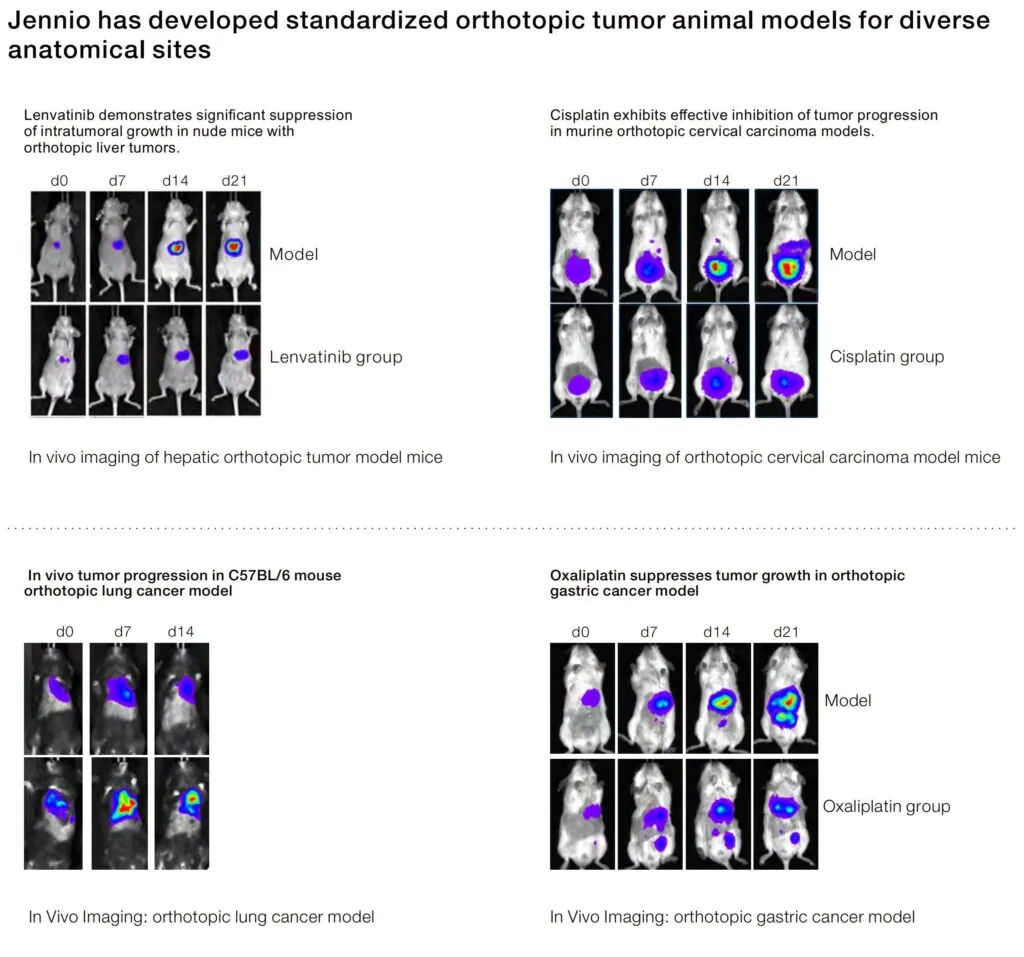
For studies involving tumor-related research systems, researchers often need to combine biological knowledge with study-specific risk assessment and appropriate containment measures.. Jennio Biotech supports oncology research through specialized model development services, including tumor-related research platforms designed to assist preclinical investigations.
Safe Handling of Biological Materials During Oncology Research
Biological material management is one of the most important aspects of laboratory safety. Researchers should follow established procedures when handling cell cultures, tissue samples, and other biological components.
Proper identification and labeling of samples help prevent errors during experiments. Each sample should include a unique identifier and relevant information such as material identity, source, biohazard status, collection or preparation date, and storage conditions.
Researchers should also maintain strict separation between different experimental materials. This practice helps minimize contamination risks and improves the reliability of research results.
When conducting oncology experiments, laboratory teams should pay attention to biosafety requirements related to the specific materials being studied. Appropriate protective equipment, controlled working areas, and standardized handling procedures contribute to safer research operations.
Equipment Management and Experimental Workflow Control
Laboratory equipment plays a major role in oncology research quality. Instruments used for imaging, analysis, or sample processing should be operated according to established procedures.
Before starting experiments, researchers should confirm that equipment functions properly. Regular maintenance and calibration help reduce technical errors that could affect experimental interpretation.
Workflow organization is equally important. Researchers should design procedures that minimize unnecessary movement between different laboratory areas and reduce the possibility of procedural mistakes.
For complex oncology experiments, consistent documentation is valuable. Recording experimental conditions, observations, and modifications allows researchers to review procedures and improve future studies.
Animal Model Safety Considerations in Oncology Research
Animal-based oncology studies require additional attention because they involve both biological research objectives and animal welfare responsibilities. Researchers must follow ethically reviewed and institutionally approved protocols, predefined humane endpoints, and applicable animal care requirements.
Careful monitoring of experimental animals is essential throughout the study process. Researchers should observe relevant indicators and document findings according to established research requirements.
Different oncology models may provide different research advantages depending on the scientific objective. For example, tumor models can help evaluate disease progression, therapeutic responses, and biological mechanisms in a more complex environment than simple laboratory systems.
Proper training is also important for personnel involved in animal studies. Team members should understand experimental procedures, handling methods, and safety requirements before participating in research activities.
Data Management and Documentation Best Practices
Accurate documentation is a key component of safe and reliable oncology research. Researchers should maintain detailed records of experimental procedures, sample information, and study observations.
Good documentation practices allow research teams to identify potential issues and improve experimental reproducibility. They also support communication between different departments or external research partners.
Data security should also be considered. Research information should be stored using appropriate systems to prevent accidental loss or unauthorized access.
Jennio Biotech provides customized preclinical oncology support, including fit-for-purpose model selection, study design, in vivo efficacy assessment, and study-specific data analysis, help research teams generate reliable and interpretable results.
Common Mistakes to Avoid in Oncology Model Experiments
One common mistake is starting experiments without sufficient preparation. Researchers should evaluate potential risks and establish detailed procedures before conducting studies.
Another issue is inconsistent laboratory practices. Even small differences in handling methods, environmental conditions, or documentation can influence experimental results.
Insufficient training can also create challenges. All personnel involved in oncology research should understand laboratory procedures and safety expectations to maintain consistent standards.
Researchers should also avoid selecting experimental models without considering their research goals. The appropriate model depends on the specific scientific question, therapeutic approach, and required evaluation methods.
Improving Research Quality Through Better Safety Management
Safety management is not only about preventing problems; it also supports better research performance. A controlled laboratory environment allows researchers to focus on scientific questions while reducing avoidable disruptions.
Effective safety strategies combine proper training, equipment management, documentation systems, and continuous improvement. These elements create a foundation for reliable oncology studies.
As oncology research continues to advance, more sophisticated experimental approaches are being developed. Comprehensive safety practices will remain essential for supporting innovation and maintaining high-quality research standards.
Conclusion
Laboratory safety is a fundamental part of successful oncology research. From biological material handling to equipment management and documentation, every step contributes to safer and more reliable experimental outcomes.
Researchers working with oncology models should establish clear protocols, maintain consistent workflows, and ensure that all team members understand safety responsibilities.
By integrating effective safety practices with appropriate research strategies, laboratories can improve both operational efficiency, data integrity, and scientific reproducibility. Careful management of experimental processes helps advance oncology discoveries while supporting responsible research development.