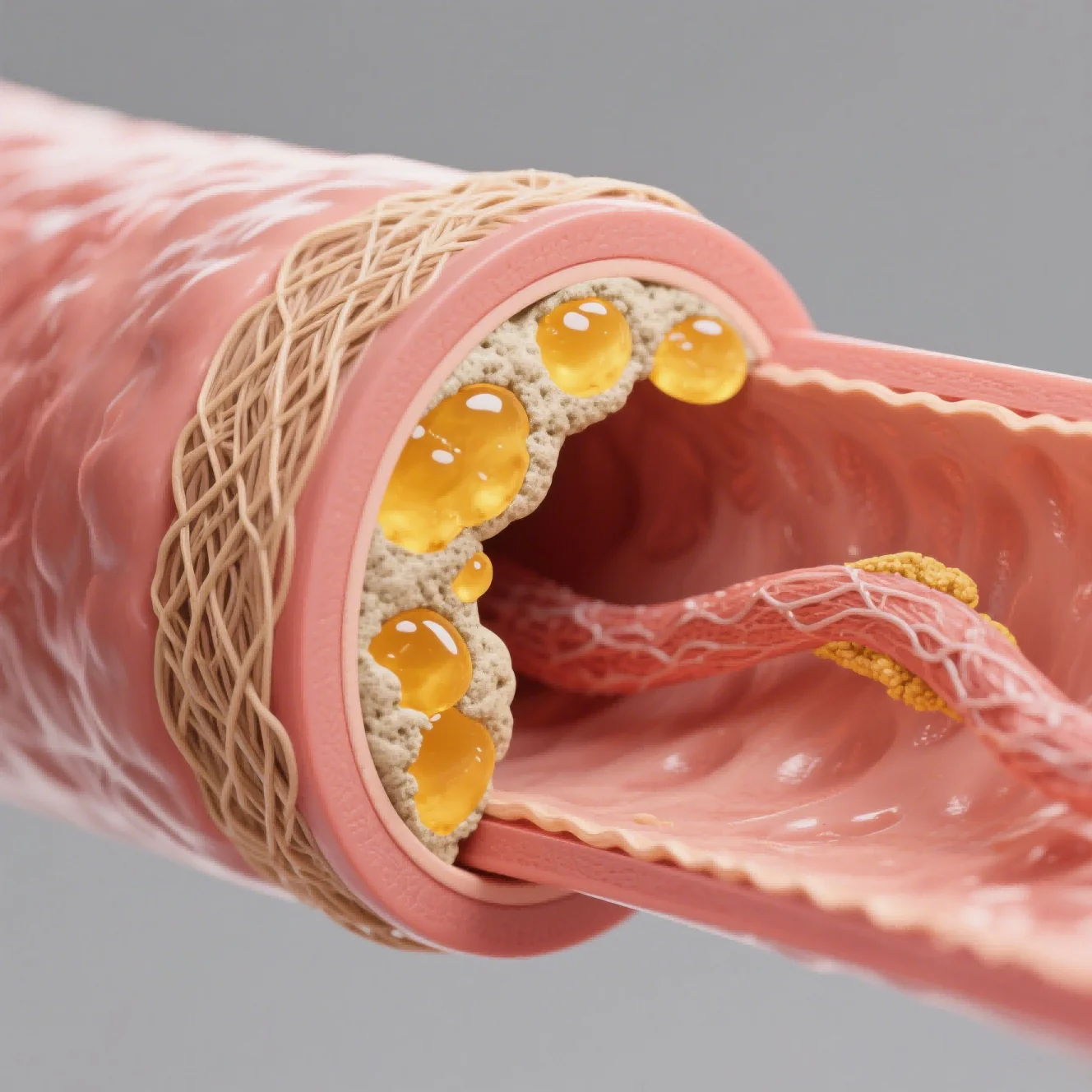
We use HBV transgenic mouse models to examine how persistent viral-antigen expression shapes immune tolerance, inflammation, and treatment response. The study team aligns HBV transgenic procedures and quality controls with the scientific risk of drawing an incorrect mechanistic conclusion. Many conventional HBV transgenic systems constitutively express one or more viral proteins, allowing us to study chronic antigen exposure, immune tolerance, pathogenesis, and responses to immune-modulating therapies.
We contrast these systems with humanized-liver and AAV-HBV systems, which have different host-virus and immune features. A judgment-ready package links protocol choices, execution records, and interpretation without hiding uncertainty. The biological and evidentiary boundaries of the HBV transgenic research program remain explicit throughout the study.
An isolated measurement becomes especially fragile when no orthogonal procedure tests the same biological claim. Research on immune-response mechanisms needs to measure more than viral load: relevant observations may include HBsAg and HBeAg, intrahepatic viral markers, liver enzymes, histopathology, inflammatory or fibrotic changes, cytokines, and immune-cell phenotypes when supported by the model and study design.
Controls and baseline criteria are essential because constitutive antigen expression may limit natural clearance responses. We use a staged logic in which every assay, study model, and report has a defined role. We do not treat one HBV transgenic study package as sufficient for every later decision. Mechanistic claims remain bounded by model biology.

How Persistent Antigen Expression Shapes Immunity
The service name does not by itself demonstrate that the HBV transgenic study system performs as intended. Results need to be interpreted as model-specific evidence and, when necessary, complemented by infection-based, liver-humanized, or vector-mediated models that address biology absent from the transgenic system. We examine the evidence supporting the biological system or assay itself.
From study planning onward, we distinguish transgenic, humanized-liver, infection-based, and AAV-HBV mouse approaches. Before designing an HBV transgenic study, we establish the biological question and required readouts. The program gains value when the biological system mirrors the mechanism under review.
A transgenic study model expresses HBV proteins throughout life and can support research on long-term viral-protein effects, chronic pathogenesis, and therapeutic targets. We use an HBV transgenic mouse model to examine how persistent antigen expression shapes immune function and pathology. Before reading the HBV transgenic study result, we verify authenticated, suitable biological material.
We verify the provenance, identity, condition, and suitability of the animals and biospecimens used in each HBV transgenic study. Humanized study models support human hepatocytes and can reproduce additional features of human infection and host response. Before the next HBV transgenic study commitment, we agree on the additional evidence needed.
Across the project, AAV-HBV transduction provides sustained HBV expression without breeding transgenic animals and is a central focus of our current program. An experimental method is informative only within the biology it represents. We specify that range before treating a readout as evidence.
Read Viral and Immune Endpoints Together
Quality checks travel with the HBV transgenic study data into the final interpretation. Method, material identity, and review status accompany each HBV transgenic study finding. For complementary rAAV-HBV studies, sustained HBV expression can typically be established within approximately four to eight weeks using controlled vector-mediated delivery.
We make model consistency and evaluation through virological, biochemical, pathological, and safety endpoints available for scientific review. At this decision point, available applications include small-molecule screening, nucleoside or nucleotide dose optimization.
At the planning stage for HBV transgenic study, relevant work may extend to small nucleic acids, peptides, vaccines or immunotherapies, and delivery-vector or formulation testing. During HBV transgenic studies, we raise small execution inconsistencies early for scientific review. At study level, this safeguard reduces HBV transgenic study rework and protects the intended comparison.
For every Jennio Biotech HBV transgenic choice, we record its intended use. Measurement choices define the questions the study sequence can answer. At that stage, readouts include serum HBV DNA, HBsAg, HBeAg, intrahepatic viral nucleic acids and proteins, cccDNA where applicable.
Ahead of the HBV transgenic study, additional readouts include liver enzymes, H&E pathology, inflammation or fibrosis assessment, and overall animal-safety observations. We combine response, mechanism, exposure, or pathology where the concern requires it. First-line agents such as entecavir or tenofovir may serve as positive controls for studies evaluating replication-suppressive activity.
Within HBV transgenic research work, operational consistency protects scientific interpretation. Defined collection windows and instrument controls organize the HBV transgenic study work. We update the interpretation when follow-up work materially changes the risk-benefit picture.
Use Complementary Models to Test Causal Claims
The HBV transgenic record must support evaluation by a project team outside the original study group. When our team evaluates an HBV transgenic study, our delivery framework includes project-specific model design, genotype and phenotype confirmation, dosing-regimen planning, sample testing, statistical analysis, raw-data delivery, pathology slides, double-blind data review, third-party cross-validation for selected assays, electronic traceability, SPF animal housing, and ABSL-2 support.
Method context and interpretation limits accompany every HBV transgenic study figure. Once the HBV transgenic study has started, a rigorous HBV study must match the model to the mechanism: entry inhibition, replication suppression, capsid modulation, immune activation, and functional cure questions do not require identical biology.
The final project stage turns observations into a bounded development decision. We state the proven part of investigation apart from the follow-up requirement. Our transgenic HBV system interpretation separates chronic antigen exposure from processes that require infection-capable systems. The HBV transgenic study concludes with virological, biochemical, pathological, and safety findings tied to the model’s known limits.
We relate every claim to predefined criteria and available raw supporting information. As we interpret HBV transgenic study, the protocol needs to define stable baseline criteria, randomization, controls, dose groups, treatment timing, serial sampling, assay validation, pathology review, safety observations, exclusions, and statistical analysis before results are known.
Our Jennio Biotech delivery places the virological evidence and model boundary side by side. Findings need to be interpreted within the chosen study model’s capacity rather than generalized automatically to all forms of chronic human HBV infection.