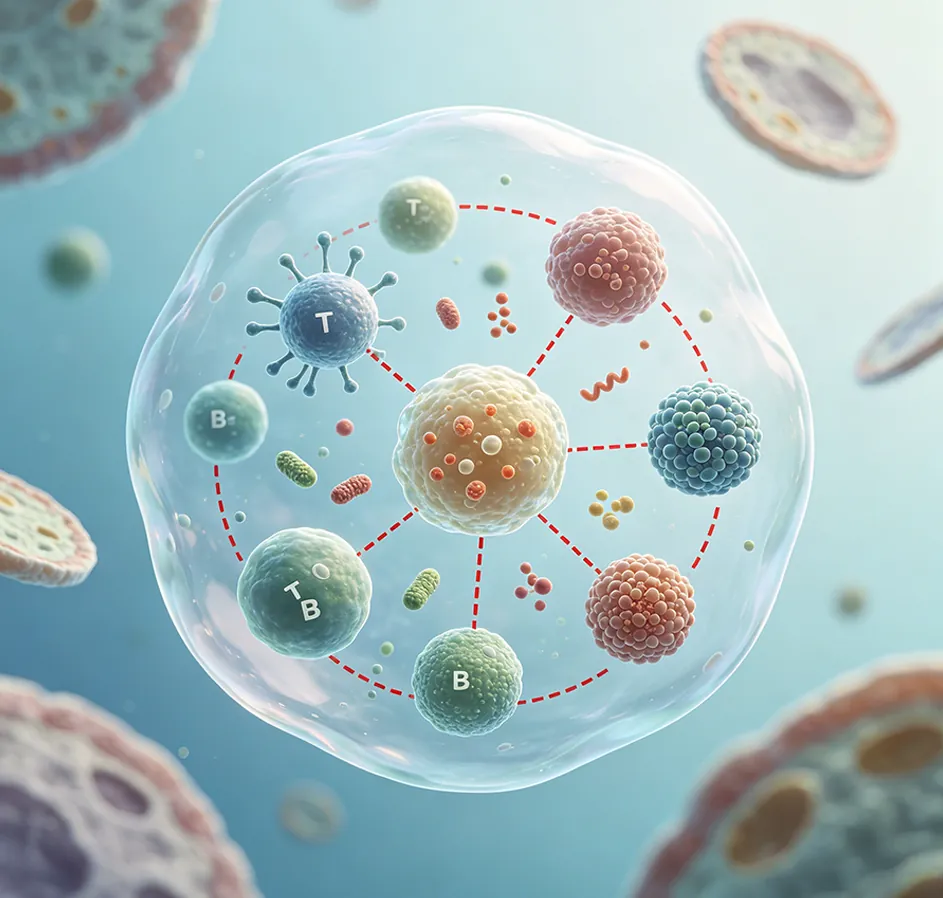
The study team judges obesity animal models by how well they connect body composition and metabolic change to the drug mechanism. Biological relevance anchors every obesity study design choice. We therefore pair weight change with glucose control, liver status, and body-composition data before deciding what the response means.
Our design begins by restating the decision the evidence must support. At this development phase, clarity about the question prevents attractive but uninformative measurements from dominating. Our high-fat-diet model can track serial body weight, epididymal fat-pad weight, fasting blood glucose, oral glucose tolerance, and, where applicable, micro-CT-based quantification of visceral and subcutaneous adipose tissue
These data can show whether a candidate changes adiposity, glycemic control, or fat distribution and can be combined with biochemical, inflammatory, and tissue endpoints. The study team evaluates obesity animal models through induction quality, baseline disease state, and mechanism fit.
Even a familiar system can mislead if its induction, baseline, or endpoint does not match the development stage. Execution choices remain subordinate to biological relevance throughout the obesity study. Each subsequent study milestone requires documentation of the evidence supporting progression.
The resulting framework links design, execution, and audit to one explicit development choice. Translation relevance may improve when the model matches the drug mechanism and disease severity is confirmed before randomization. Our planning considers food intake and treatment exposure, separating body-composition changes from nonspecific illness or reduced intake.
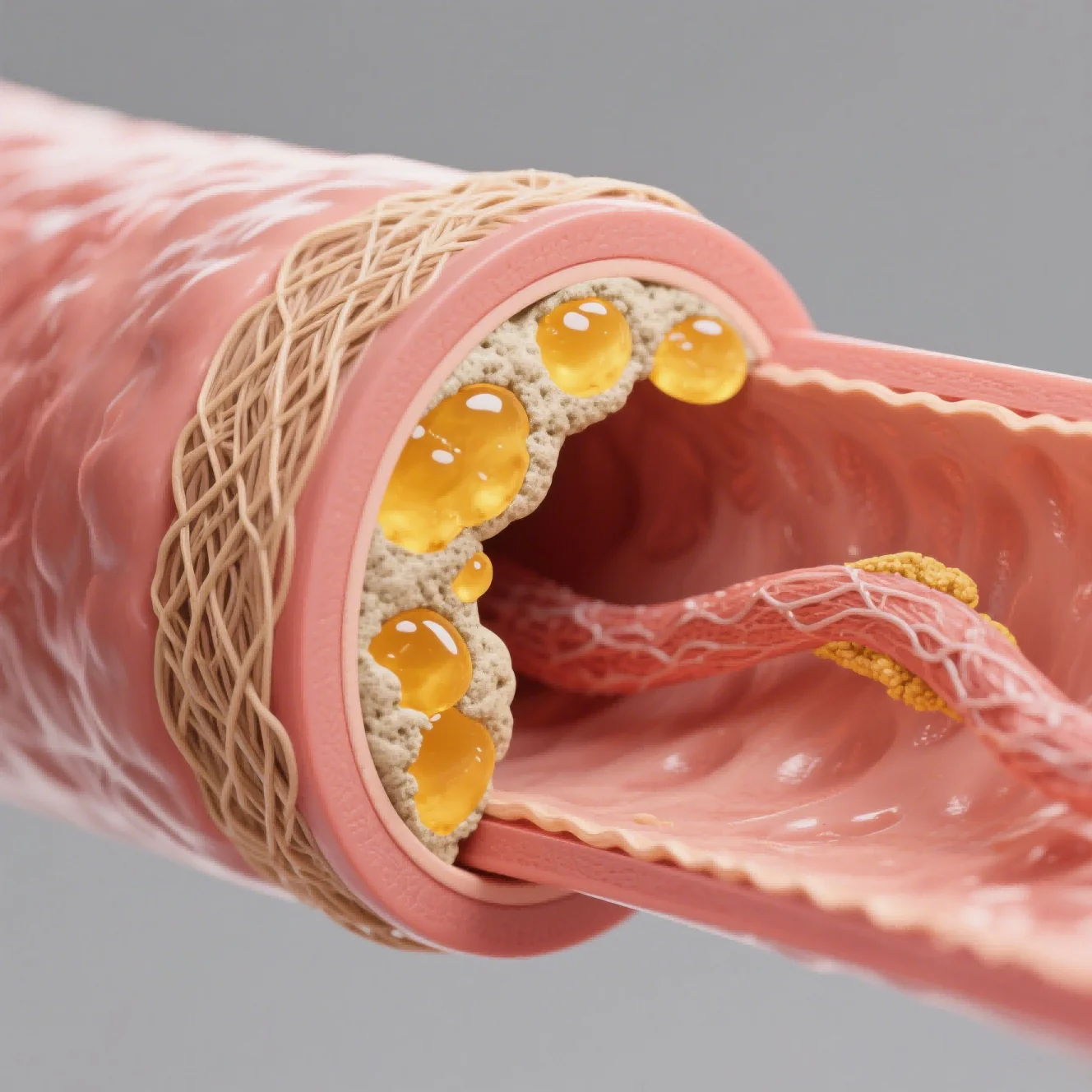
Choose an Obesity Model That Fits the Mechanism
The model remains a controlled approximation of human obesity, so findings need to be confirmed with complementary metabolic and safety evidence. Here in the obesity model study workflow, our obesity model description states what remains intact and what has been simplified.
During obesity studies, body composition, glucose control, liver status, and exposure guide later comparisons. We record obesity study reasoning promptly to reduce handoff uncertainty. For obesity studies, we match diet, strain, disease stage, and metabolic readouts to the candidate mechanism. We provide mouse and rat models relevant to the preclinical evaluation of obesity, type 2 diabetes, NASH, and liver fibrosis.
Our diet-induced obesity model uses high-fat feeding and can be assessed through serial body weight, and epididymal fat-pad weight. We integrate fasting glucose, oral glucose tolerance, and micro-CT quantification of visceral and subcutaneous fat with the main analysis.
We select the obesity study system for the specific decision rather than for universal convenience. Research fit comes first in this development phase. Model selection is based on its fit with the obesity study biology and the next action.
During obesity-model work at Jennio Biotech, we keep execution and limitations open to scientific review. The decisions made here become the starting conditions for findings review. Before execution, we establish the model configuration, control groups, baseline inclusion criteria, and predefined criteria for successful model induction together.
Diabetes options include high-fat diet combined with streptozotocin and genetically diabetic db/db mice, with study-specific endpoints that may include blood glucose, insulin, HbA1c, pancreatic H&E pathology, glucagon, and C-peptide. The decision stands only within the limits of the present dataset.
Measure Adiposity and Metabolism Together
NASH models may use dietary induction alone or a diet combined with CCl₄ to accelerate liver injury and fibrosis, with endpoints that may include ALT, AST, hepatic triglycerides, and cholesterol. Our records preserve H&E evidence of steatosis and inflammation, Masson staining for collagen, alpha-SMA, and other fibrosis markers. Here, schedule is part of the biology.
Body composition, food intake, glucose testing, sampling, and tissue analysis are timed to capture metabolic change. Attention turns from disease experimental system choice to measurement discipline. We keep each obesity study observation connected to its animal or sample throughout the project. In separate chemically induced liver-fibrosis studies, CCl₄-based models may be evaluated using serum markers of liver injury, fibrosis scoring, H&E, and Masson staining.
The platform integrates physiological observations, biochemical data, imaging, histopathology, qPCR for inflammatory mediators, ELISA for insulin or adiponectin, and Western blot for pathway proteins. This middle development phase tests reproducibility rather than appearance. Variation in obesity study is investigated in the context of deviations and assay history.
Our preclinical obesity systems connect adiposity, glucose control, tissue change, and treatment exposure. Transparent execution functions as a quality control. We state that model selection is customized to the drug mechanism and disease stage, with project support covering model establishment.
Our documentation accounts for dosing, efficacy evaluation, progress updates, raw data, statistics, images, pathology, and GLP-aligned reporting. The active obesity study file shows how deviations, exclusions, and unanticipated findings were handled. This point lets outside reviewers reconstruct the obesity study reasoning.
Define What Can and Cannot Translate to Patients
Our quality descriptions include independent data review, electronic laboratory records, traceability, instrument calibration, controlled SPF animal facilities, and 3R-based animal-welfare principles. During study delivery, traceability gives the end-stage judgment durability.
Source records and protocol changes provide context for the obesity study reading. For obesity studies, a defined baseline makes later body-composition and metabolic results easier to interpret. The obesity model study ending links the outcomes into an action threshold.
Because obesity, diabetes, steatohepatitis, and fibrosis represent different but connected biological processes, a study must not rely on a single endpoint. Our final examination records why the development effort advances or changes direction.
The protocol agrees on model-success criteria, primary outcomes, groups, randomization, blinding, fasting and sampling schedules. The delivered material explains humane endpoints, exclusions, statistics, and the relationship among body composition, glycemic control, liver injury, inflammation, and fibrosis. Evidence integration becomes decisive when the obesity study program must choose its next step.
The obesity study conclusion emerges from a combined view of response, mechanism, exposure, tissue change, and safety. The Jennio Biotech handoff relates the obesity finding to body composition, glucose control, liver injury, and model constraints. Limitations of the disease biological model remain part of our final reading.
We describe the obesity study finding as preclinical evidence and do not recast it as a patient outcome. Ethical and scientific quality are linked: a model must be justified, animal burden minimized, monitoring sufficient, and data complete enough to prevent avoidable repetition.