
We choose metabolic disease mouse models by matching strain, induction method, disease stage, and endpoints to the research question. The study team matches the work to the question and specifies the primary endpoint, standardizing dietary, fasting, and sampling conditions, and and uses blinded histopathological assessment and appropriate positive controls.
We read the mouse metabolic-disease study summary only after confirming the identity and condition of the biological materials and the adequacy of the experimental controls. We trace the signal back to its biological material, method, quality controls, and raw observations. The relevant benchmark is not activity alone; it is activity that survives examination of controls and context.
The study team makes future mouse metabolic-disease study comparisons more meaningful by fixing the present reference conditions. We make the basis of the mouse metabolic-disease study interpretation explicit for our partner. We offer HFD-induced obesity, HFD plus STZ diabetes, spontaneous db/db mice, NASH, and liver-fibrosis models with body weight, glucose, OGTT, HbA1c.
The scope encompasses insulin-related markers, micro-CT, ALT/AST, lipids, H&E, Masson staining, fibrosis markers, qPCR, ELISA, and Western blot. Overinterpretation begins when the system’s boundary is treated as if it were a property of patients.
Our position is straightforward: the program needs to reduce uncertainty while preserving traceability and scientific limits. Longitudinal monitoring and humane endpoints are important because these are chronic models. We match metabolic disease mouse models to disease stage, induction method, and therapeutic mechanism.
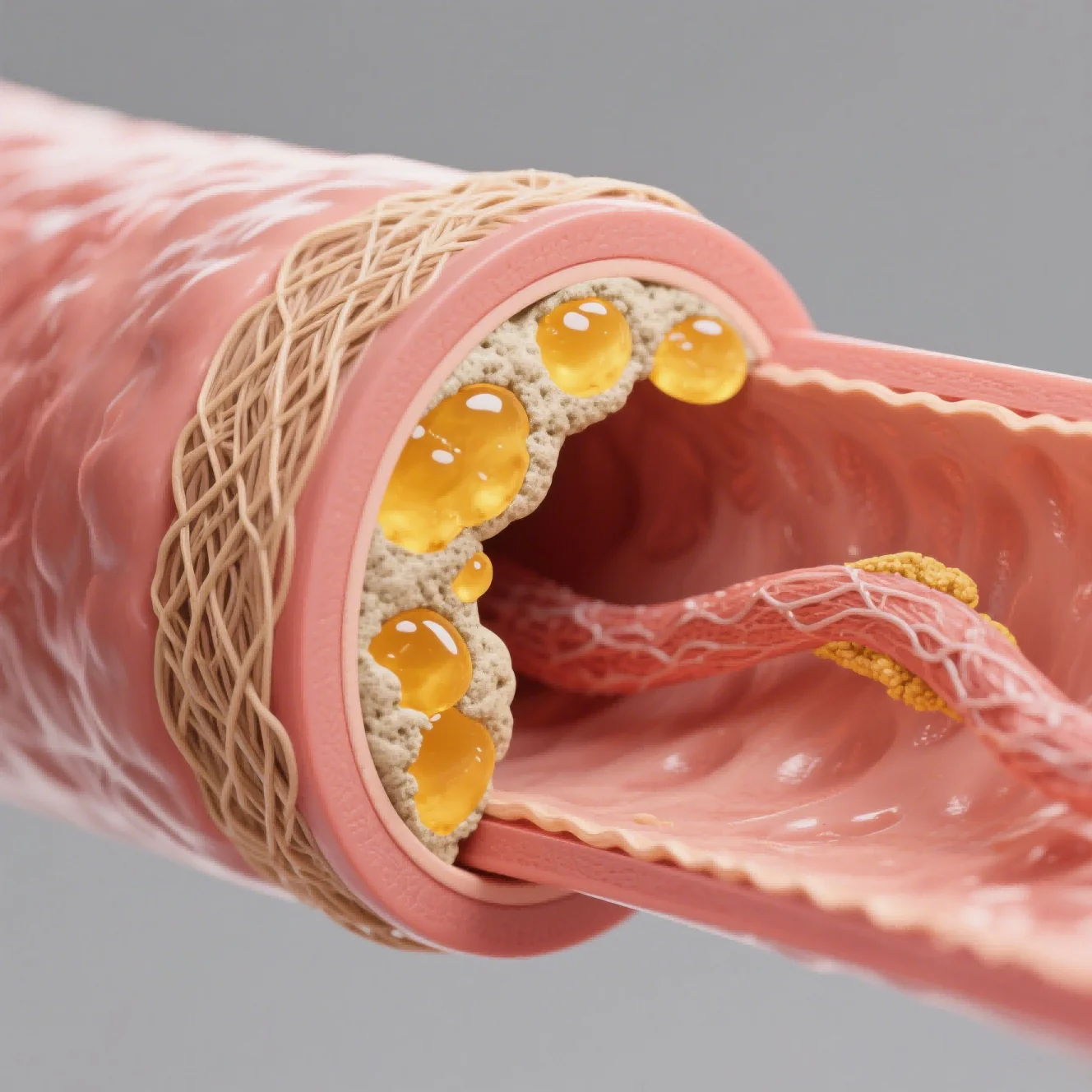
Match the Mouse Model to the Disease Stage
Complete raw data, documented exclusions, calibrated instruments, consistent tissue processing, and predefined statistics reduce bias and avoid unnecessary repetition. For reproducible mouse metabolic-disease research work, the biological features represented by the model determine whether an assay can inform the study objective. We specify that scope before treating a readout as as evidence supporting a finding.
We provide mouse and rat study models for obesity, type 2 diabetes, NASH, and liver fibrosis. For mouse metabolic-disease studies, we demonstrate method qualification and reproducibility with reviewable records. We examine the findings supporting the study model or assay itself.
In practice, our diet-induced obesity model uses high-fat feeding and can be assessed through serial body weight measurements, and terminal epididymal fat-pad weight. We use the record to connect fasting glucose, oral glucose tolerance, and micro-CT quantification of visceral and subcutaneous fat.
the data requirements before making the next mouse metabolic-disease study decision. For this mouse metabolic-disease research question, diabetes options include high-fat diet plus streptozotocin and spontaneous db/db mice, with blood glucose, insulin, HbA1c, pancreatic H&E pathology, glucagon, and C-peptide.
Before selecting endpoints for the mouse metabolic-disease study, we establish the biological question. The research plan gains value when the study model mirrors the mechanism under review. A manageable schedule does not justify evidence that misses the mouse metabolic-disease study objective.
The mouse metabolic-disease study conclusion cannot be stronger than the provenance and fitness of its starting material. Suitability of mouse metabolic-disease study depends on verified provenance, identity, and condition. Our mouse-model work through Jennio Biotech keeps the rationale, execution, and limitations reviewable.
Standardize Conditions That Alter Metabolic Readouts
For mouse metabolic-disease research, NASH studies may use high-fat dietary induction, with CCl4 incorporated when scientifically justified, and assess ALT, AST, hepatic triglycerides and cholesterol. The program includes H&E staining of steatosis and inflammation, Masson staining for collagen, alpha-SMA, and other fibrosis markers.
For this research objective, operational consistency protects scientific interpretation. We agree on sample-handling procedures, equipment quality controls, and data-review responsibilities before executing a mouse metabolic-disease study. We manage mouse metabolic-disease study quality at the point of observation, not after analysis.
CCl4-induced liver-fibrosis study models use liver-function measures, fibrosis scoring, H&E, and Masson staining. While the mouse metabolic-disease research design is being executed, the platform integrates physiological observations, biochemical data, imaging, histopathology, qPCR for inflammatory mediators, ELISA for insulin or adiponectin, and Western blot for pathway proteins.
The mouse metabolic-disease study record connects every result with its material source and method history. Early discussion of small execution inconsistencies protects the intended metabolic comparison. Relevant quality decisions are made at the point of measurement; this approach reduces mouse metabolic-disease study rework and protects the intended comparison.
Recording why we chose the mouse metabolic-disease study approach makes later review more direct. New information is incorporated through a documented re-evaluation. The reach of the workflow conclusion is set by the measurements collected. When repeatability matters in mouse metabolic-disease research, the interpretation should integrate treatment response with mechanism of action, systemic exposure, and pathological findings
When a mouse metabolic-disease program reaches model selection, we match the system to the drug mechanism and disease stage, then support model establishment. Our scientific scope includes dosing, efficacy evaluation, progress updates, raw data, statistical analyses, images, pathology, and GLP-aligned reporting.
Integrate Physiology, Pathology, and Molecular Data
Our quality descriptions include independent data evaluation, electronic laboratory notebooks, traceability, instrument calibration, controlled SPF animal facilities, and 3R-based animal-welfare principles. Keeping uncertainty with the evidence makes Choice more reliable for later decisions.
The boundary between evidence and uncertainty is explicit in the mouse metabolic-disease study report. The study team asks whether another team can evaluate the mouse metabolic-disease study package unaided. We deliver the mouse metabolic-disease reasoning and study history alongside the reported values for partner review.
Because obesity, diabetes, steatohepatitis, and fibrosis represent different but connected biological processes, a program must not rely on a single endpoint. Our mouse models for metabolic disease integrate physiology, pathology, imaging, and molecular evidence.
As mouse metabolic-disease research progresses, the protocol specifies model-success criteria, primary outcomes, groups, randomization, blinding, fasting and sampling schedules. We retain source information for humane endpoints, exclusions, statistics, and the relationship among body composition, glycemic control, liver injury, inflammation, and fibrosis.
The final step turns observations into a bounded development judgment. Our report marks which initiative findings are supported and which remain provisional. We finish the mouse metabolic study by relating efficacy to body composition, glycemic control, liver findings, welfare, and protocol deviations.
Ethical and scientific quality are linked: a study model must be justified, animal burden minimized, monitoring sufficient, and data complete enough to prevent avoidable repetition. The limits of the mouse metabolic-disease study claim are set by the criteria agreed before analysis. The final Jennio Biotech record shows how the metabolic interpretation was produced and where it applies.