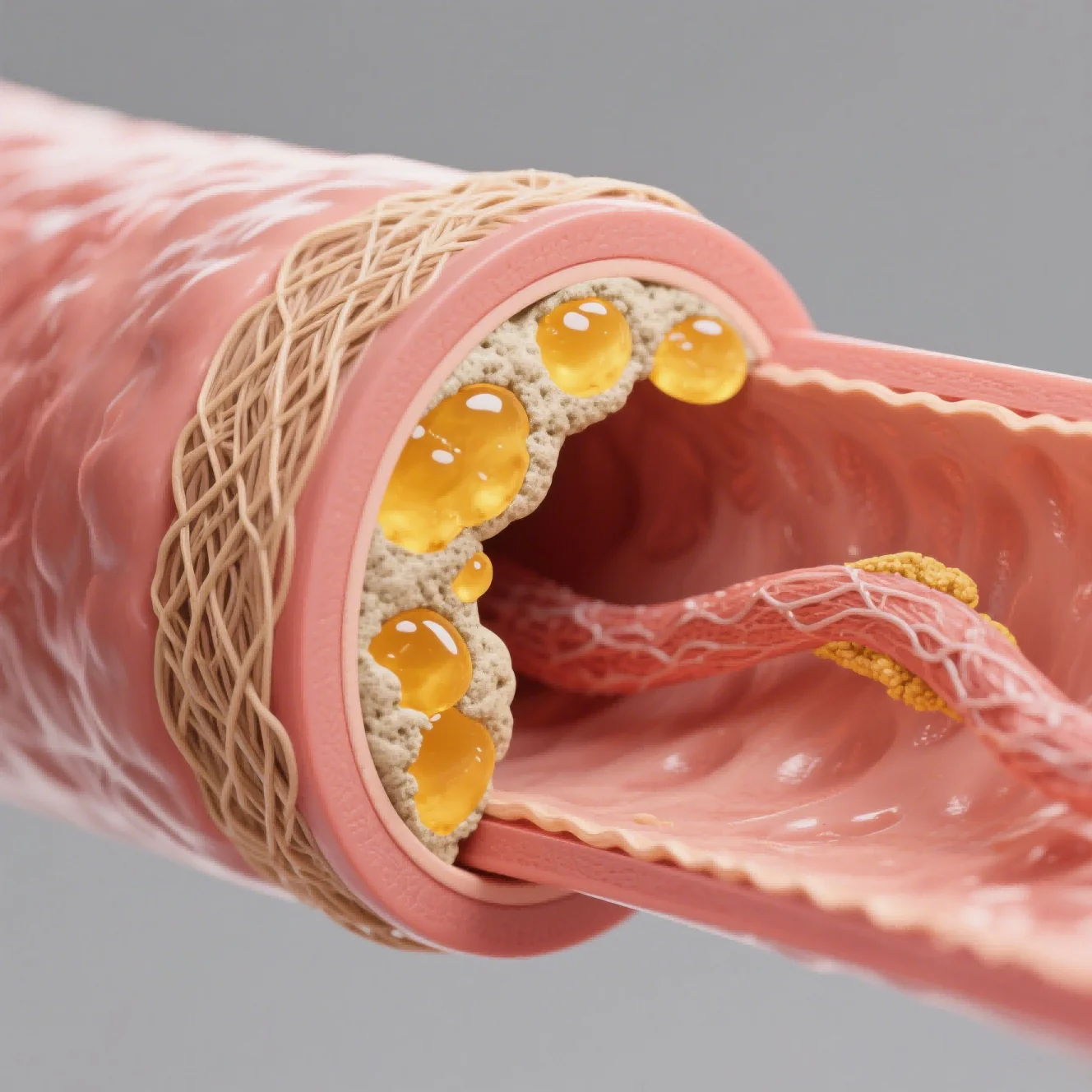
We use chronic HBV mouse models to examine sustained antigen exposure, immune tolerance, and treatment responses that short-term systems cannot capture. Our chronic design follows viral markers, hepatic effects, tissue pathology, rebound, immune modulation, and preliminary safety across treatment and follow-up.
In chronic HBV studies, we use the unresolved biological question to set the study scope. The study team distinguishes transgenic, humanized, infected, and AAV-HBV approaches and focuses the program on sustained HBV expression established using rAAV-HBV over several weeks.. The design becomes stronger when limitations are documented as carefully as positive findings.
Each chronic HBV study milestone has a distinct decision standard, which we document in advance. Late clarification of roles often turns a technical issue into a schedule problem. Such models can evaluate nucleoside analogs, small molecules, nucleic acids, peptides, immunotherapies, vaccines, and delivery systems using serial measurements of HBV DNA, viral antigens, liver enzymes, and histopathological changes.
The study team distinguishes today’s conclusion from a final claim about the program. We choose the model for the mechanism because chronic expression does not reproduce every feature of natural human infection or immune tolerance. Our project controls show how we translate that principle into study-level controls. We keep a contemporaneous account of how the chronic HBV study evidence led to the decision.

Model Sustained Viral Activity Over Time
We choose among transgenic, humanized-liver, HBV-infected, and AAV-HBV systems based on the mechanism under study. We select a model for each chronic HBV study question instead of applying one default system. We compare transgenic, humanized-liver, HBV-infected, and AAV-HBV mouse approaches according to their biological mechanisms, compatible endpoints, and translational limitations. We retain baseline markers, dosing, treatment response, and follow-up so a later team can reconstruct the chronic HBV decision.
A transgenic model expresses HBV proteins throughout life and can support research on long-term viral-protein effects, chronic pathogenesis, and therapeutic targets. Scientific relevance guides our method choice for chronic HBV study. Model selection depends on whether the represented biology can inform candidate selection and study decisions
We establish the chronic HBV dataset with baseline viral markers, liver status, dosing, and planned follow-up. Humanized models support human hepatocytes and can reproduce additional features of human infection and host response. AAV-HBV transduction provides sustained HBV expression without breeding transgenic animals and is a central focus of our current program.
The project begins after we define the biological model, checks, and acceptance criteria together. We use chronic HBV mouse models to study sustained viral activity, treatment response, and post-treatment behavior over time. In practice, the value of the chronic HBV system depends on a transparent account of its biological scope and limitations.
During chronic HBV studies, viral markers, liver injury, immune response, and rebound guide later comparisons. A complementary result may change the recommended route, and our record allows that comparison. We use that boundary to keep interpretation proportionate to the chronic HBV study results.
Test Antiviral Modalities with Serial Readouts
The central inquiry shifts from study model choice to measurement discipline. We state that a stable chronic state can be established in approximately four to eight weeks, with controlled AAV-mediated delivery. The evidence record joins the principal finding with high model consistency, and evaluation through virological, biochemical, pathological, and safety endpoints.
Animal- and sample-level records remain available across workflow. Available applications include small-molecule screening, nucleoside or nucleotide dose optimization, small nucleic acids, peptides, vaccines or immunotherapies, and delivery-vector or formulation testing. This stage evaluates reproducibility using prespecified serial endpoints and assay-performance criteria.
Our study team reviews variation, deviations, and assay performance as data accrue. Our long-duration HBV systems connect serial virology with liver biochemistry, pathology, and safety observations. To protect chronic HBV study reproducibility, transparency is an experimental check.
The chronic HBV study record identifies deviations and exclusions before they can disappear into the final summary. Readouts include serum HBV DNA, HBsAg, HBeAg, intrahepatic viral nucleic acids and proteins, cccDNA where applicable. Additional readouts include liver enzymes, H&E pathology, inflammation or fibrosis assessment, and overall animal-safety observations.
In Jennio Biotech HBV programs, we apply the controls while keeping the partner’s decision criteria visible. First-line agents such as entecavir or tenofovir may serve as positive controls. Our delivery framework includes project-specific model design, stable-establishment monitoring, dosing-regimen planning, sample testing, statistics, raw-data delivery.
We also review pathology slides, double-blind data review, third-party cross-validation for selected assays, electronic traceability, SPF animal housing, and ABSL-2 support. Chronology is part of the biology. We follow viral markers, antigen exposure, liver chemistry, immune response, and pathology over the chronic study period.
Interpret Chronic Control Within Model Limits
For reproducible chronic HBV study work, a practical ending converts the findings into an action threshold. Our final evaluation records why the workflow advances or changes direction. Our report gives the partner a traceable rationale for the chronic HBV study reading. Our chronic HBV study judgment follows the biology, even when the easier operational route points elsewhere.
The following chronic HBV study phase requires confirmation beyond the present dataset. A rigorous HBV study matches the model to the mechanism because entry inhibition, replication suppression, capsid modulation, immune activation, and functional-cure questions require different biology.
The selection review combines biological, analytical, and operational evidence. We consider the chronic HBV study response alongside exposure, tissue findings, mechanism, and safety signals. Model limitations continue to define the boundaries for interpreting the experimental findings..
The protocol needs to define stable baseline criteria, randomization, controls, dose groups, treatment timing, serial sampling, and assay validation. The review extends to pathology review, safety observations, exclusions, and statistical analysis before results are known.
Animal and cellular signals inform the chronic HBV study decision without being presented as patient evidence. Findings need to be interpreted within the chosen model’s capacity rather than generalized automatically to all forms of chronic human HBV infection.
Within chronic HBV research work, traceability gives the final judgment durability. The basis of the chronic HBV study interpretation stays visible in the underlying data and method history. At the close of each chronic HBV study at Jennio Biotech, we summarize the antiviral findings, model-specific limitations, and remaining immunological questions.中文:在Jennio Biotech