The development of oncology drugs requires a structured research process that connects early scientific discoveries with reliable evidence for future clinical decisions. Before entering human trials, drug candidates typically undergo systematic preclinical evaluation to characterize their biological activity, efficacy, potential risks, and development potential
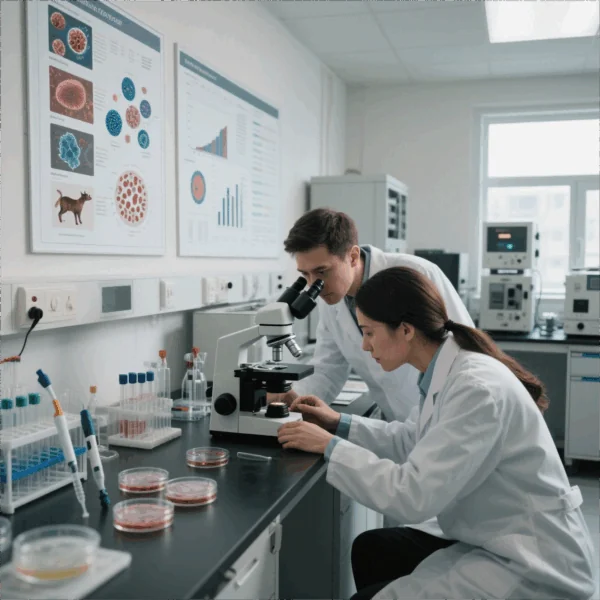
For biotechnology and pharmaceutical companies, selecting suitable research support is a critical step. Preclinical CRO companies provide specialized capabilities that help organizations conduct oncology studies, optimize research strategies, and generate reliable, decision-relevant experimental data.
At Jennio Biotech, we recognize that oncology research requires careful planning, appropriate in vitro and in vivo experimental models, and scientific expertise. Our role is to support researchers with customized preclinical solutions for efficacy evaluation, model selection, and study design , helping them address key questions during early drug development.
Why Preclinical CRO Companies Are Important for Oncology Research
Oncology drug discovery involves complex biological systems. Cancer development is influenced by genetic alterations, signaling pathways, tumor environments, and interactions between different cell types. Because of this complexity, researchers need comprehensive evaluation strategies before advancing a candidate.
Preclinical CRO companies can assist research teams by providing specialized platforms and technical knowledge that may not be available internally. These services allow organizations to conduct specialized preclinical studies while focusing their resources on drug design, target identification, and strategic development.
A qualified research partner should understand the specific requirements of oncology programs. This includes selecting suitable models, designing fit-for-purpose studies, and analyzing results based on the candidate’s mechanism of action
When choosing a service provider, researchers should consider several factors, including scientific experience, available research models, study flexibility, and communication efficiency. These elements influence quality, relevance, and interpretability of the data used to inform future development decisions.
Building Effective Oncology Study Strategies
A well-designed preclinical oncology program usually requires multiple complementary evaluation methods. Different experimental approaches provide different types of information, and combining these methods can create a more complete understanding of a candidate drug.
In vitro studies are often used during early evaluation stages. These experiments help researchers examine the effects of candidate compounds on cancer cell viability, proliferation, apoptosis, or relevant signaling pathways, depending on the study objectives..
However, cancer biology is not limited to isolated cellular responses. In vivo models provide additional insights by allowing researchers to study treatment effects in more complex biological environments.
Preclinical CRO companies with diverse research capabilities can help organizations select in vitro assays and in vivo models that match their scientific objectives. The choice of model depends on factors such as cancer type, therapeutic target, modality, mechanism of action, and the specific questions researchers want to answer.
Key Factors in Selecting an Oncology Research Partner
Choosing an appropriate research partner requires careful evaluation. While technical capabilities are important, researchers should also consider whether the provider can deliver customized support throughout different stages of a project.
One major consideration is experimental design. Each oncology candidate has unique characteristics, meaning that a single standardized approach may not always provide the most relevant information. Customized protocols can help researchers focus on relevant questions related to efficacy, mechanism of action, dose selection, and development potential.
Another important factor is data interpretation. Generating experimental results is only one part of preclinical research. Understanding what the results mean and how they influence future decisions is equally valuable.
At Jennio Biotech, we focus on supporting research preclinical oncology projects through flexible study designs and scientific collaboration. We aim to help partners obtain scientifically relevant data and practical insights from their oncology research programs while maintaining a clear connection between experimental work and development goals.
Improving Oncology Development Efficiency Through Customized Services
Drug development efficiency depends on making informed decisions at the right stages. Early research data can help organizations prioritize candidates and identify potential limitations before significant resources are invested.
Preclinical CRO companies can contribute to this process by offering access to established research platforms, technical expertise, and project support. This allows pharmaceutical and biotechnology teams to conduct necessary evaluations without developing every capability internally.
Customized research services are especially valuable for oncology programs because different therapeutic approaches may require different assessment methods. For example, targeted therapies, antibody-based treatments, and other innovative drug formats may require specific experimental strategies.
A carefully designed study can provide information about treatment responses, biological effects, and possible development considerations. This information supports researchers when planning the next steps of their programs.
The Role of Data Quality in Oncology Drug Development
High-quality research data are essential for supporting the evidence-based advancement of oncology candidates. Rigorous experimental design, appropriate controls, and reliable analysis methods all contribute to the usefulness of preclinical findings.
Researchers working with external partners should establish clear communication about study objectives, expected outcomes, and evaluation criteria. This collaboration helps ensure that experiments are aligned with overall development plans.
Jennio Biotech supports partners by focusing on scientific rigor, data quality, and project-specific requirements.. Through customized approaches, we help researchers evaluate oncology candidates with methods designed around their specific scientific needs.
Future Considerations for Oncology Preclinical Research
As oncology research continues to evolve, drug development strategies are becoming increasingly specialized. Advances in molecular biology, immuno-oncology, and precision medicine require more specialized and mechanism-informed evaluation methods.
Organizations need research partners that can adapt to changing scientific requirements. Preclinical CRO companies with flexible platforms and multidisciplinary expertise can provide specialized support for emerging oncology programs.
Researchers should consider not only current project requirements but also how preclinical data can support future development activities. A well-planned research strategy can create a stronger evidence base for later studies.
Conclusion
Oncology drug development depends on reliable preclinical evaluation, appropriate research models, and effective scientific collaboration. Selecting appropriate preclinical research partner can help organizations improve decision-making and better understand the potential of new therapeutic candidates.
Jennio Biotech provides customized preclinical research support designed to address the practical needs of biotechnology and pharmaceutical researchers. By combining scientific expertise with flexible study approaches, we help partners generate useful insights during early-stage development.
Understanding the role of preclinical CRO companies allows research teams to create more effective development strategies and establish stronger foundations for advancing oncology therapies. As the industry continues to progress, well-designed preclinical studies will remain an important part of successful drug development.