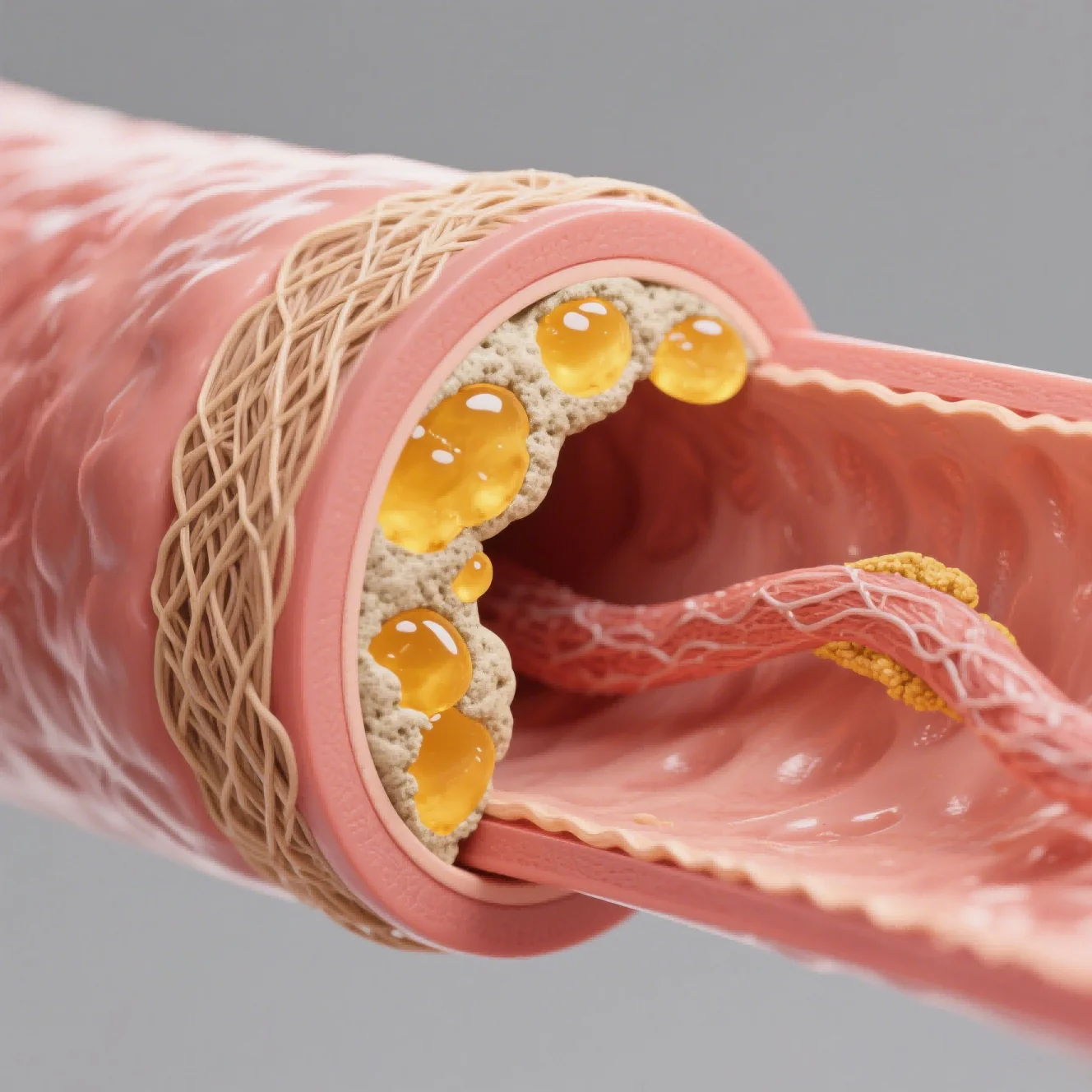
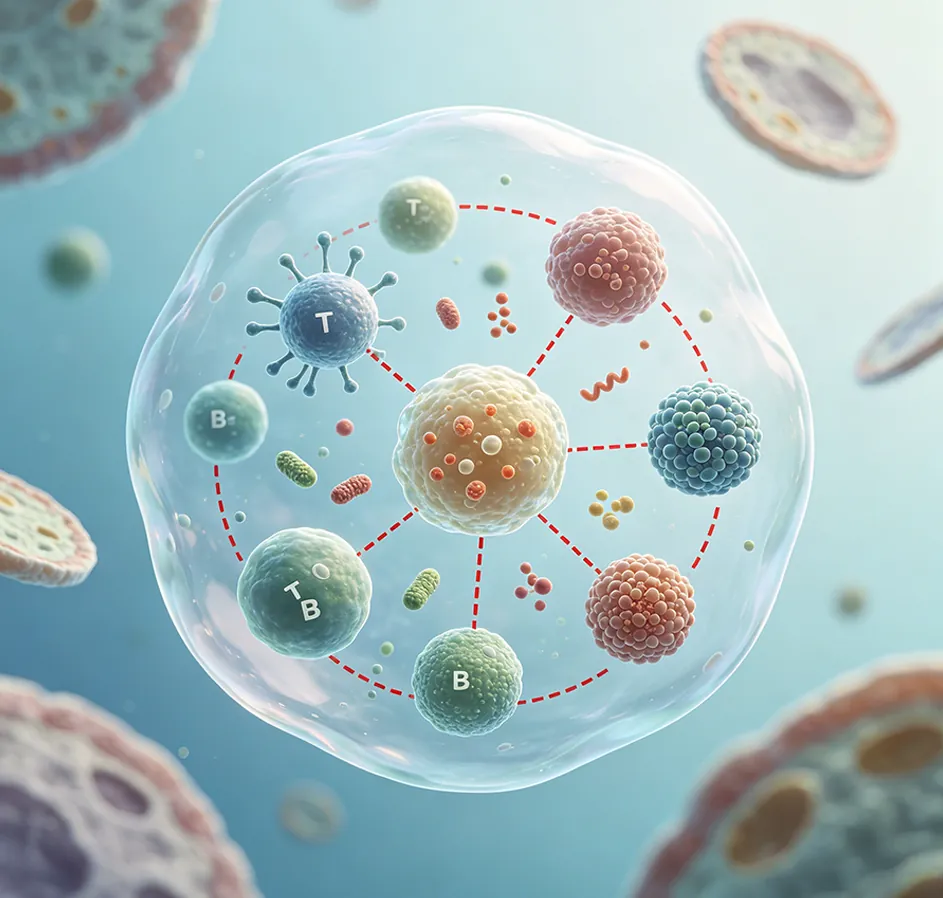
The journey of drug discovery, particularly in the realm of inflammatory and autoimmune diseases, is often fraught with obstacles. In preclinical R&D practice, Jennio Biotech deeply understands the complexities involved in using traditional disease models, which frequently fail to capture the intricate dynamics of the human immune microenvironment. This inconsistency not only hampers the predictive efficacy of these models but also results in a daunting clinical failure rate. At Jennio Biotech, we recognize the pressing need to refine our approaches to preclinical research, particularly when relying on animal models of inflammation. We understand that overcoming the inherent challenges in these models is critical for the success of therapeutic developments.
The Limitations of Traditional Animal Models
Conventional animal models of inflammation often present issues that undermine their effectiveness, such as a lack of consistency and relevant biological similarity to human conditions. Conventional models frequently fail to replicate, models fail to replicate the multifaceted interactions of immune cells and inflammatory mediators. This lack of fidelity can lead to misleading and inconsistent results during preclinical trials, complicating the translation of findings into the clinic. Exploring these limitations thoroughly is essential for enhancing research productivity, and pioneering research techniques are being developed to advance the accuracy of preclinical studies. For example, chemically induced models like carrageenan-induced paw oedema and croton oil-induced ear inflammation may not fully reflect the chronic, relapsing nature of human inflammatory diseases.
Adopting High-Fidelity Disease Models
To bridge the gap between traditional models and needed clinical relevance, high-fidelity disease models have emerged as a vital component in the drug development process. Utilising these advanced models, which replicate the human immune response more closely, delivers enhanced predictive value. Innovations in 3D tissue cultures and organ-on-chip technologies allow researchers to mimic the complexities of inflammatory diseases more accurately. Harnessing these technologies provides partners with reliable and reproducible in vivo efficacy data, accelerating the transition from preclinical to clinical stages. Genetically engineered mouse models that carry human disease-associated mutations offer improved face validity for specific inflammatory conditions.
The Role of Multi-Dimensional Evaluation Systems
Relying solely on traditional endpoints can lead to inadequate assessments of a drug’s efficacy. Therefore, implementing a multi-dimensional evaluation system is imperative. This system measures various biological responses and provides a comprehensive overview of drug action in animal models of inflammation. It allows researchers to assess not just efficacy, but also safety profiles and potential off-target effects. Integrating such evaluation frameworks into research processes shortens R&D timelines and minimises risks associated with clinical trials. Combining histopathology, flow cytometry, multiplex cytokine assays, and gene expression profiling provides a holistic view of drug activity.
Future Directions in Preclinical Research
As we look towards the future, the integration of artificial intelligence and machine learning technologies into drug discovery and development holds significant promise. These tools help analyses vast datasets from animal models of inflammation, providing insights that were previously unattainable. By leveraging such advancements, researchers can optimize model selection and improve the reliability of preclinical findings. Investing in innovative approaches will keep researchers at the forefront of the pharmaceutical landscape and enhance the efficacy of new therapies.
Conclusion
Navigating the complexities of preclinical research in inflammatory and autoimmune diseases requires a deliberate and innovative approach. By addressing the challenges associated with animal models of inflammation, we can advance our understanding and improve the success rate of therapeutic candidates. At Jennio Biotech, our high-fidelity inflammation and autoimmune disease models – combined with multi-dimensional evaluation systems – help researchers generate reliable preclinical data and accelerate the development of safer, more effective therapies. Our platforms integrate histopathology, flow cytometry, and multiplex cytokine assays to deliver in-depth pharmacodynamic mechanistic analysis..