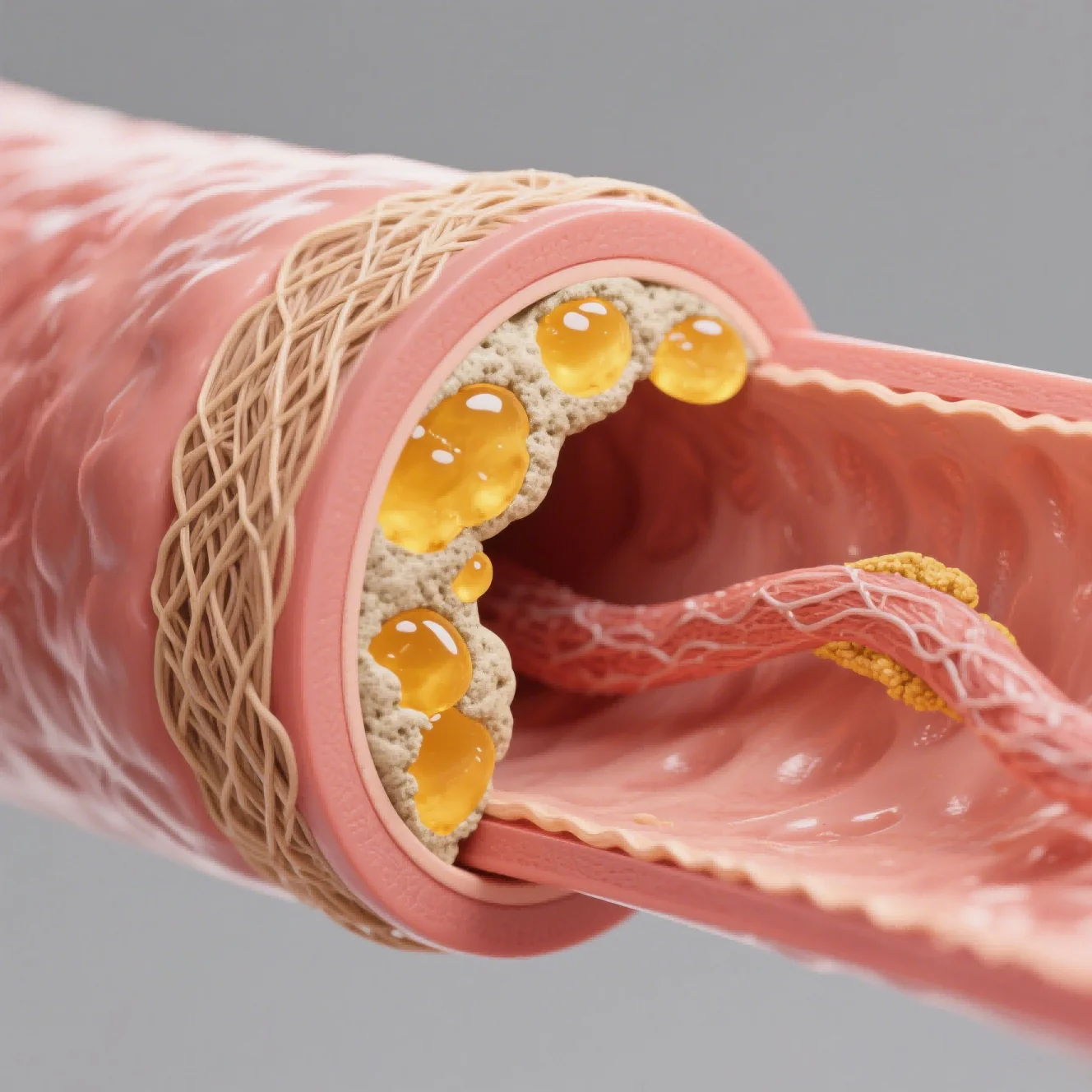

The study of HBV infections using mouse models has become increasingly crucial for developing treatments and understanding the disease’s complexities. Conducting research in this area requires a robust approach to maximize the effectiveness and reliability of the findings. At Jennio Biotech, we integrate in vitro and in vivo platforms to optimize data reliability across our HBV infection mouse model studies.Here, we will outline key optimization strategies to improve your model research.
Building a Stable HBV Model
Establishing a stable HBV model is foundational to any research focused on viral infections. When using AAV (adeno-associated virus) for infection, ensuring an infection success rate of over 90% enhances the validity of the model. A meticulously designed HBV infection mouse model that leverages a reliable viral infection prediction system streamlines the experimental process and yields reproducible results. By ensuring high viral titres, researchers can guarantee model stability, leading to more accurate data for subsequent investigations. AAV-HBV models are particularly advantageous due to their ability to achieve sustained viraemia without the need for surgical procedures, making them highly reproducible across studies.
Infrastructure and Safety Protocols
In high-risk viral research, infrastructure and safety protocols are pivotal. SPF-grade animal facilities combined with ABSL-2 laboratories are equipped for comprehensive handling and monitoring of models. These facilities include in vivo imaging systems and various haematology testing instruments that offer real-time insight into viral activity. Such capabilities are essential for detecting multiple indicators of viral behaviour in HBV infection mouse models. Additionally, adhering to rigorous safety standards allows researchers to conduct necessary research without compromising safety, making operations efficient and responsible. Regular environmental monitoring, staff training, and waste decontamination protocols are critical components of a safe virology research programme.
Clinical Relevance Through Comprehensive Assessment
To enhance the effectiveness of studies using the HBV infection mouse model, ensuring clinical relevance is paramount. Validating models using diverse detection methods – including histopathology (HE staining), biochemical indicators, and virological markers – is essential. This multifaceted approach ensures that findings are scientifically robust and highly translatable to early-stage preclinical decision-making.Comprehensive research platforms ensure that researchers can thoroughly assess various pathogens, contributing to a better understanding of HBV and potential treatment pathways. Integrating quantitative PCR for HBV DNA, ELISA for antigen/antibody detection, and immunohistochemistry for protein localization provides a full picture of infection status and drug response.
Conclusion
Optimizing studies with an HBV infection mouse model requires a strategic blend of stable model building, robust infrastructure, and a commitment to clinical relevance. By utilizing innovative technology and stringent safety measures, we ensure that our research produces invaluable insights into HBV pathogenesis and treatment strategies. At Jennio Biotech, we offer AAV-HBV and transgenic HBV infection models supported by SPF/ABSL-2 facility, in vivo imaging, and comprehensive virological and histopathological readouts for reliable preclinical antiviral evaluation. Our ABSL-2 laboratories and advanced hematological testing instruments support safe and precise monitoring of multiple viral indicators, while high-titer virus preparations ensure consistent model stability and reproducible results across studies.