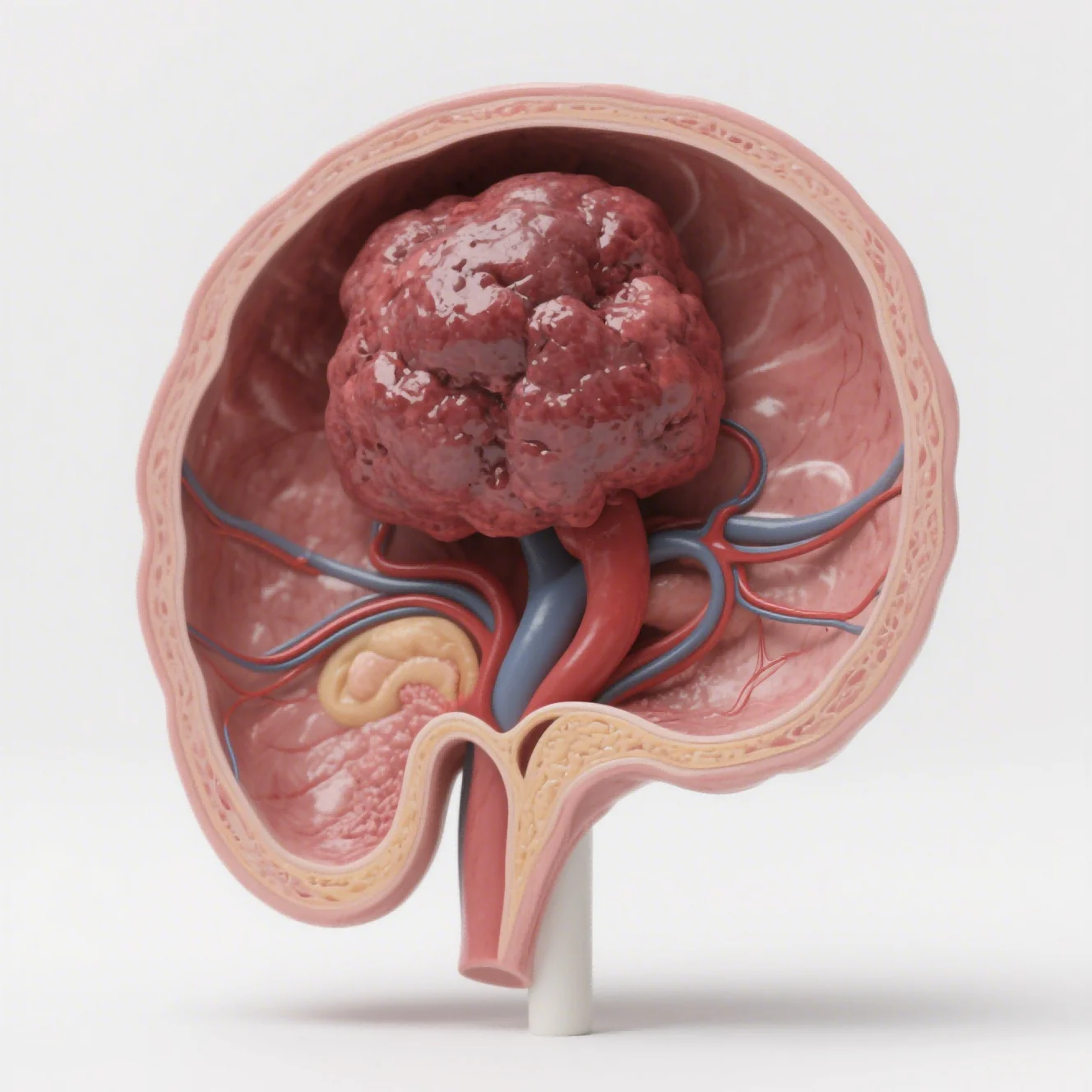
Developers of therapies for autoimmune hematologic diseases need models that connect the therapy with the relevant immune compartment, disease mechanism, and translational readout. We evaluate that fit through model relevance, induction consistency, immune readouts, pathology, and the consequence of a wrong decision. For companies developing therapies for autoimmune blood diseases, the relevant provider capability is not a generic company list but the ability to model immune mechanisms.
We preserve human-specific targets, cytokine changes, immune-cell subsets, pathology, and treatment response alongside the primary findings. Our inflammation platform offers validated rodent disease models, multicolor flow cytometry, cytokine profiling, digital pathology, and humanized immune-system mice.
Rather than treating the study as a service catalogue, we organize it around a specific development question and the decision the resulting evidence is intended to support.. A new autoimmune drug program milestone changes both the question and the proof required. When acceptance criteria remain vague, an apparently positive signal may be impossible to reproduce or compare.
We document why the autoimmune drug program evidence supports the conclusion delivered to our partner. We separate practical feasibility from the scientific meaning of the autoimmune drug program result. When evaluating CRO fit for autoimmune drug development, we ask whether the model reproduces the target cell population and mechanism.
Study documentation addresses whether human-specific antibodies recognize the relevant species ortholog or require an appropriate humanized model and whether endpoints connect in-life observations with immune phenotypes and tissue findings. We build the sequence so that each observation either supports the next measure or explains why the plan needs revision.
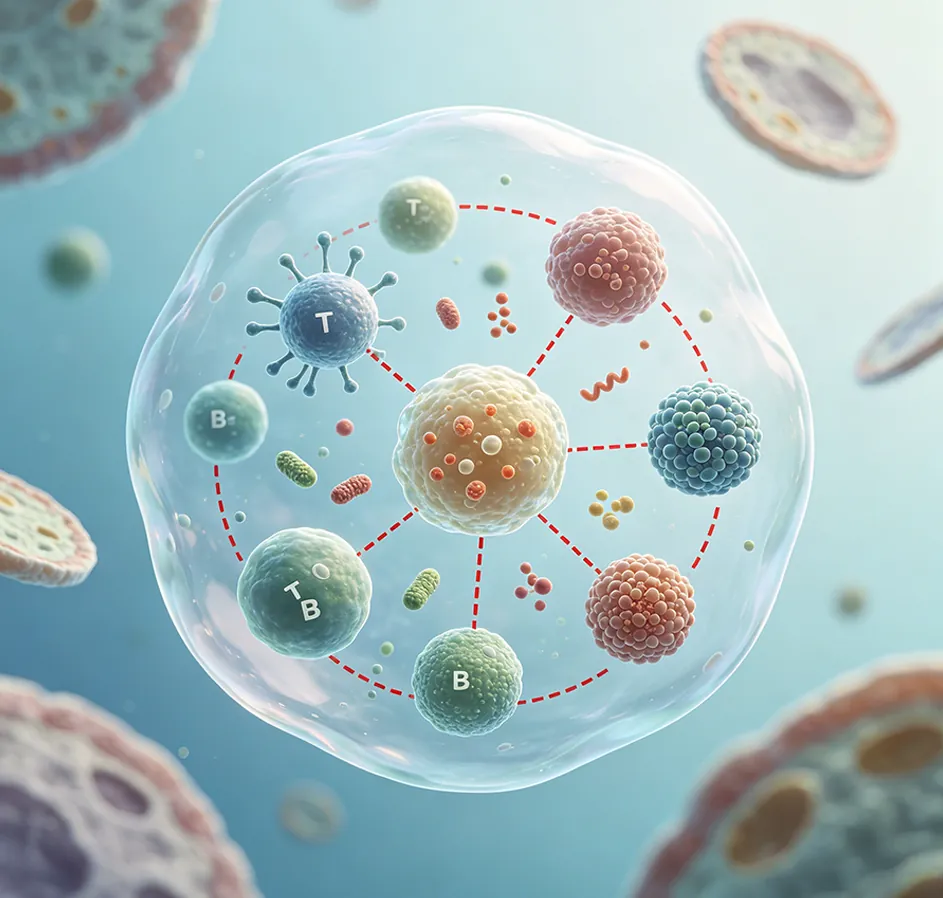
Map the Therapy to the Relevant Immune Compartment
These early controls shape the integrity of the later supporting information findings. Provider selection needs to also examine controls, model consistency, blinding, data traceability, animal welfare, and integrated PK/PD or non-GLP safety support. Our autoimmune drug development plan specifies the study model, controls, and acceptance criteria together.
We carry forward relevant results while adding the evidence the next autoimmune drug program choice demands. Our inflammatory and autoimmune platform covers preclinical models relevant to rheumatoid arthritis, inflammatory bowel disease, psoriasis, multiple sclerosis, lupus, gout, allergic disease, and other immune-mediated conditions, with model selection based on the specific disease mechanism and study objective
We document which immune compartments and disease features the autoimmune model retains, together with its limitations. In autoimmune drug development, clinical scores, immune phenotypes, cytokines, and pathology guide later comparisons. We help companies developing drugs for autoimmune blood diseases connect target biology with relevant immune compartments. We choose the immune compartment and disease-induction method before setting the endpoint panel.
Model choice in the autoimmune drug program remains tied to the unresolved biological question. Our work explains that inflammation is a protective immune response to injury or infection but may become pathogenic when activation is prolonged or excessive. Recording why we chose the autoimmune drug program approach makes later review more direct.
Available models include collagen-induced or adjuvant-induced arthritis, DSS- or TNBS-induced colitis, imiquimod-induced psoriasis-like skin inflammation, EAE, and other qualified mouse or rat systems. We select methods for autoimmune drug program by their scientific relevance. The selected system must mirror both the autoimmune drug program mechanism and the intended use of the result.
Evaluate Providers by Translational Readouts
Our transparent record provides an experimental safeguard. The study team keeps contemporaneous records of protocol deviations, unexpected observations, and other exceptions relevant to the autoimmune drug program. The evaluation framework combines body weight, lesion or disease scores, swelling, behavioral measures, organ indices, survival or recurrence, and Luminex cytokine profiling.
Our handoff covers flow-cytometric immune phenotyping such as the Th17/Treg balance, H&E, Masson staining, IHC, immunofluorescence, and digital pathology. Here, timing is part of the biology. Disease induction, immune monitoring, treatment, pathology, and recovery assessments follow predefined windows.
For autoimmune studies at Jennio Biotech, we align capabilities with evidence specific to the research question. The next decision moves from experimental system choice to measurement discipline. For psoriasis, our program specifically mentions PASI-like scoring, epidermal thickness, skin pathology, and inflammatory mediators such as IL-17, IL-23, IL-12, and TNF-alpha.
The study team keeps each autoimmune drug program observation connected to its animal or sample throughout the project. A new finding can alter the recommended autoimmune drug program route. We provide documented information on available inflammatory and autoimmune models and their qualification status, together with capabilities such as multicolor flow cytometry.
The supporting record identifies high-throughput cytokine testing, digital pathology, and humanized immune-system mice for human-specific antibodies. This middle point tests reproducibility rather than appearance. We verify that each tool contributes to the immune question before combining its output with the wider record.
Within the defined autoimmune drug development scope, we trend autoimmune drug program results together with exceptions and method performance. Across the complete autoimmune drug development record, an independent team can reconstruct each program conclusion.
Build a Company Strategy Around Evidence Quality
The conclusion does not hide what the biological model cannot represent. Our described workflow covers alignment on the model, groups, dosing, and endpoints; induction and administration; dynamic sharing of body weight, behavior.
Our available autoimmune drug development deliverables may include scheduled study updates, sample collection, molecular and histopathological analyses, raw data, statistical outputs, and a structured study report prepared under applicable quality-control procedures. Animal and cellular signals inform the autoimmune drug program decision without being presented as patient evidence. Traceability gives the closing judgment durability.
We trace each autoimmune drug program interpretation through method, exception, statistic, and source observation. Our work with companies developing drugs for autoimmune blood diseases links provider capabilities with traceable translational endpoints. At completion, we connect the data into an action threshold.
We document the evidence behind advancement or redirection of the workflow. Quality statements include ISO 9001 quality management, electronic laboratory notebooks, negative and positive controls, independent review of key measurements, and traceable records.
Our Jennio Biotech conclusion connects immune mechanism with clinical, cellular, and tissue evidence. We verify model relevance to the drug mechanism, induction consistency, inclusion criteria, control groups, scoring instructions, and blinding.
We report sample handling, instrument calibration, predefined exclusions, statistics, animal-welfare safeguards, raw-data access, and deviation handling with the main result. We do not advance an autoimmune program on one evidence stream alone. The autoimmune drug program conclusion emerges from a combined view of response, mechanism, exposure, tissue change, and safety.