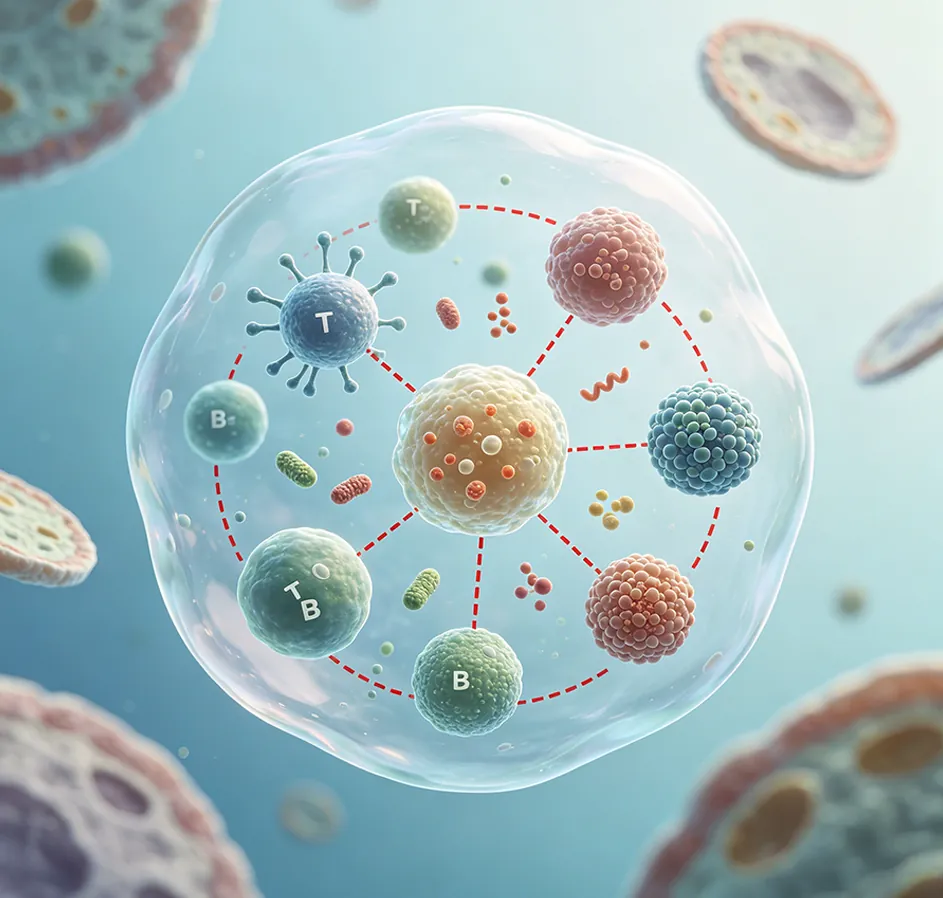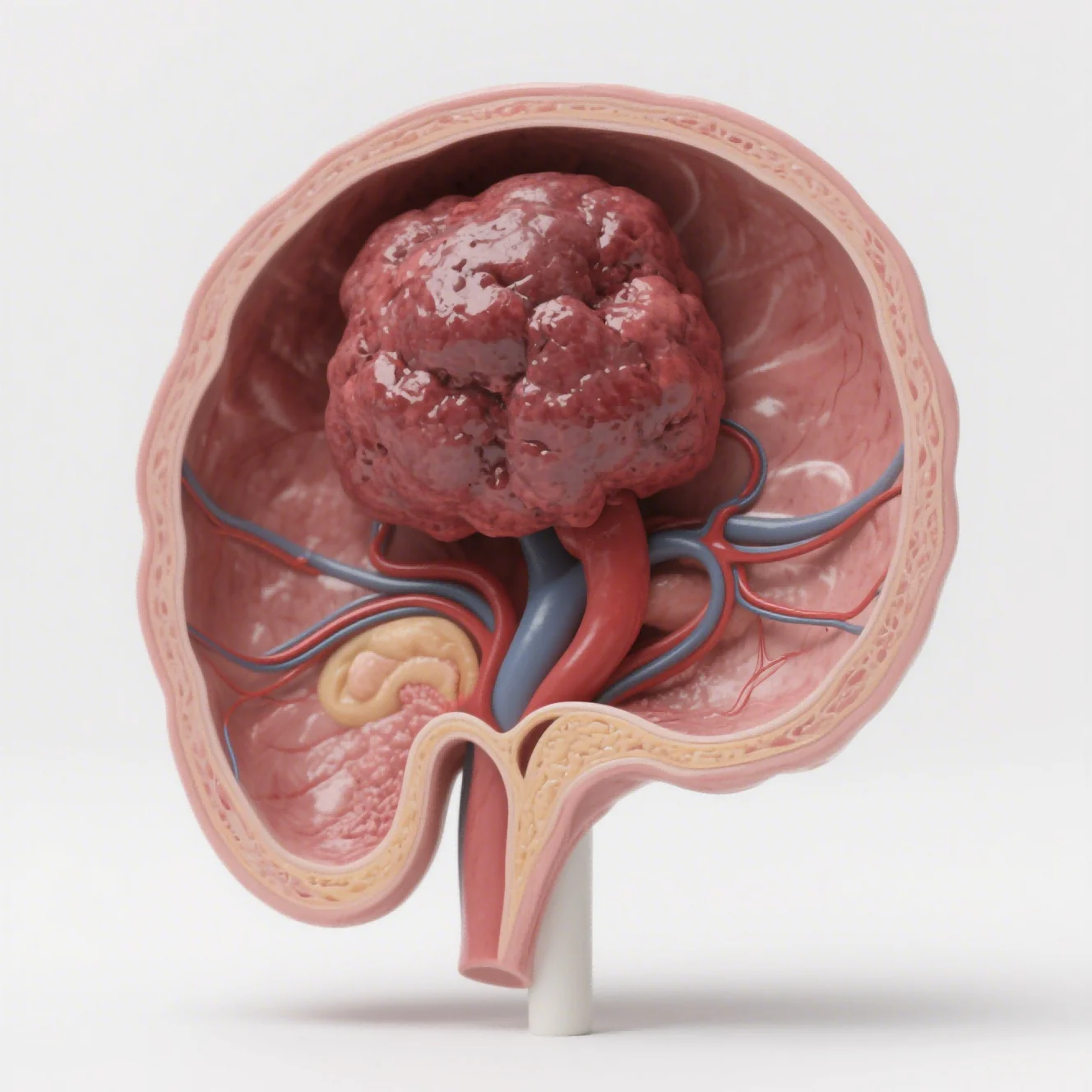
Immunological disease-model platforms are most valuable when pathology, immune phenotyping, and longitudinal assessment must be interpreted together. We connect those readouts through documented methods, controls, and a traceable data pathway that supports the final disease-model interpretation.
We trace the finding back to its biological material, method, controls, and raw observations. This action gives reviewers enough immunological disease-model program context to evaluate the result. We use predefined criteria so that a late observation does not retroactively change the standard of success.
We offer preclinical models relevant toarthritis, colitis, psoriasis, EAE, lupus, gout, allergy, and humanized immune-system options, with clinical scoring. The study team documents cytokines, flow cytometry, histopathology, IHC, immunofluorescence, and recurrence or survival endpoints as part of delivery. Later reviewers can reconstruct the immunological disease-model program decision from our early records.
We configure the CRO project around the model, animal strain, induction method, controls, group size, dosing, primary endpoint, sampling, blinding, statistics, and deliverables. The risk is not merely delay; it is advancing a candidate on findings that answers only part of the question.
Any later contradiction triggers a fresh review of the underlying evidence. For the selected immunological disease-model, our study plan pairs technical capability with predefined interpretation criteria and decision-escalation rules.. We select immunological disease models by mechanism, induction method, and the decision the study must support.

Define the Immune Mechanism Before the Model
Before engagement, we review validation data, historical variability, positive-control response, assay performance, and biosafety with the partner. Additional review areas include ethical oversight, progress reporting, raw-data access, and the process for protocol changes or failed model induction.
In the relevant immunological disease-model experiment, we begin with a defined experimental unit. We align biological source, baseline condition, and comparator before execution. This starting definition prevents later measurements from being interpreted outside the system that produced them.
The first program step is verification of the relevant milestone. We justify the disease model through its induction method, immune pathway, clinical features, and translational endpoint. The study team documents that fit before dosing so the later immune readouts retain a clear biological reference.
In the working study plan, our inflammatory and autoimmune platform includes preclinical models relevant to rheumatoid arthritis, inflammatory bowel disease, psoriasis, multiple sclerosis, lupus, gout, allergic disease, and other immune-mediated conditions. When the immunological disease-model program findings are combined, this measure lets an independent team reconstruct each immunological disease-model program conclusion.
In immunological disease-model programs, we distinguish protective inflammation from prolonged or excessive activation that drives pathology. Biological we select the system according to its relevance to the immunological disease mechanism and study objective rather than familiarity. We match the biological context to the candidate and development phase.
The first safeguard is conceptual. Available disease systems include collagen-induced or adjuvant-induced arthritis, DSS- or TNBS-induced colitis, imiquimod-induced psoriasis-like skin inflammation, EAE, and other validated mouse or rat systems. A key check is whether the experiment can answer the defined development inquiry. In Jennio Biotech immunology projects, we relate model access to the evidence required by each partner.
Validate the Platform with Controls and History
While assessing the immunological disease-model program package, the evaluation framework combines body weight, lesion or disease scores, swelling, behavioral measures, organ indices, survival or recurrence. Our examination includes luminex cytokine profiling, flow-cytometric immune phenotyping such as the Th17/Treg balance, H&E, Masson staining, IHC, immunofluorescence, and digital pathology.
We qualify immune assays independently from variation in disease induction. The study team assesses immunological disease-model program method performance through controls, repeatability, signal windows, and documented exceptions. For psoriasis, we carry the design into disciplined execution through PASI-like scoring, epidermal thickness, skin pathology, and inflammatory mediators such as IL-17, IL-23, IL-12, and TNF-alpha.
The study team connects timing, comparators, instruments, and raw observations in one record. The available method informs logistics, but it does not dictate the immunological disease-model program conclusion. Clinical scores are considered with cytokines, immune-cell phenotypes, pathology, and survival or recurrence.
Flow cytometry, soluble markers, and tissue analysis test the immune mechanism from different vantage points. Against this reference, another model’s additional value and omissions become visible. We keep the evidence path behind the immunological disease-model interpretation available for partner review.
Before the immunological disease-model program moves forward, we identify the required supporting information. The evidence becomes stronger when independent observations converge. Concordant immune and pathological findings help us rule out assay-specific distortion.
In the current immunological disease-model program study, the study team reports a library of more than 50 validated inflammatory or autoimmune models, multicolor flow cytometry. Our team evaluates high-throughput cytokine testing, digital pathology, and humanized immune-system mice for human-specific antibodies.
Contract for Transparency Throughout Execution
Along the same evidence chain, our described workflow covers alignment on the model, groups, dosing, and endpoints; induction and administration; scheduled sharing of body-weight, behavioral, and other predefined in-life data; sample collection; molecular and histopathological analyses; and delivery of raw data, statistical outputs, and a structured study report prepared under applicable quality-control procedures.
The strongest interpretation is appropriately limited. Immunological disease-model program reporting states the tested population, system, dose, timing, and readout. We use the evidence to determine the next immunological disease-model program action, which becomes defensible through the package. Our conclusion keeps biological model constraints and competing explanations visible.
In our immunological disease-model program work, quality practices include, ISO 9001 quality management, electronic laboratory notebooks. We assess negative and positive controls, independent review of key measurements, and traceable records. in the same review,
Our immunological disease models connect clinical scoring with immune phenotyping, cytokines, and pathology. A mature research plan plans for transition as well as completion. Our package supports immunological disease-model program review, transfer, and targeted follow-up investigation.
A completed immunological disease-model program review points toward advancement, method changes, or additional verification. For this decision, we verify model relevance to the drug mechanism, induction consistency, inclusion criteria, control groups, scoring instructions, and blinding.
The evidence package describes sample handling, instrument calibration, predefined exclusions, statistics, animal-welfare safeguards, raw-data access, and deviation handling. Advancement and follow-up criteria are made explicit before the immunological disease-model program project closes. The Jennio Biotech team delivers the disease-model conclusion with its induction history, immune readouts, and limits.