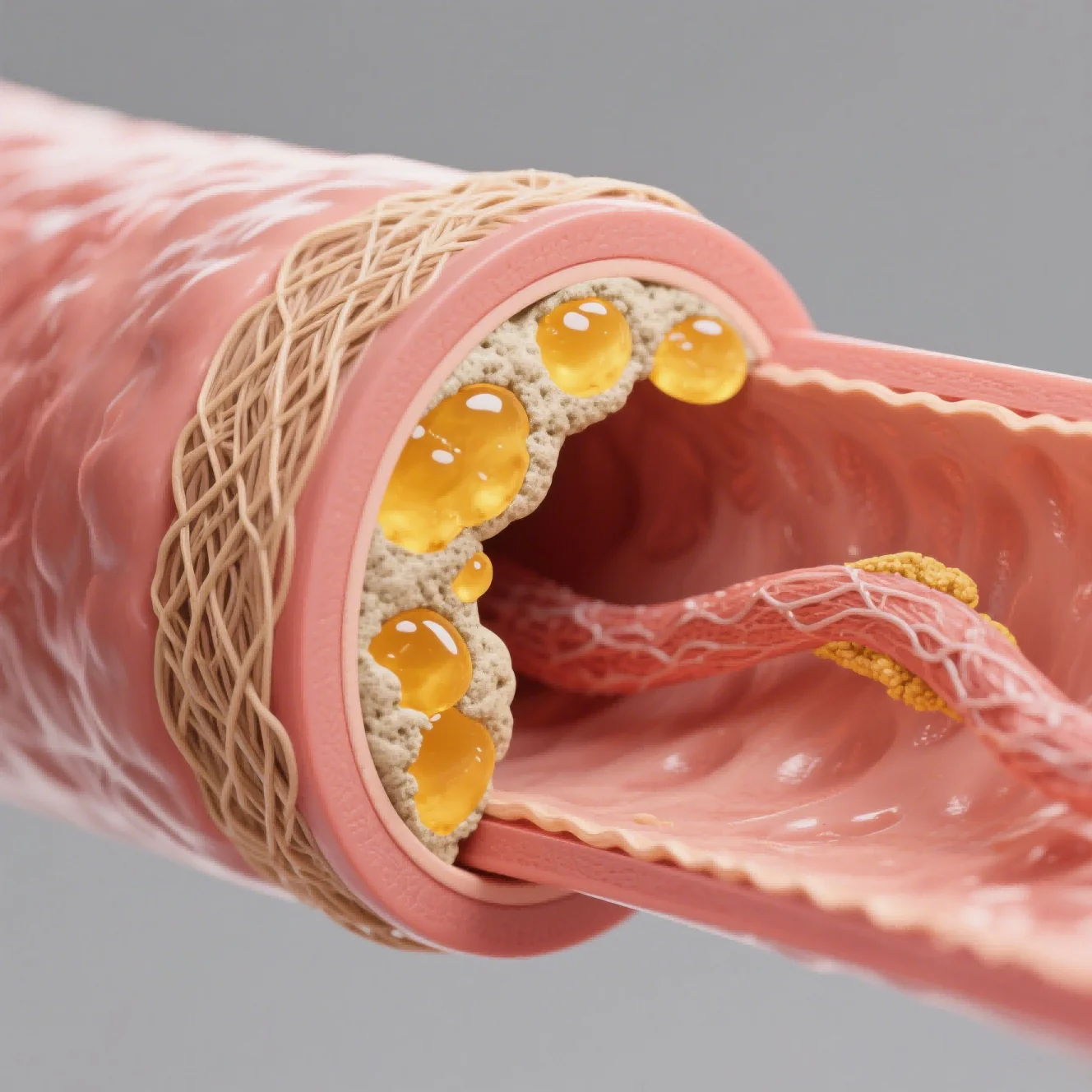
Hepatitis B virus (HBV) remains an important research focus because of its ability to establish persistent infection and cause long-term liver-related complications. Understanding how HBV maintains infection requires experimental systems that can provide insights into viral behavior, host responses, and therapeutic opportunities.
Traditional laboratory approaches offer valuable information, but they cannot fully represent the complexity of chronic infection. As a result, researchers increasingly rely on advanced in vivo platforms to investigate disease mechanisms and evaluate new scientific strategies.
At Jennio Biotech, we support researchers by providing specialized preclinical animal models and in vivo pharmacology services that help advance studies in infectious diseases. Among these approaches, chronic HBV mouse models have become important tools for exploring selected aspects of HBV persistence, viral gene expression, host responses, and liver pathology, thereby supporting translational virology research.
Studying Viral Persistence and Long-Term Infection Mechanisms
One of the most important applications of HBV research models is investigating how the virus maintains long-term presence within the host. Chronic infection involves complex interactions between viral components and host biological systems that cannot always be understood through short-term experiments.
Researchers use chronic HBV mouse models to examine viral persistence, HBV gene expression , selected replication-related processes, and factors influencing the maintenance of HBV-associated phenotypes.. These studies help scientists identify molecular pathways associated with viral survival and provide deeper knowledge of HBV infection processes.
Long-term observation is especially valuable because chronic infections develop gradually. By monitoring biological changes over extended research periods, scientists can better understand how viral activity changes and how different experimental interventions influence infection outcomes.
Exploring Liver Pathology Associated with HBV Infection
Another major application involves studying the relationship between HBV infection and liver disease progression. Chronic HBV infection can influence liver tissue environments, making it important to investigate the biological events that contribute to pathological changes.
Animal research systems allow scientists to analyze tissue responses, molecular alterations, and disease-related characteristics under controlled conditions. These studies provide important information about how persistent viral infection affects liver biology.
By examining different stages of infection, researchers can explore the connections between viral activity and changes in liver function. This information supports the development of more targeted research approaches for understanding HBV-associated diseases.
Evaluating Immune Regulation During Chronic Infection
The immune system plays a critical role in determining whether HBV infection is controlled or becomes persistent. Studying immune responses during chronic infection is therefore a key area of virology research.
Researchers apply experimental HBV models to investigate immune cell activity, immune tolerance mechanisms, and the interactions between viral factors and host defenses. These studies help explain why some immune responses fail to eliminate the virus effectively.
The ability to analyze immune-related changes over time makes these models useful for exploring strategies that aim to improve antiviral immunity. Such research contributes to a better understanding of immune regulation in chronic viral diseases.
Supporting Preclinical Research for HBV Therapeutic Strategies
Before new therapeutic approaches can progress through development stages, researchers need reliable systems to evaluate biological effects. Experimental infection models provide a practical platform for studying potential antiviral strategies.
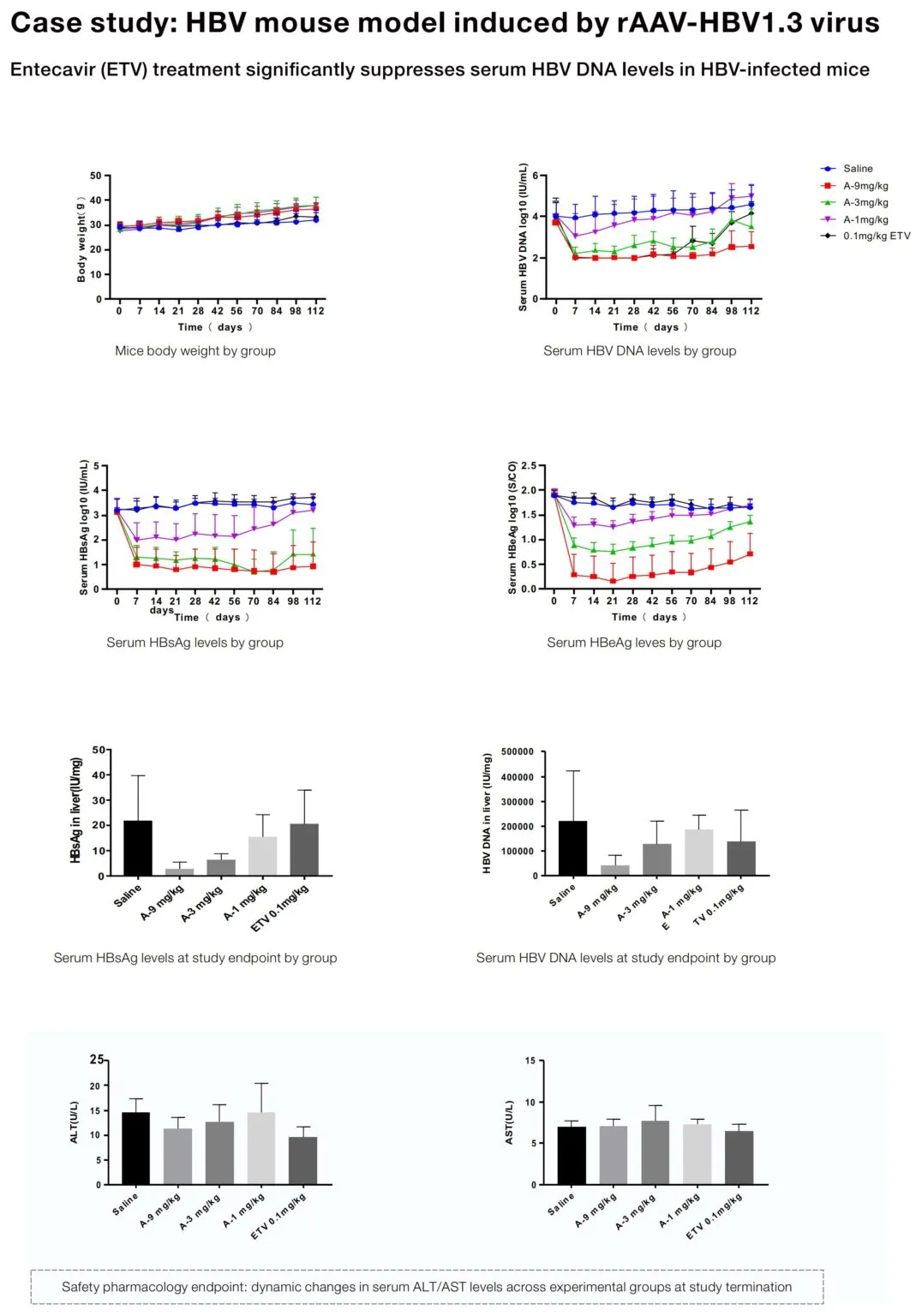
Scientists can use chronic HBV mouse models to assess how different approaches influence model-appropriate endpoints such as serum HBV DNA, HBsAg, HBeAg, liver-associated viral markers, host responses, and histopathological changes., host responses, and infection-related processes. These evaluations can help researchers refine experimental designs and determine which strategies require further investigation.
Compared with simple laboratory systems, in vivo models provide additional biological context. They allow researchers to examine treatment responses within a more complex environment that includes multiple interacting biological factors.
Investigating Functional Cure Approaches
Current HBV research is increasingly focused on achieving functional control of infection rather than only reducing viral activity. This requires a detailed understanding of viral persistence mechanisms and host responses.
Research models can support investigations into approaches designed to influence viral reservoirs, immune activity, and long-term infection control. These studies help scientists explore new concepts related to improving HBV treatment outcomes.
Jennio Biotech recognizes that advanced model systems are valuable for researchers working on next-generation virology strategies. By supporting reliable experimental workflows, we help facilitate studies aimed at expanding scientific understanding of HBV biology.
Improving Translational Value in Virology Research
A major challenge in infectious disease research is connecting laboratory findings with broader biological applications. Appropriate animal models can improve the relevance of research data by providing additional insights into complex infection environments.
Researchers can use these models to compare experimental results, investigate biological mechanisms, and generate information that supports future studies. Careful model selection is essential for obtaining meaningful and reproducible research outcomes.
For organizations involved in biotechnology and pharmaceutical research, selecting suitable experimental platforms can improve project efficiency. Models that closely match research goals allow scientists to focus on answering specific scientific questions.
Supporting New Directions in HBV Research
As virology technologies continue to develop, HBV research is expanding into areas such as molecular analysis, immune-based approaches, and advanced therapeutic exploration. Reliable infection models remain essential for studying these emerging research directions.
Future investigations will likely combine established biological models with innovative analytical technologies. This combination can provide deeper insights into viral mechanisms and support the discovery of improved research strategies.
Jennio Biotech continues to focus on delivering research resources that support scientific progress in virology and life sciences. By providing solutions for complex biological studies, we aim to assist researchers in advancing their understanding of viral infections.
Conclusion
The applications of chronic HBV mouse models extend across multiple areas of virology research, including viral persistence studies, liver pathology analysis, immune investigation, therapeutic evaluation, and translational research, with each application requiring selection of a model that matches the intended biological question and study endpoint.
For scientists studying HBV infection, selecting an appropriate model is a crucial step in designing effective experiments. With continued improvements in biotechnology, these models will remain valuable tools for exploring infection mechanisms and supporting future discoveries in antiviral research.