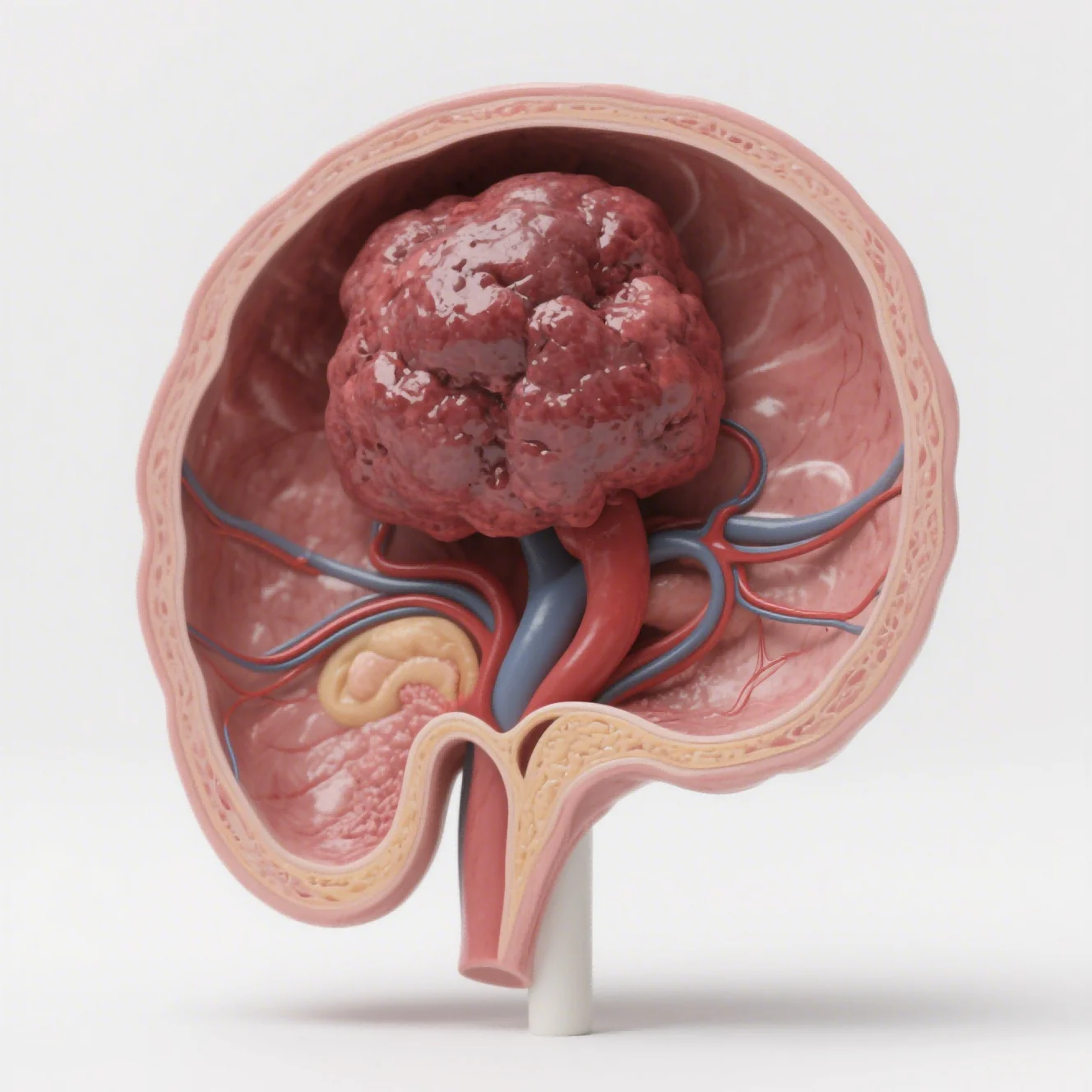
Establishing effective orthotopic tumor models is crucial for advancing cancer research. These models allow for the study of tumor behavior in the microenvironment that mimics human physiology. However, the maintenance of such models requires careful attention to detail to ensure their reliability and reproducibility. At Jennio Biotech, we understand the importance of rigorously maintaining these models to yield accurate preclinical data that can drive therapeutic innovations.
Importance of Tumor Microenvironment
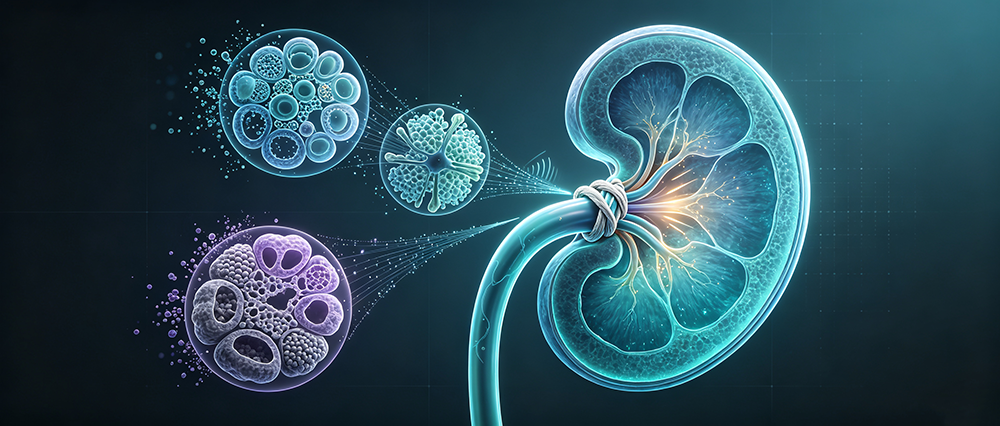
The orthotopic tumor model is distinct in its ability to recreate the natural tumor microenvironment, which is essential for studying the interactions between tumor cells and their surrounding stroma. Maintaining this intricate balance is vital translational research. Factors such as oxygen levels, pH, and nutrient availability significantly influence tumor growth and behavior. To cultivate an optimal microenvironment, tissue culture should closely resemble the native tissue in terms of architecture and biochemical signals. Ensuring that models replicate these conditions leads to better translation of preclinical findings to clinical outcomes. Engaging with the host stroma, including fibroblasts, immune cells, and endothelial cells, is critical for recapitulating the human disease context.
Techniques for Model Optimization
Successful maintenance of orthotopic tumor models hinges on various techniques designed to optimize their functionality. For instance, using specific matrices or scaffolds can influence how tumor cells proliferate and invade. It’s also crucial to monitor the growth and behavior of orthotopic tumors consistently. Implementing advanced in vivo imaging systems, such as MRI and bioluminescence, allows for non-invasive tracking of tumor progression over time. Regular assessments of tumor size, morphology, and vascularization are indicative of model viability and relevance. Standardised surgical techniques and post-operative care protocols are also essential for minimizing variability between animals.
Challenges in Model Maintenance
Despite their essential role in cancer research, maintaining orthotopic tumor models poses certain challenges. Variables such as immune response, tumor heterogeneity, and interactions with host microenvironments can complicate outcomes. Moreover, external factors, including stressors from handling or deviations in housing conditions, can impact model integrity. Addressing these challenges requires diligent monitoring and a comprehensive understanding of tumor biology. Developing robust strategies to minimize these challenges ensures reliable and consistent results. Regular veterinary checks, environmental enrichment, and consistent husbandry practices all contribute to reducing study variability.
Future Directions in Tumor Model Research
Looking ahead, the future of orthotopic tumor models holds exciting possibilities. Advances in bioengineering and personalized medicine are paving the way for even more sophisticated models. Innovative approaches, such as 3D bioprinting and organ-on-chip systems, are set to revolutionize how we create and maintain these models, tailoring them to specific tumor types for improved accuracy. Continuously refining methodologies will enhance the relevance and efficacy of tumor models in preclinical testing. Integration of patient-derived materials and immune-humanized mice offers the potential for even greater clinical translatability.
Conclusion
Maintaining orthotopic tumor models is an essential component of successful cancer research. By focusing on the tumor microenvironment, employing effective optimization strategies, and surmounting common challenges, researchers can ensure these models yield reliable data. As we look to the future, innovations and improvements in this area will undoubtedly lead to more effective treatment strategies. At Jennio Biotech, our orthotopic tumor model platform combines advanced surgical techniques, in vivo imaging, and histopathological evaluation to support researchers in generating high-fidelity preclinical data for cancer drug development. With our SPF-grade facilities and experienced surgical team, we ensure high engraftment rates and reproducible results across studies.