
Inflammatory disorders can arise from very different immune mechanisms, so a single experimental system rarely answers every research question. Inflammation models in mice are valuable because they allow researchers to examine immune-cell behavior, tissue changes, cytokine responses, and therapeutic responses within an intact organism. Their usefulness, however, depends on how closely the selected model matches the biological process under investigation.
Rather than treating inflammation as one uniform condition, researchers can distinguish models according to the trigger, affected tissue, immune pathway, and duration of disease. At Jennio Biotech, we approach in vivo immunology research from this perspective, considering the scientific question first and then matching experimental design to the mechanism being studied.
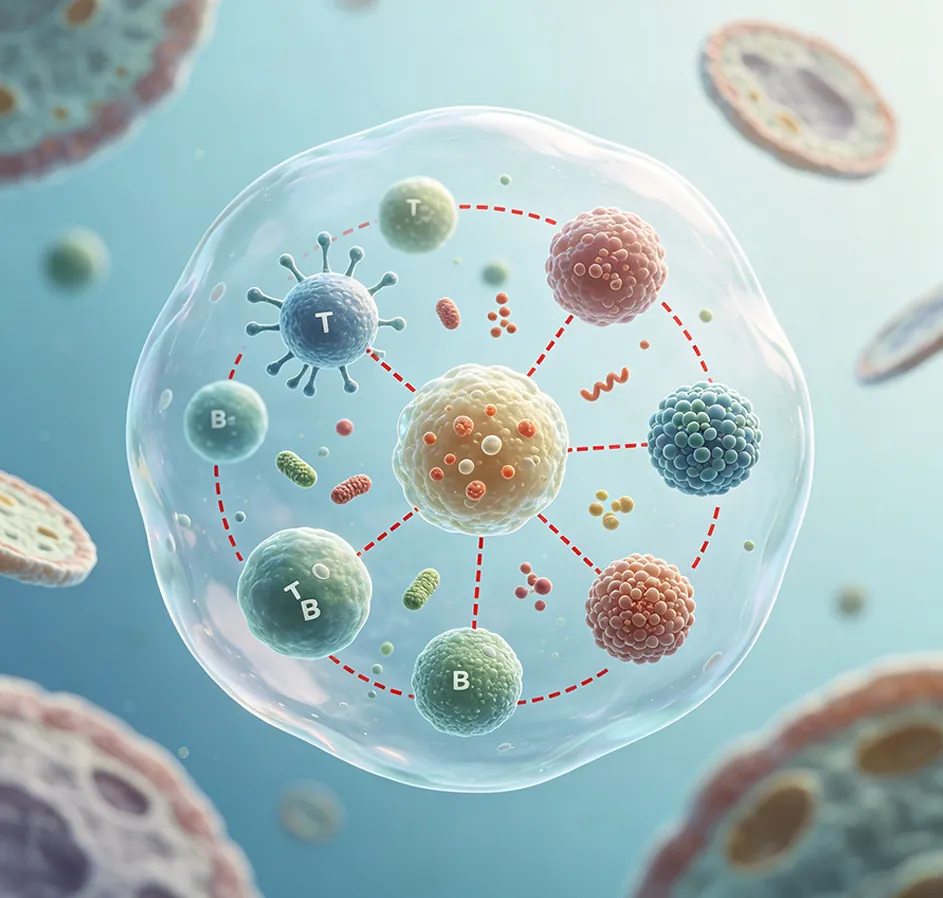
Acute and Chronic Inflammation Models
Acute inflammation develops rapidly after an immune or tissue stimulus and usually involves vascular changes, immune-cell recruitment, and the release of inflammatory mediators. Common experimental models can reproduce short-term responses associated with tissue irritation, infection-like stimuli, or chemically induced injury. Such systems are useful for studying early cytokine responses, neutrophil migration, edema, and the initial effects of anti-inflammatory interventions.
Chronic inflammation presents a different biological challenge. Persistent immune activation may involve macrophages, lymphocytes, fibroblasts, and prolonged cytokine signaling, with tissue remodeling becoming increasingly important. A model that captures only the first hours of inflammation may provide little information about processes that develop over weeks.
The distinction also matters when interpreting drug responses. A compound that suppresses an acute inflammatory signal may not produce comparable efficacy in a chronic setting. Researchers should define the disease phase, expected pathological changes, and appropriate observation period before selecting an experimental system.
Tissue-Specific Models and Their Applications
The affected tissue can substantially alter inflammatory biology. Pulmonary inflammation, intestinal inflammation, arthritis, and skin inflammation involve different anatomical barriers, resident immune populations, and local signaling environments. Consequently, the choice of tissue-specific model should correspond closely with the mechanism being investigated rather than being based solely on the convenience of endpoint measurement.
Respiratory models, for example, can support research into airway inflammation, immune-cell infiltration, mucus production, and changes in pulmonary structure. Intestinal systems may instead focus on epithelial integrity, inflammatory cytokines, immune-cell composition, and pathological alterations within the gastrointestinal tract. Each setting offers a different window into immune-mediated tissue damage.
A useful model also needs measurable endpoints that reflect the disease process. Histopathology can reveal structural changes, while flow cytometry may characterize immune populations. Cytokine assays, molecular analysis, imaging, and tissue-weight measurements can add complementary information, allowing researchers to distinguish systemic responses from local pathology.
Immune Mechanisms Behind Model Selection
Model selection becomes more scientifically grounded when the immune mechanisms relevant to the research question are clearly specified.. Innate immune activation, adaptive immune responses, barrier disruption, autoantibody production, and abnormal cytokine signaling can produce overlapping symptoms while involving distinct mechanisms. Experimental design should account for these differences rather than relying only on visible inflammation.
Some inflammation models in mice are particularly useful for investigating innate immune signaling because they produce rapid changes in inflammatory mediators and myeloid-cell activity. Others are better suited to studying adaptive immunity, where T cells, B cells, antigen presentation, and immune memory become central considerations.
The choice of endpoint should follow the mechanism. Measuring one cytokine may provide useful evidence, but it rarely explains the entire biological response. Combining cellular, molecular, pathological, and functional measurements can help determine whether a treatment modulates immune activation, reduces tissue injury, or both.
Improving In Vivo Study Interpretation
Experimental variability can make inflammatory studies difficult to compare. Differences in animal characteristics, disease induction, sampling time, dosing schedules, and analytical methods may influence the observed phenotype. Standardized procedures and predefined evaluation criteria can improve the comparability and interpretability of data across study groups
At Jennio Biotech, our work with inflammation models in mice can incorporate multidimensional assessment rather than relying on a single efficacy measurement. Depending on the study objective, evaluation may consider pathological changes, immune-cell profiles, inflammatory mediators, and treatment-related responses within the same experimental framework. The emphasis remains on generating data that address a defined biological question rather than adding measurements without a clear purpose.
Interpretation should also distinguish biological variation from technical variation. Appropriate controls, consistent sampling windows, sufficient experimental replication, and transparent endpoint definitions all contribute to more informative results. Such practices are particularly important when findings are being considered for subsequent pharmacological studies.
Connecting Model Choice with Drug Research
Drug evaluation benefits from a model that reflects the intended mechanism of action. An anti-inflammatory compound targeting cytokine signaling, for instance, may require different readouts from an intervention designed to modify immune-cell activation or restore tissue-barrier function. Matching pharmacodynamic measurements with the proposed mechanism and assessing disease-relevant efficacy endpoints gives researchers a stronger basis for interpreting treatment effects.
Another consideration is disease relevance. A model may reproduce one component of human inflammation very well while differing from patients in other respects. Researchers should identify which aspects are represented and which remain outside the model’s scope. This prevents a single experimental result from being interpreted more broadly than the evidence supports.
At Jennio Biotech, we regard model selection as part of the scientific reasoning behind an in vivo study, not simply a procedural step. Inflammation models in mice can provide valuable mechanistic and efficacy data when their biological purpose, endpoints, controls, and interpretation criteria are aligned from the beginning.
Conclusion
Inflammation research becomes more informative when model type, immune mechanism, tissue context, and analytical endpoints are considered together. Acute and chronic models address different aspects of inflammation, while tissue-specific approaches help clarify how local environments shape immune responses.
A carefully selected experimental framework can also make treatment effects easier to interpret without assuming that one model represents every aspect of human disease. With this principle in mind, we at Jennio Biotech use a question-driven approach to in vivo immunology research, helping researchers examine inflammatory biology through models and measurements suited to their specific study objectives.