
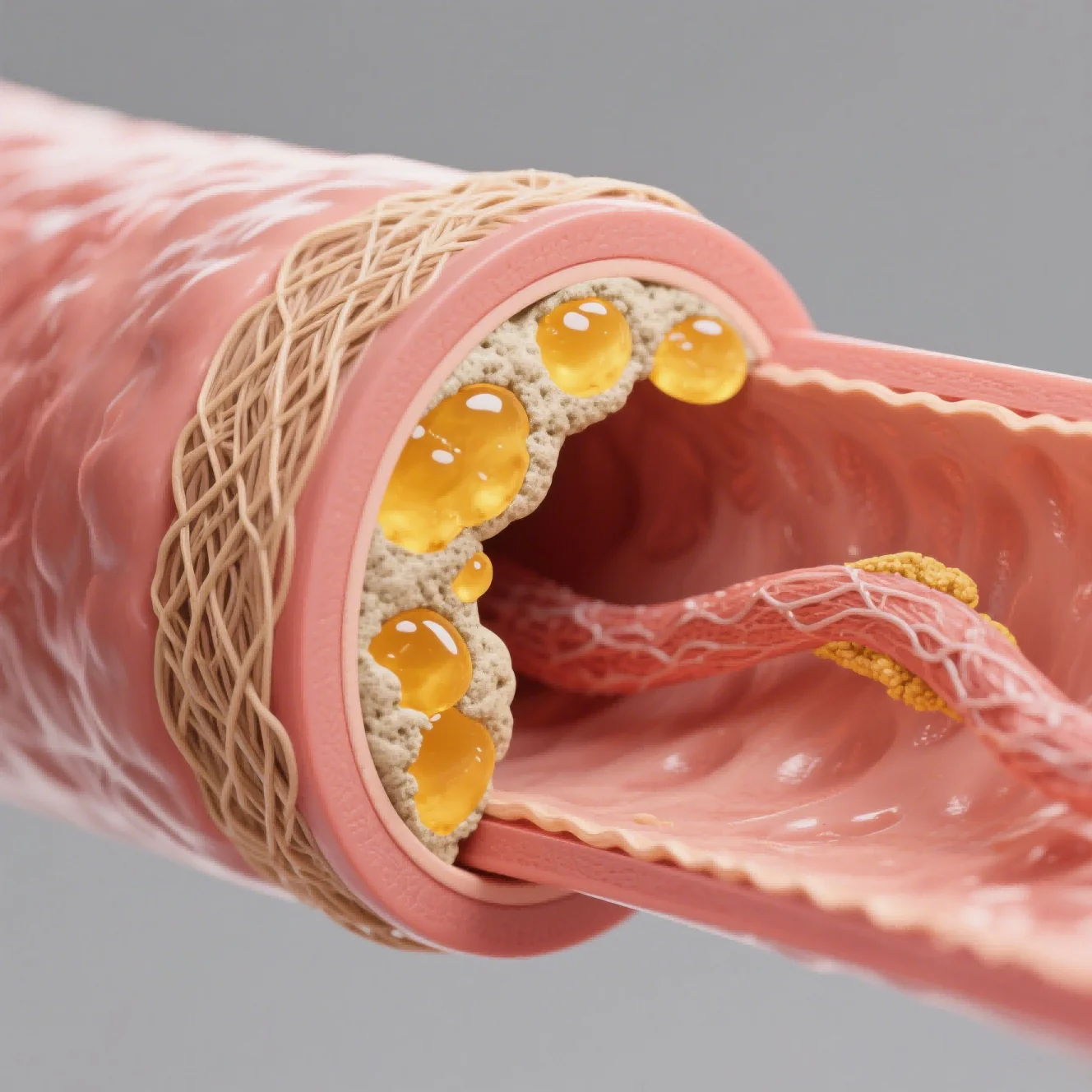
Metabolic diseases are complex conditions that disrupt the body’s ability to process essential nutrients, significantly affecting overall health. These disorders, including diabetes, obesity, fatty liver, hyperlipidemia, and kidney disease, emphasize the importance of understanding metabolic processes and the mechanisms underlying these conditions. In the research community, animal models of metabolic disease play a crucial role in advancing our comprehension of these intricate disorders. At Jennio Biotech, we recognize the vital role that robust animal models play in metabolic disease research.
Diverse Range of Models
The vast landscape of animal models of metabolic disease offers diverse methodologies to mimic human metabolic disorders effectively. Rodent models, such as genetically modified mice, are frequently used due to their physiological similarities to humans and their manageable size, making them ideal for laboratory settings. For instance, the db/db mouse model, which is genetically predisposed to obesity and diabetes, provides invaluable insight into the progression and treatment of these conditions. In addition to rodents, larger animal models like pigs and non-human primates are increasingly utilized, especially in studies requiring metabolic pathways and pharmacodynamics closely aligned with human physiology. By utilizing a mixture of these models, researchers can gather comprehensive data on metabolic diseases and potential intervention strategies. Diet-induced models (such as high-fat diet-fed mice) complement genetic models by better reflecting the environmental contributions to human metabolic diseases.
Insights on Disease Mechanisms
One of the most significant advantages of employing animal models of metabolic disease is the way they facilitate the exploration of pathological mechanisms. These models allow researchers to observe the progression of metabolic diseases in a controlled environment, providing insights into disease onset, symptomatology, and treatment outcomes. For example, the Zucker rat, which displays characteristics of obesity and insulin resistance, serves as an excellent tool for studying leptin signaling pathways and their implications in metabolic syndrome. With the ability to manipulate genetic and environmental factors, researchers can glean valuable information that translates to human conditions, thereby accelerating the understanding of disease mechanisms at play. Key endpoints include glucose tolerance tests, insulin sensitivity indices, lipid profiles, and histological assessment of liver and adipose tissue.
Evaluation of Therapeutic Interventions
The evaluation of potential treatments represents another critical aspect of studying animal models of metabolic disease. These models serve as testing grounds for new drugs, dietary interventions, and lifestyle modifications. Advanced models are leveraged to test the efficacy and safety of therapeutic candidates. For instance, testing hypoglycemic agents in diabetic rodent models has enabled significant advancements in glucose regulation therapies. These models can provide preliminary data on the pharmacological effects of new treatments before human clinical trials, mitigating risks and optimizing therapeutic strategies. By validating treatment efficacy in animal models metabolic disease, researchers can confidently progress to later-stage preclinical candidate selection.. Combination therapies targeting multiple metabolic pathways are increasingly being evaluated using these models.
Conclusion
In conclusion, animal models of metabolic disease are indispensable tools in metabolic research. Their diverse range allows for comprehensive studies that yield insights into disease mechanisms and therapeutic interventions. At Jennio Biotech, we offer a comprehensive portfolio of metabolic disease models – including diet-induced obesity, diabetes, NASH, and hyperlipidemia models – supported by biochemical, histological, and imaging readouts to accelerate preclinical drug discovery. Our models are thoroughly characterized with glucose tolerance tests, insulin sensitivity indices, and lipid profiles to ensure clinically relevant data. Understanding these models not only aids researchers in their studies but also fosters advancements in the field of metabolic disease management.