Blog
We choose between orthotopic and subcutaneous tumor models as required by the balance between throughput and organ-specific biology. We compare orthotopic and subcutaneous tumor models

We choose between orthotopic and subcutaneous tumor models as required by the balance between throughput and organ-specific biology. We compare orthotopic and subcutaneous tumor models
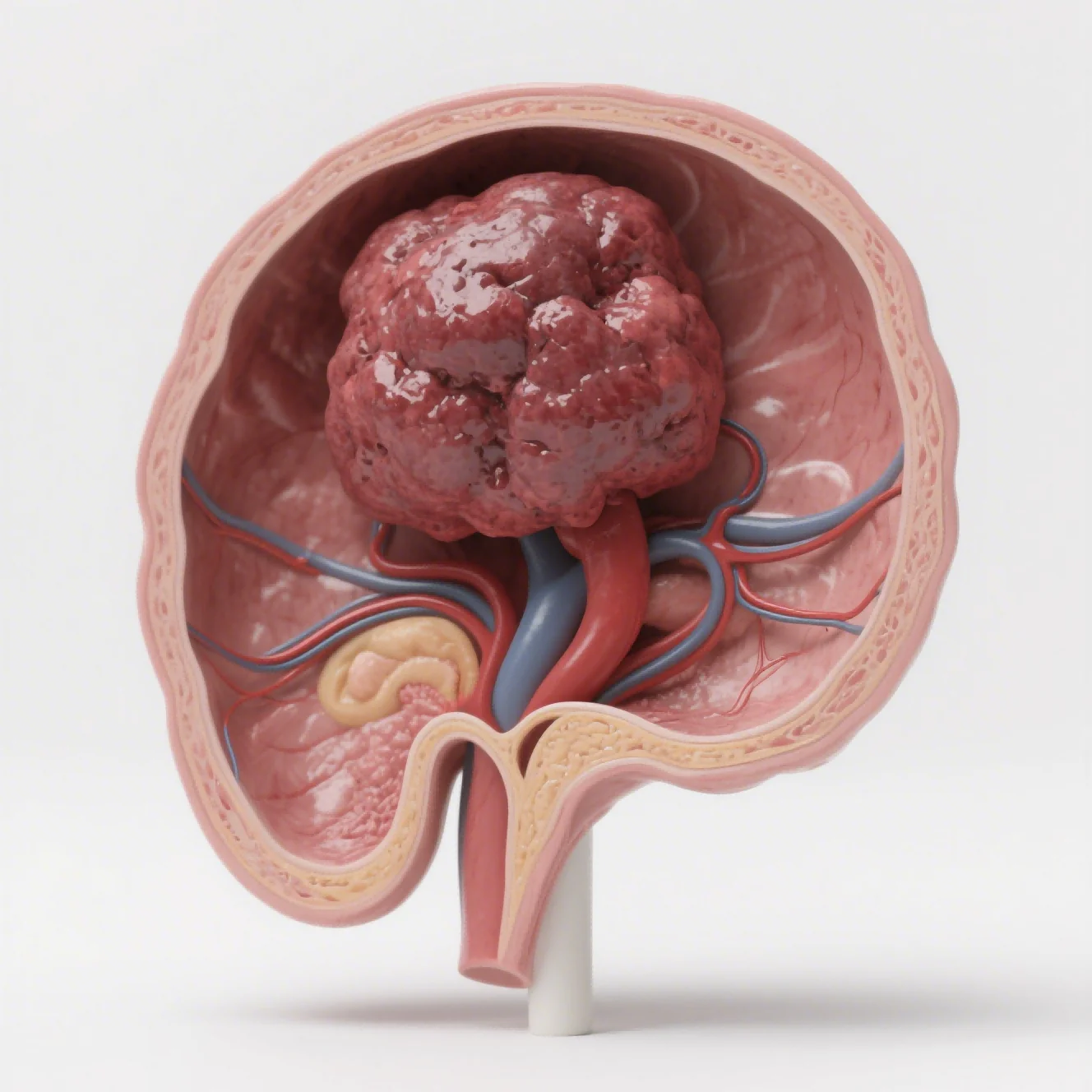
We place tumor cells or tissue in the pancreas when an orthotopic pancreatic tumor model is needed to study organ-relevant growth and spread. The study
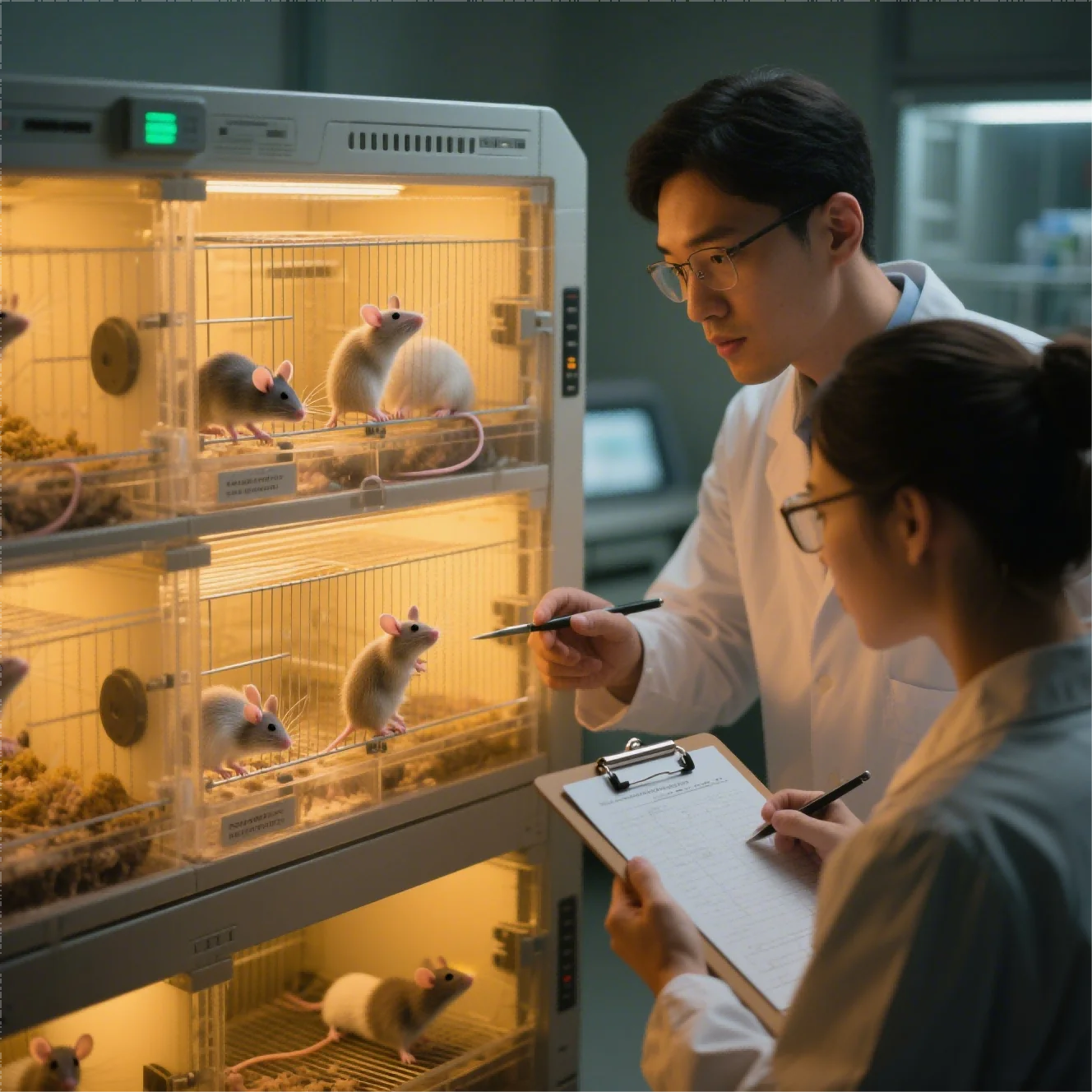
CDX xenograft models help rank candidates, compare doses, and test combinations after in vitro activity has been established. We add broader controls and independent confirmation

CDX services extend from cell-line selection and implantation through dosing, response measurement, tissue analysis, and reporting. The study team organizes that workflow around the tumor
A reliable CDX model provider is distinguished by fully authenticated tumor cell materials, reproducible implantation, controlled monitoring, and reporting depth. The study team evaluates those criteria
We select a preclinical drug evaluation provider based on scientific fit, execution control, and the usefulness of the delivered evidence. Our review of the a
We avoid allowing a familiar assay to substitute for the underlying biological question when we build drug-efficacy platforms. The drug-efficacy platform method plan reflects both scientific

We conduct cell therapy evaluation through an integrated workflow covering product identity, potency, biodistribution, persistence, and safety. The biological question and development stage guide the study

We compare non-GLP toxicology providers through model fit, route capability, analytical depth, and the transparency of uncertainty reporting. When comparing non-GLP toxicology providers, the selection
We protect the value of exploratory toxicology by aligning dose, route, formulation, and sampling with the signal under investigation. For a non-regulatory safety study, we