Blog
Breast cancer research depends on experimental models that can closely represent the biological environment of human tumors. Selecting an appropriate model is essential for evaluating

Breast cancer research depends on experimental models that can closely represent the biological environment of human tumors. Selecting an appropriate model is essential for evaluating
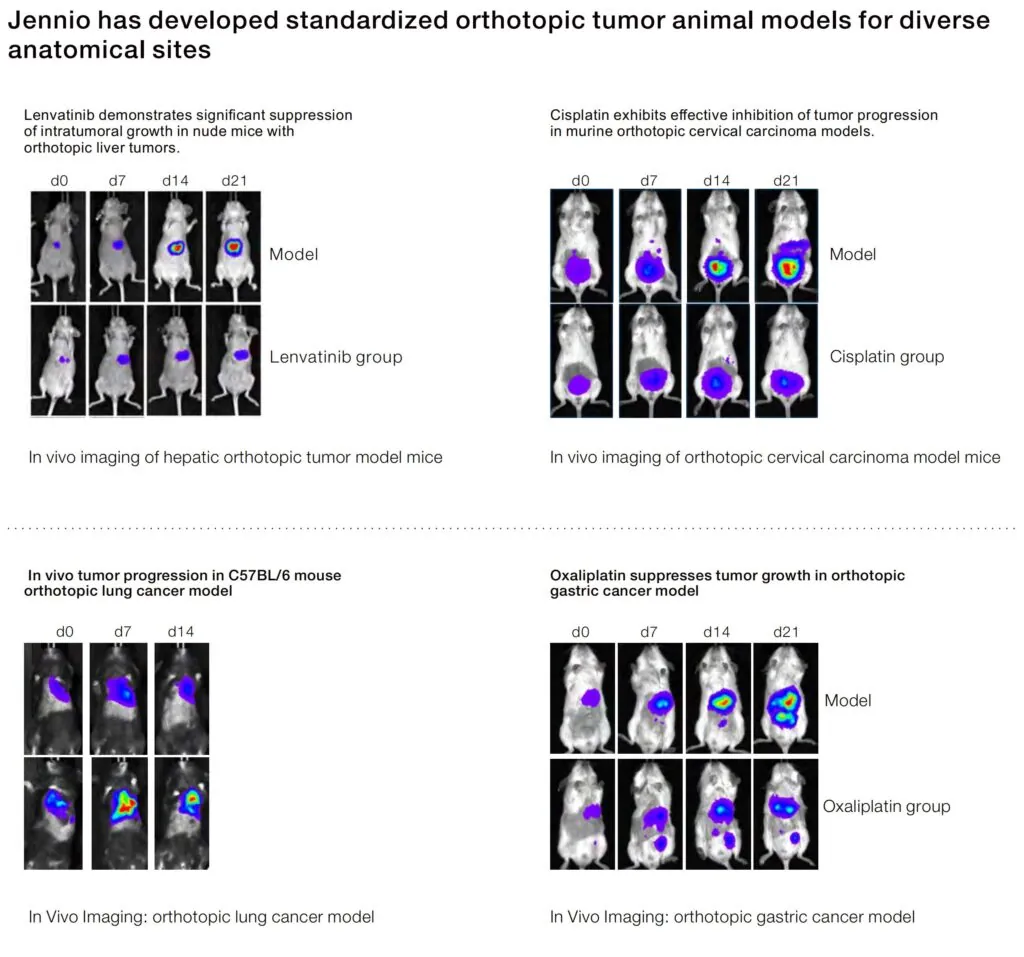
Oncology research relies heavily on experimental systems that help scientists understand tumor biology, evaluate therapeutic candidates, and explore treatment mechanisms. Proper laboratory safety practices are
Cancer research depends on reliable preclinical models that can recapitulate relevant aspects of tumor development and treatment responses. As researchers continue improving therapeutic strategies, traditional models

Selecting the right preclinical model is a critical step in oncology drug development. Researchers need experimental systems that can provide robust, decision-relevant data into tumor growth,
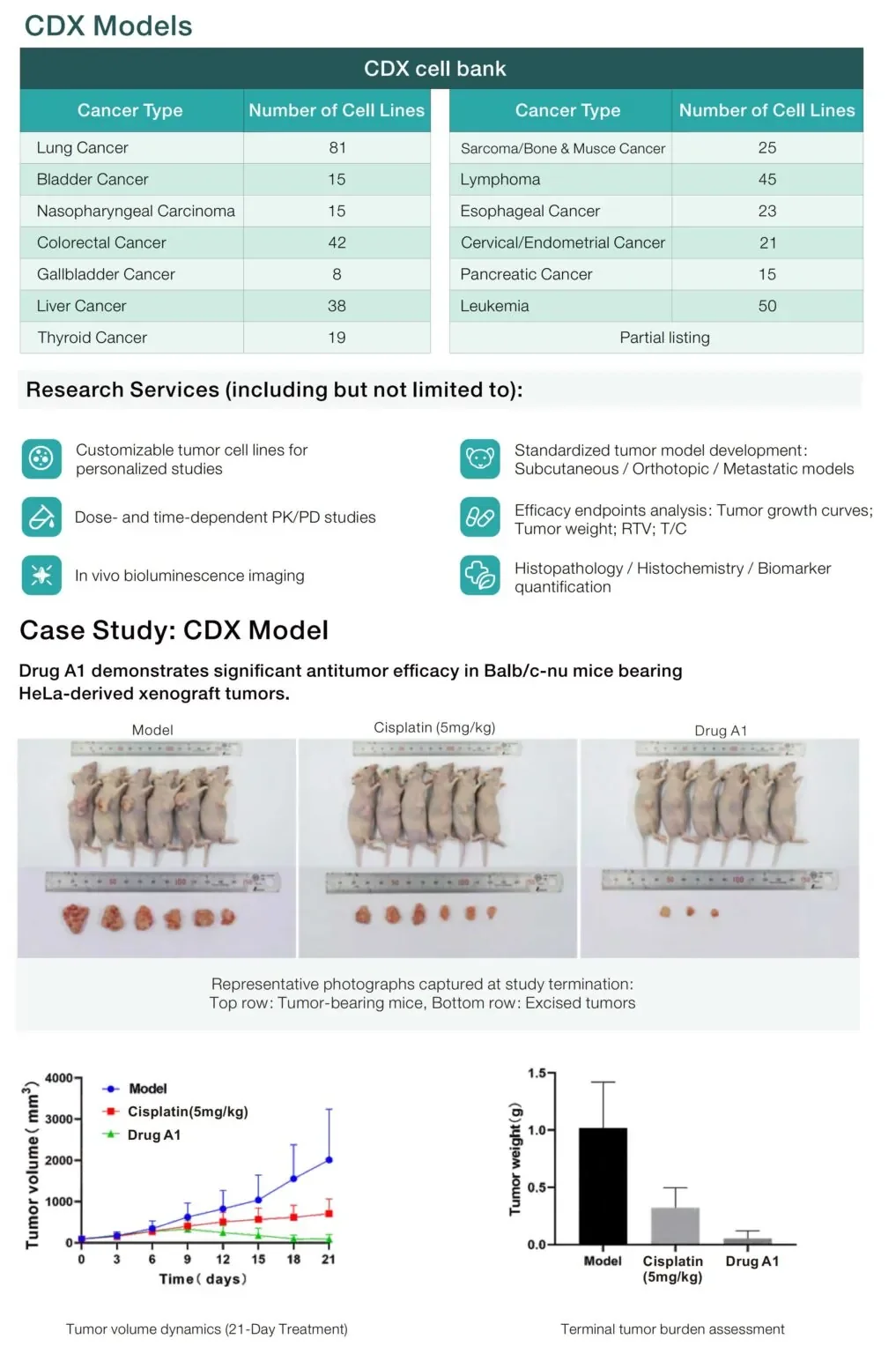
Monitoring tumor progression is a critical step in preclinical cancer research, especially when evaluating therapeutic candidates in animal studies. A well-designed monitoring strategy helps researchers
Developing new cancer therapies requires research models that can provide meaningful biological insights before treatments reach human trials. While cell-based experiments offer valuable information, they
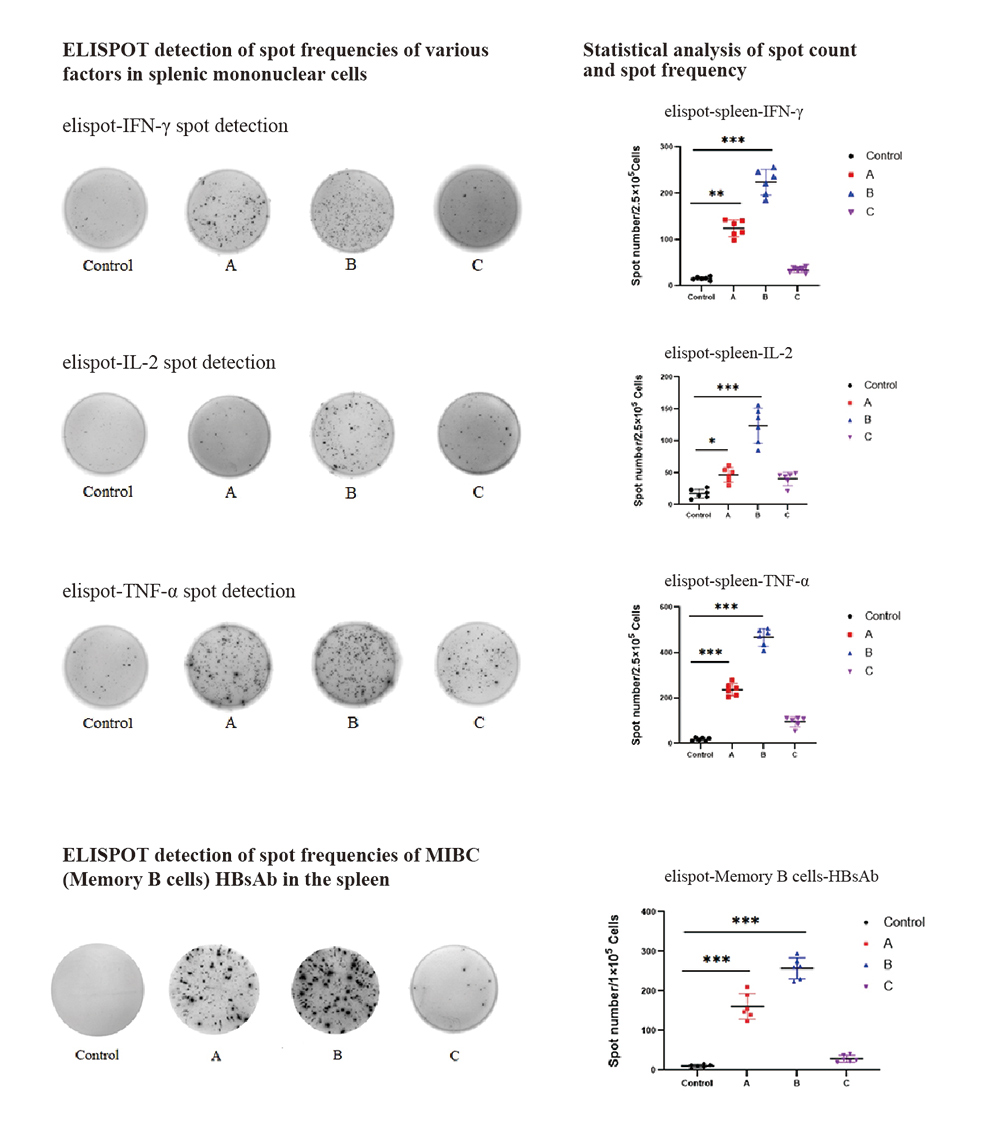
Selecting an appropriate HBV animal model is a critical step in hepatitis B virus research, especially for evaluating antiviral strategies, understanding viral mechanisms, and supporting preclinical
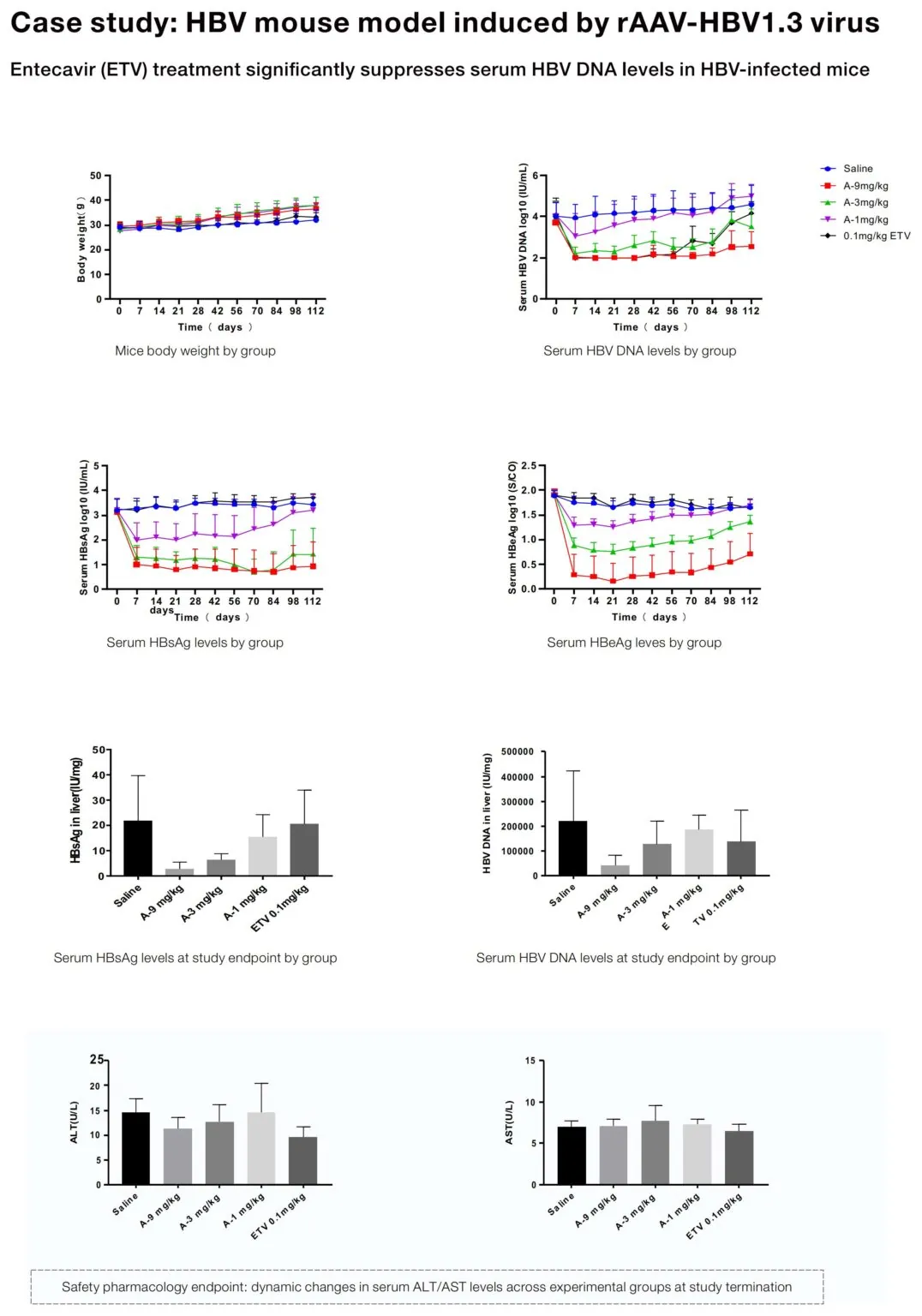
Hepatitis B virus (HBV) remains an important research focus because of its ability to establish persistent infection and cause long-term liver-related complications. Understanding how HBV
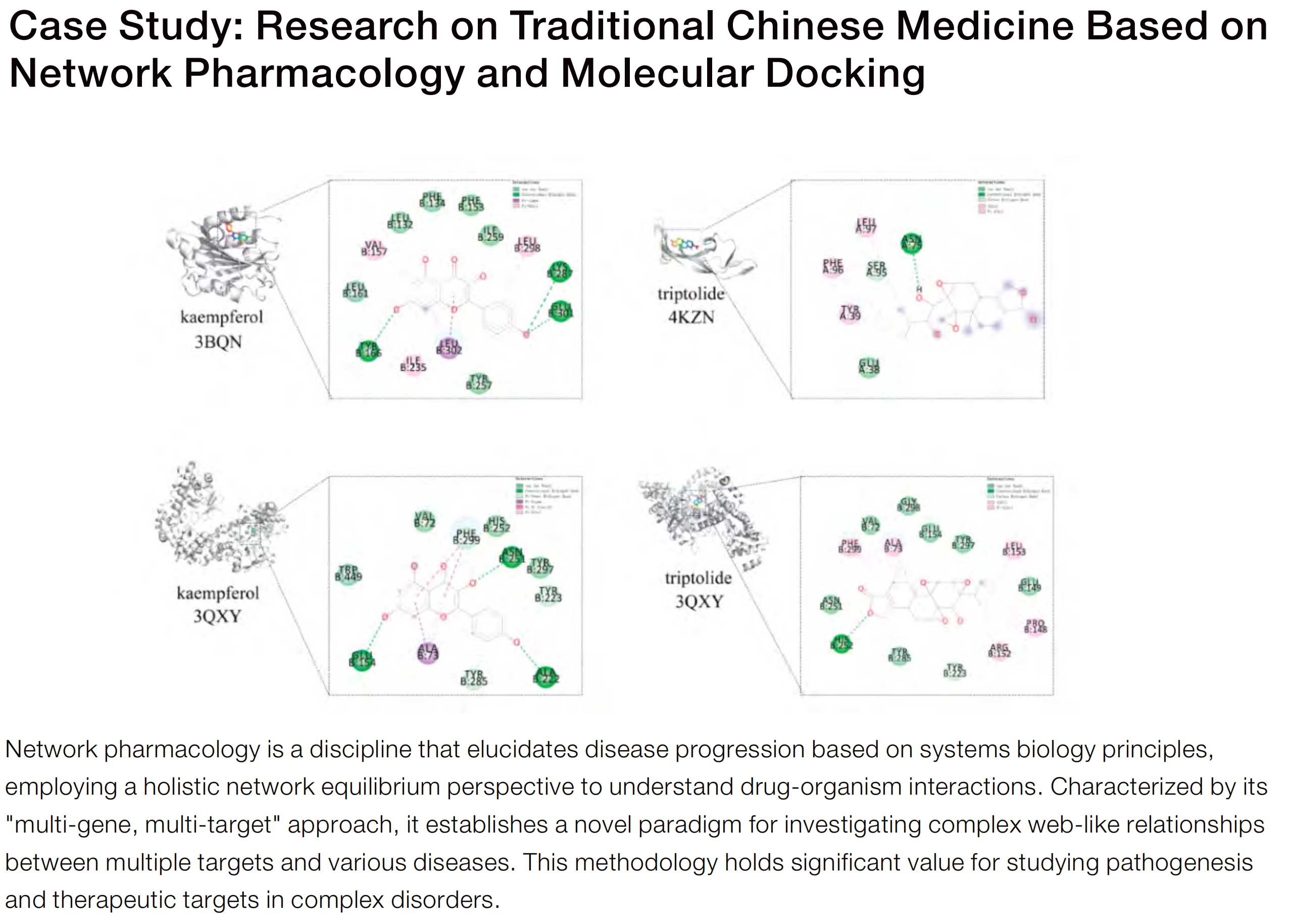
Drug discovery and biotechnology research require careful evaluation before advancing candidates into more complex development stages. Toxicology studies provide important insights into potential toxicity signals, tolerability,

Long-term toxicology studies can help characterize potential toxicity and tolerability findings associated with repeated exposure to drug candidates, biologics, and other research compounds before advancing into